
Introduction: A Future Smile, A Simple Question
Have you ever pictured a world where your smile updates like an app—fast, invisible, and tuned to your life? (I have—and that image drives how I look at orthodontics today.)
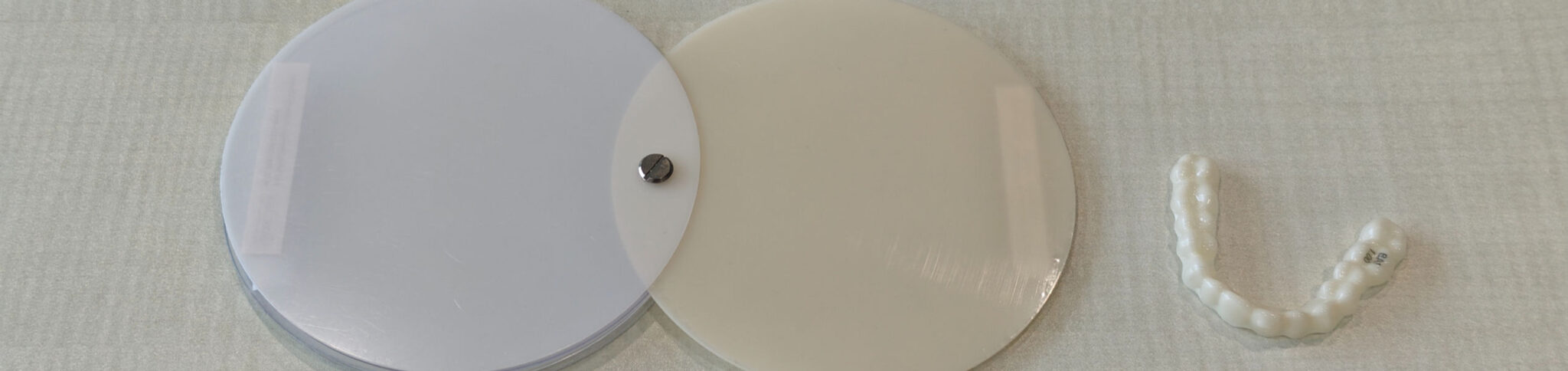
At lulusmiles, we see more patients asking for discreet solutions; demand for clear, removable treatments has jumped noticeably in recent years—roughly half of adults I talk to would choose discretion over metal. So if clear, low-profile care is what people want, why does it still feel confusing, slow, or hit-and-miss? What hidden trade-offs are we not being told about?
Let’s peel that question open and move into a practical look at the problems behind the promise.
Part 2 — Why the Old Fixes Fall Short (Technical Look)
When people first hear about a clear dental aligner, they picture comfort and convenience. I get that: I wanted the same for clients. But the technology and workflow behind aligners hide real limitations. Straight talk: many systems rely on simplified staging and generic force models that don’t respect individual occlusion, which can lead to less predictable tooth movement. In my experience, that unpredictability shows up as relapse, longer treatment, or extra refinement trays—none of which patients enjoy.
Look, it’s simpler than you think—yet the solutions still slip. Here are the trouble spots: inaccurate scans, poor aligner fit, and underpowered biomechanics. Scanning errors (even small ones) cascade into aligner models that misalign forces. Combine that with simplistic aligner staging and you get suboptimal torque or unwanted tipping. Industry terms matter here: CAD/CAM scanning must be precise, aligner staging must consider root movement, and clinicians need to manage malocclusion patterns rather than treating teeth as isolated objects.
So what exactly breaks?
First, passive fit issues—gaps or tightness—change force delivery. Second, ignoring individual jaw relationships (true occlusion) produces compensations elsewhere. Third, one-size-fits-all software defaults can downplay needed attachments or power ridge design. I’ve seen cases where a minor oversight at the scan stage forced a mid-course correction. It’s frustrating for both provider and patient—funny how that works, right?
Part 3 — Looking Forward: Cases, Principles, and How to Choose
Now let’s shift forward. I want to highlight two ways to judge progress: case examples and core principles for future systems. Take a patient with moderate crowding and a mild Class III tendency—what used to mean braces now often begins with a plan that blends aligner staging, attachments, and scheduled refinements. When we treat someone with underbite teeth, the plan changes: we focus on interarch correction and anchorage control early, rather than hoping aligners will “fix it later.” That planning mindset reduces surprises and shortens total treatment time.
What’s next for aligner tech? Better biomechanics modeling, tighter integration between intraoral scans and force simulation, and smarter material science that keeps consistent force over weeks. These improvements will cut refinements and improve outcomes. In practice, I look for workflows that combine clinician oversight with predictive software—machine help, yes, but human judgment first. — I’m convinced that balance is where the best results come from.
Real-World Impact
Summing up, here are three evaluation metrics I recommend when you choose an aligner solution: (1) clinical predictability—measured by percentage of cases needing refinements; (2) scanning and fit fidelity—how closely the produced aligners match the intraoral scan; (3) biomechanical transparency—whether the system explains force vectors and attachment requirements in plain terms. Use those metrics to compare offers and ask direct questions. I do. Patients notice the difference; outcomes improve; stress falls. Choose wisely.
For more on practical choices and realistic expectations, check what we do at lulusmiles—I’ll be here to help you weigh trade-offs, one clear step at a time.