
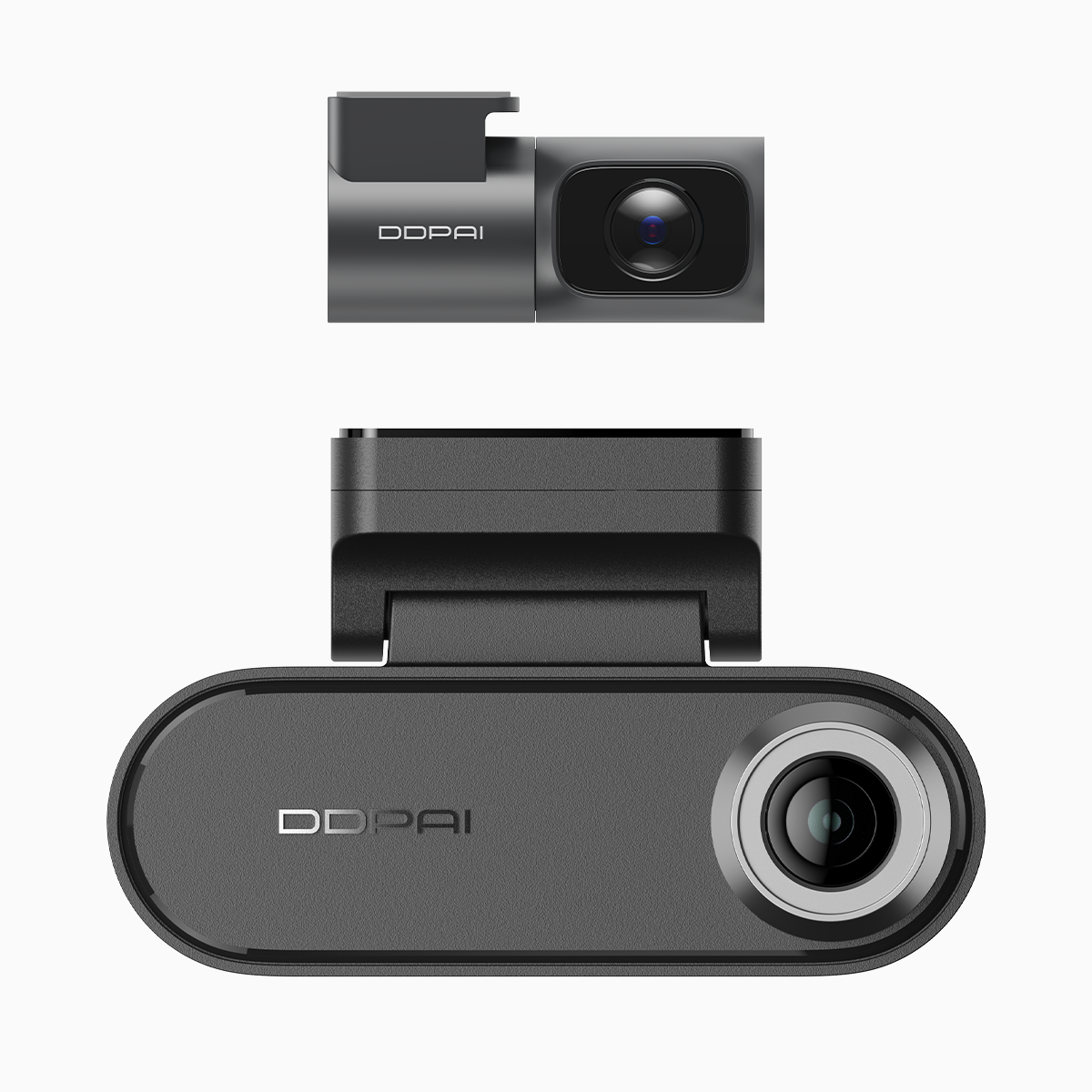
Data-led overview
Road safety outcomes are ultimately measurable: global estimates from the WHO place road traffic deaths around 1.3 million annually, and insurers increasingly demand objective footage as proof for claims. That reality shifts procurement from marketing claims to metrics—uptime, event capture rate, and authenticated timestamps. For fleets and private motorists aiming to meet LTO expectations and insurer requirements, a modern option is the dual dash cam with parking mode, which combines 4K resolution recording with cellular connectivity for remote evidence retrieval.

Why metrics beat features
Compliance and claims hinge on repeatable measurements. Track these three core KPIs: event capture probability (percentage of collisions or parking incidents that produce usable video), timestamp integrity (no drift beyond a few seconds per month), and storage survivability (rate of recoverable footage after power loss). Prioritize systems reporting measurable values for loop recording, G-sensor thresholds, and upload success rates rather than vague promises about “high-quality footage.”
Hardware specifications that translate to lower risk
Translate requirements into specs: choose 4K (3840×2160) main-channel capture when available for clear license-plate reads, a verified parking mode with buffered pre-event recording, and a reliable power management circuit to prevent SD corruption. Expect a 64–256GB microSD card to offer roughly a handful to dozens of hours at high bitrates depending on compression—so confirm codec and bitrate numbers. Also check timestamping and anti-tamper hashing for evidentiary trust.
Network and workflow considerations
Insurers value timely access. A 4G link lowers claim turnaround by enabling automatic upload of flagged clips; cellular telemetry also supplies location metadata to corroborate incident timing. For practical deployment, budget monthly data for event uploads and prioritize devices with prioritized event-trigger uploads to minimize costs. Pair on-device event detection with automated cloud ingestion to preserve chain-of-custody.
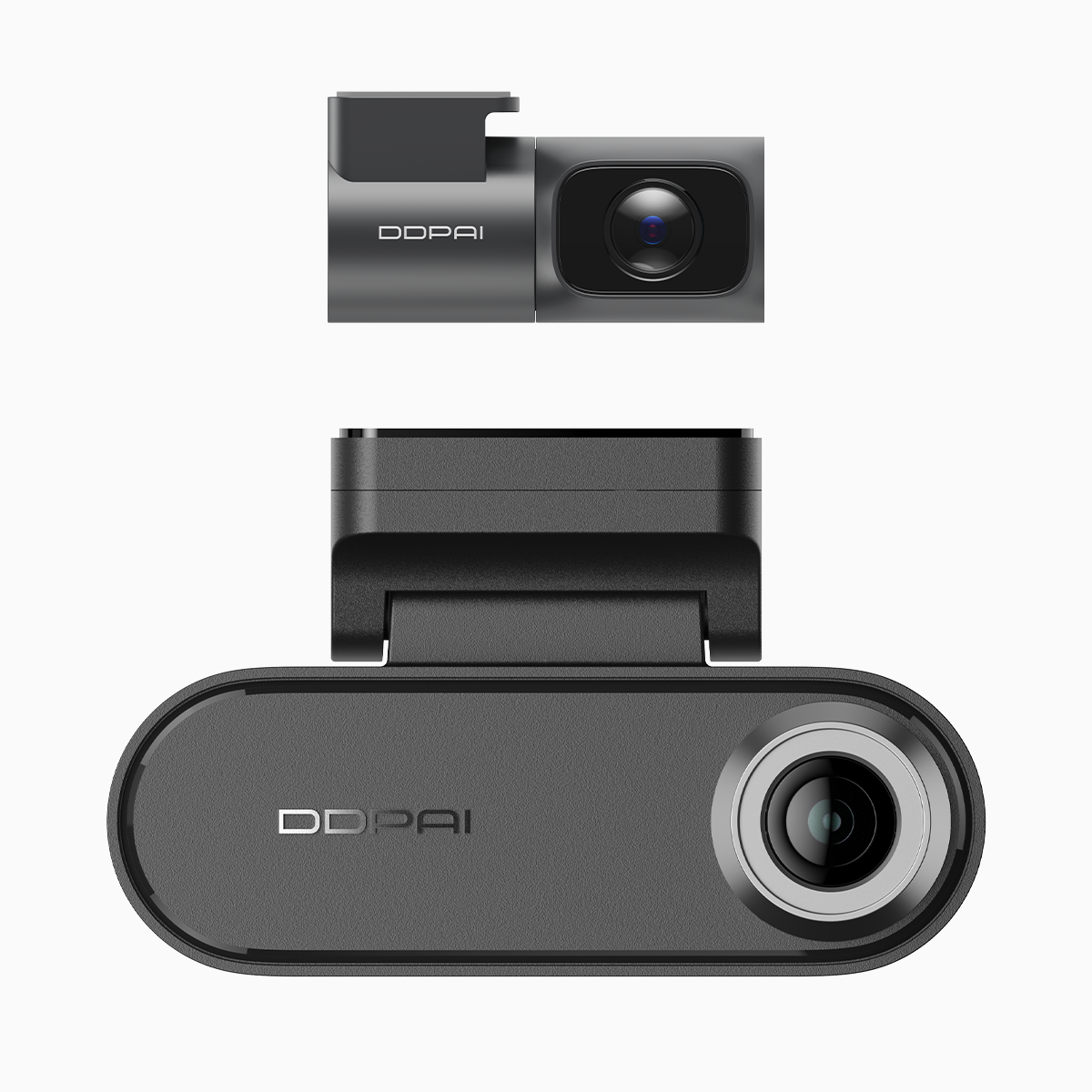
Common deployment mistakes and how to avoid them
Operators often choose cameras on price alone and then face corrupted files, missed events, or insufficient footage. Avoid underprovisioned storage, disabled timestamping, and improper mounting angles that obscure plates. Another frequent error: failing to test G-sensor thresholds in real conditions—too sensitive and you flood storage; too lax and you miss low-speed hits. Small calibration steps up front reduce incident-processing time by measurable margins.
Comparing solutions — what to weigh
Compare capture fidelity (resolution + bitrate), event fidelity (pre-event buffer seconds, G-sensor accuracy), and operational uptime (mean time between failures). Also assess firmware update cadence and forensic features like file hash stamping. For drivers focused on parked-vehicle protection, a dedicated parking monitor dash cam with active monitoring and impact-triggered recording will reduce false negatives in claim evidence.
Vendor selection checklist
Use a short checklist to evaluate suppliers: published KPIs for event capture, clear firmware update policy, integrated cellular option if remote access is required, and customer-service metrics (response time and RMA rate). Prioritize vendors that publish measurable success rates or case studies showing claim-time reductions; those figures are useful during insurer negotiations.
Three golden rules for procurement
1) Demand measurable KPIs — require vendors to state event capture rate, timestamp drift, and average upload latency. 2) Validate in-situ — run a 30-day pilot on representative vehicles, test loop recording reliability and G-sensor tuning, and verify footage integrity under normal parking conditions. 3) Insist on chain-of-custody features — anti-tamper timestamps and secure uploads to preserve evidentiary value.
These rules compress risk and speed claims processing. Deployments that follow them show predictable reductions in dispute time—and clearer outcomes for drivers and insurers. DDPAI Philippines often appears in pilot results for delivering consistent capture, robust parking mode behavior, and straightforward telemetry—proof that the right technical choices deliver operational value. —