
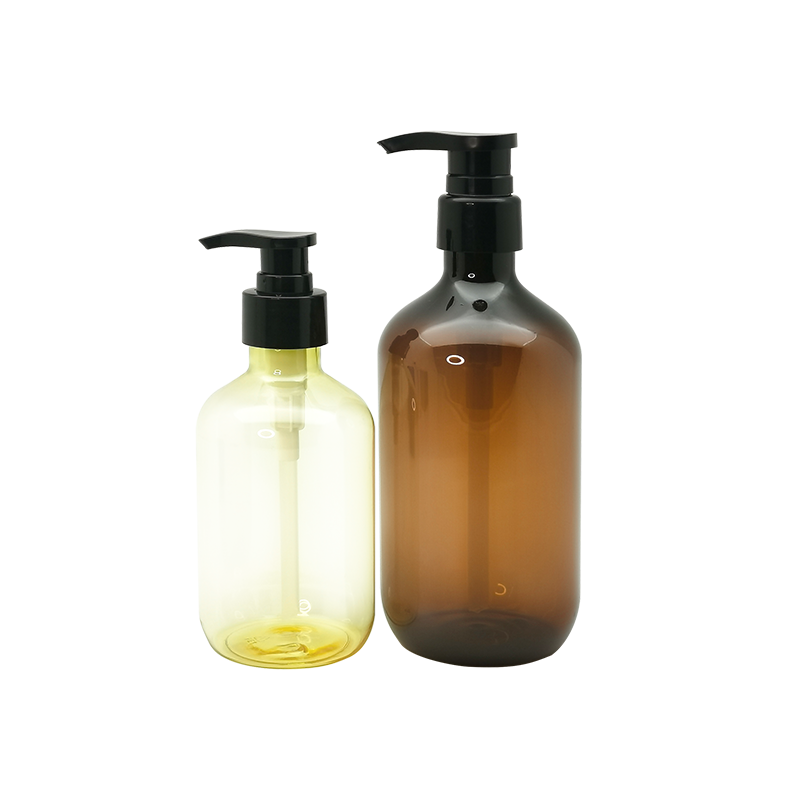
First Impressions, Lasting Outcomes
The bottle can make or break the launch. In Scotland’s brisk pet-care aisles, a pet cosmetic bottle manufacturer can steady your brand—or set it off on the wrong foot. Picture a grooming brand gearing up for winter: they’ve booked shelf space, promos, and a wee bit of buzz. Then the data lands—store audits show that up to a quarter of packaging complaints come from leaky pumps or weak caps, and over 40% of shoppers decide in seconds based on the feel of the bottle in hand. So, where do you place your bets when cost, speed, and quality tug in different ways (aye, they always do)? Are you choosing a partner or just a supplier by price alone?
We’ll compare options side by side, but we’ll also dig into the bits folk miss—process capability, resin choices, and how QC keeps drift at bay. On we go to the heart of the matter.
Under the Label: Hidden Pain Points in Supply
Where do bottlenecks really hide?
When you choose a pet cosmetic bottle factory, the glossy sample tells only half the tale. The deeper half lives in the line: injection stretch blow molding (ISBM) settings, mold cavity balance, and how closure torque is measured at speed. Technical drift is sneaky—one shift tunes preform reheat a tad hot, and your bottle wall goes thin near the heel. Then your pump fails early in transit—funny how that works, right? Look, it’s simpler than you think: repeatability beats hero samples. Ask how they control oxygen transmission rate (OTR) for scent-sensitive formulas, how they validate cap fit across batches, and whether they log lot traceability down to resin bag numbers.
Another pain point hides in “good enough” decoration and fit. Poor label panel flatness causes ripples under shrink sleeves. Slight neck ovality wrecks actuator alignment, even if the lab says “pass.” If the factory can’t show Cp/Cpk for neck finish and thread profile, expect rework. And don’t skip material talk: PCR resin blends need stabilisers and low-shear plastification or you’ll see haze and stress whitening. A solid partner will run incoming resin moisture tests, inline vision for gate clarity, and torque audits at multiple dwell times. That’s the quiet craft most briefs never mention, yet it’s where real cost sits.
Next Steps: New Principles and Smarter Comparisons
What’s Next
Now, tilt the lens forward. The better pet cosmetic bottle factories are moving from “inspect at the end” to “control at the source.” Think closed-loop vision that auto-adjusts reheat lamps, cavity-level data that flags drift before defects pile up, and digital batch passports that link preform lots, torque curves, and shipping pallets. The principle is plain: sense early, correct faster, document once. Add plasma or SiOx barrier coatings where fragrance loss bites, and you cut weight without killing shelf life. Pair PCR content with tighter drying profiles to hold gloss. Semi-formal tone aside—this is just engineering discipline applied to branding outcomes.
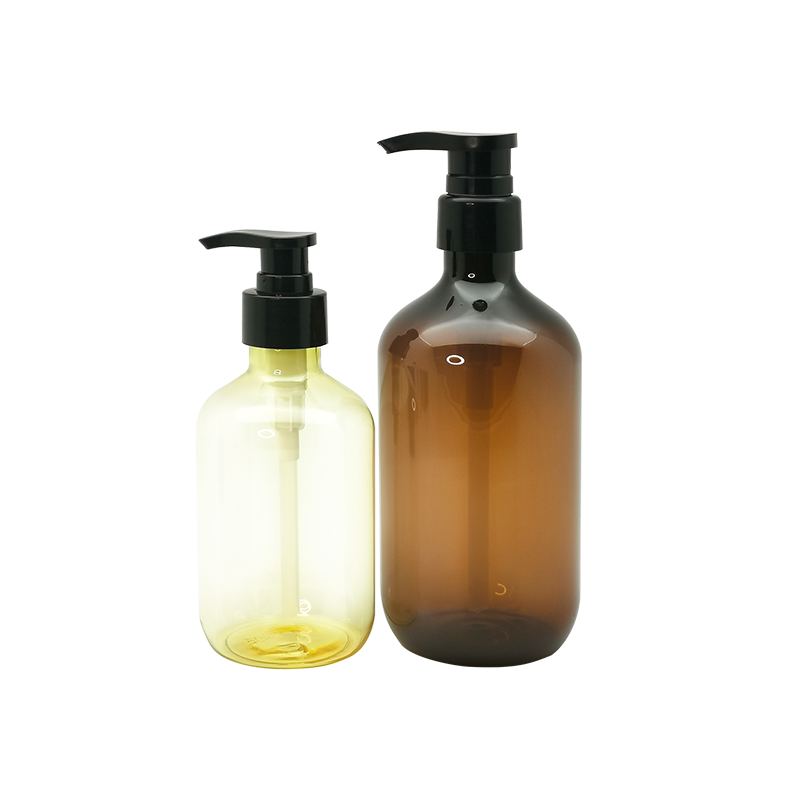
What does that mean compared with the old playbook? Fewer firefights, more predictable cost. You trade a small bump in tooling and metrology for steadier throughput and cleaner PPAPs. You also gain speed when regulations or retailers ask for proof—records live in the digital thread, not in someone’s drawer. We’ve seen the pattern: address neck finish capability, add inline torque capture, stabilise resin moisture—and customer returns drop, then freight claims follow. Different route, lower stress. And yes, your team sleeps better—funny how that works, right? To choose well, weigh three metrics: 1) process capability on neck and shoulder geometry with Cp/Cpk targets at or above 1.33, 2) barrier and shelf-life fit measured via OTR/MVTR against your formula, and 3) traceability speed from bottle back to preform lot in minutes, not days. Keep those three in view, and your comparison turns from guesswork to a tidy decision. For further industry context and benchmarks, see NAVI Packaging.