
Introduction: From City Nights to Calculated Light
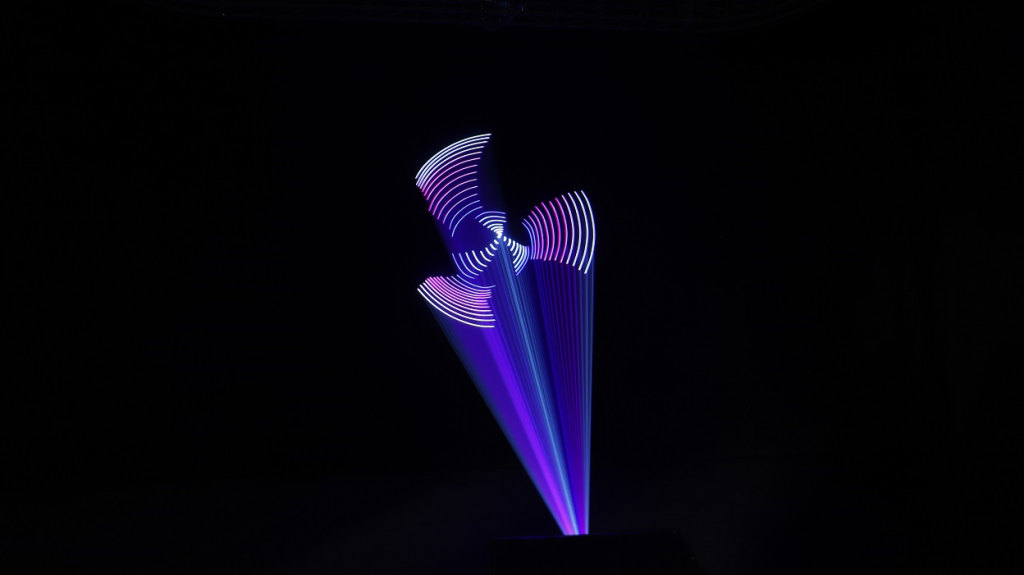
Define the core idea first: a sky-directed beam lives or dies by physics, logistics, and timing. In crowded districts and stadium roofs, the sky laser turns dark air into a visible line; modern sky lasers make that line stable, bright, and safe. In live events, data shows that humidity, aerosols, and wind shear can drain perceived brightness fast, and maintenance gaps add more loss. So how do we compare systems in a way that actually maps to the field (and not just to a spec sheet)? We use what we see, what we can measure, and what we can predict. The aim is simple: consistent beams with fewer surprises, fewer resets, and fewer safety flags. We ask a practical question: which design choices raise reliability without bloating power budgets or crew time? Let us step from hype to method—so we can see what truly matters next.
Hidden Friction Behind the Spectacle
Where do legacy setups fall short?
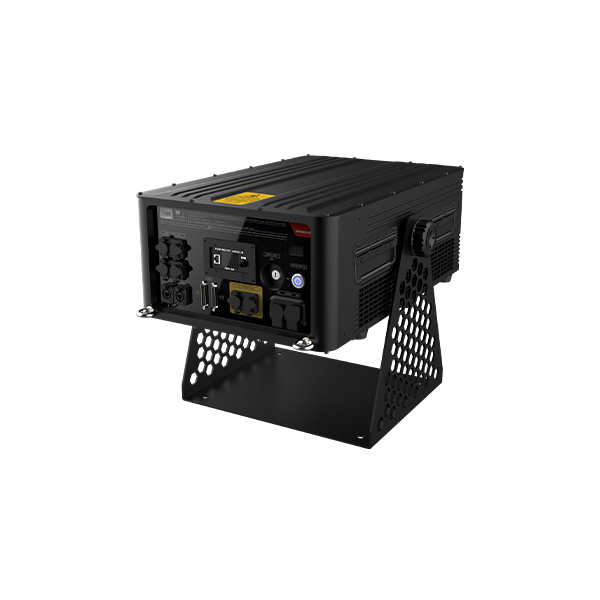
Older rigs look strong on paper, but they hide weak spots. Beam divergence climbs as optics age, so distant beams wash out. Galvanometer scanners drift after long runs, which widens lines and makes mid-air figures wobble. Power converters sag under heat, trimming duty cycle when the crowd is peaking—funny how that works, right? Then come safety interlocks that trip too early or too late, because their logic is fixed and blind to local wind or haze. Look, it’s simpler than you think: when conditions change by the minute, hardware that cannot adapt pushes you to over-spec power to mask control flaws. That drives cost, increases noise, and shortens service intervals.
There is also the human side. Crews get forced into manual re-aims because small mounting shifts compound over hours. DMX-only control adds latency spikes during peak cues. Without edge computing nodes, you lose fast feedback on aerosol density or gusts, so you keep guessing. The result is a loop of chasing brightness with brute force, rather than stabilizing the beam with smarter control. Traditional plans solve yesterday’s weather, not tonight’s. And that is why shows that “look fine” during rehearsal stumble when the streets fill and the air changes.
Comparative Outlook—Principles Shaping the Next Wave
What’s Next
The new picture is not bigger power; it is tighter control. Systems now pair closed-loop galvanometer feedback with adaptive beam shaping, so scan rate and angle remain crisp under heat. Predictive models use local sensors and cloud inputs to maintain luminous intensity while trimming divergence—with less current and less heat. When a unit also behaves like an architectural laser, it uses weather-aware profiles and safety zoning to guard airspace while keeping visuals on cue. Thermal paths matter too: heat pipes and smarter fan curves let optics hold alignment longer, so the beam stays narrow and bright. Older rigs fought chaos; newer ones read it and adjust in milliseconds.
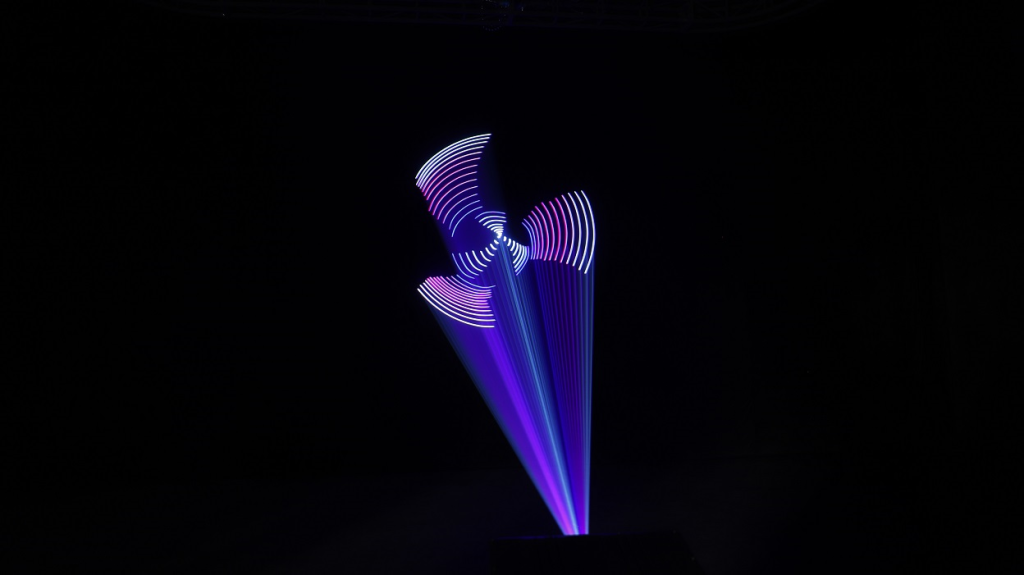
Compare workflows and you see the gap. Legacy: set a safe power ceiling, pray the fog holds, and accept dull frames. Next-gen: measure haze, adjust scan amplitude, modulate power in-phase, and log the cycle for post-show tuning. Edge computing nodes close the loop at the fixture, not the booth. Modular power converters stabilize under load spikes, so the duty cycle stays steady. The trade is clear—less brute wattage, more intelligence and compliance. And the city gets art, not glare—funny how that balances both aesthetics and policy.
Conclusion: Choosing with Clarity
In short, bright outcomes come from control, not just power. To choose well, evaluate three things: 1) Optical effectiveness, as power at aperture versus beam divergence and real-air luminance; 2) Motion fidelity, as galvanometer performance at target angles (with closed-loop feedback and stable scan rate); 3) Operational resilience, as thermal design, MTBF, and safety interlocks that adapt to weather and zones. If a system scores high on these, it will carry your show through crowds, wind, and late nights with fewer resets. Keep the comparison honest, keep the data close, and let the beam do the talking. For builders who want a stable reference point without the noise, see Showven Laser.