
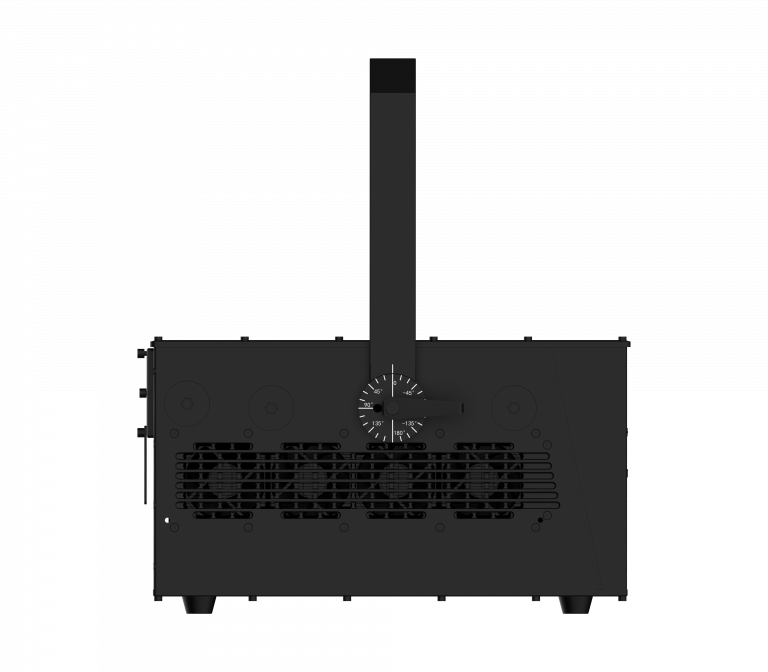
Setting the Stage: Scale vs. Control
Here’s the deal: optimization isn’t about pushing more watts. It’s about precision loops and safe, fast feedback. In big outdoor runs, festival laser lights sit at the center of the visual stack. Picture gates opening at dusk, weather rolling in, and a full rig syncing with timecode while the crowd surges. You’ve got latency budgets, power caps, and safety rules colliding with hype and timing — funny how that works, right? Data says even a 30–50 ms delay in DMX or timecode drift can skew looks and spike operator stress. A single 5 W beam at the wrong angle can break MPE limits and kill the vibe fast. So we ask: can we keep the wow while reducing load? Can we run high-impact looks with fewer errors, fewer restarts, and fewer “why is the scanner clipping?” moments? (Yes, if we design for control loops, not brute force.) Let’s move from raw brightness to smarter flow—step by step.
Hidden Friction Points You Don’t See Until Showtime
What bottlenecks bite first?
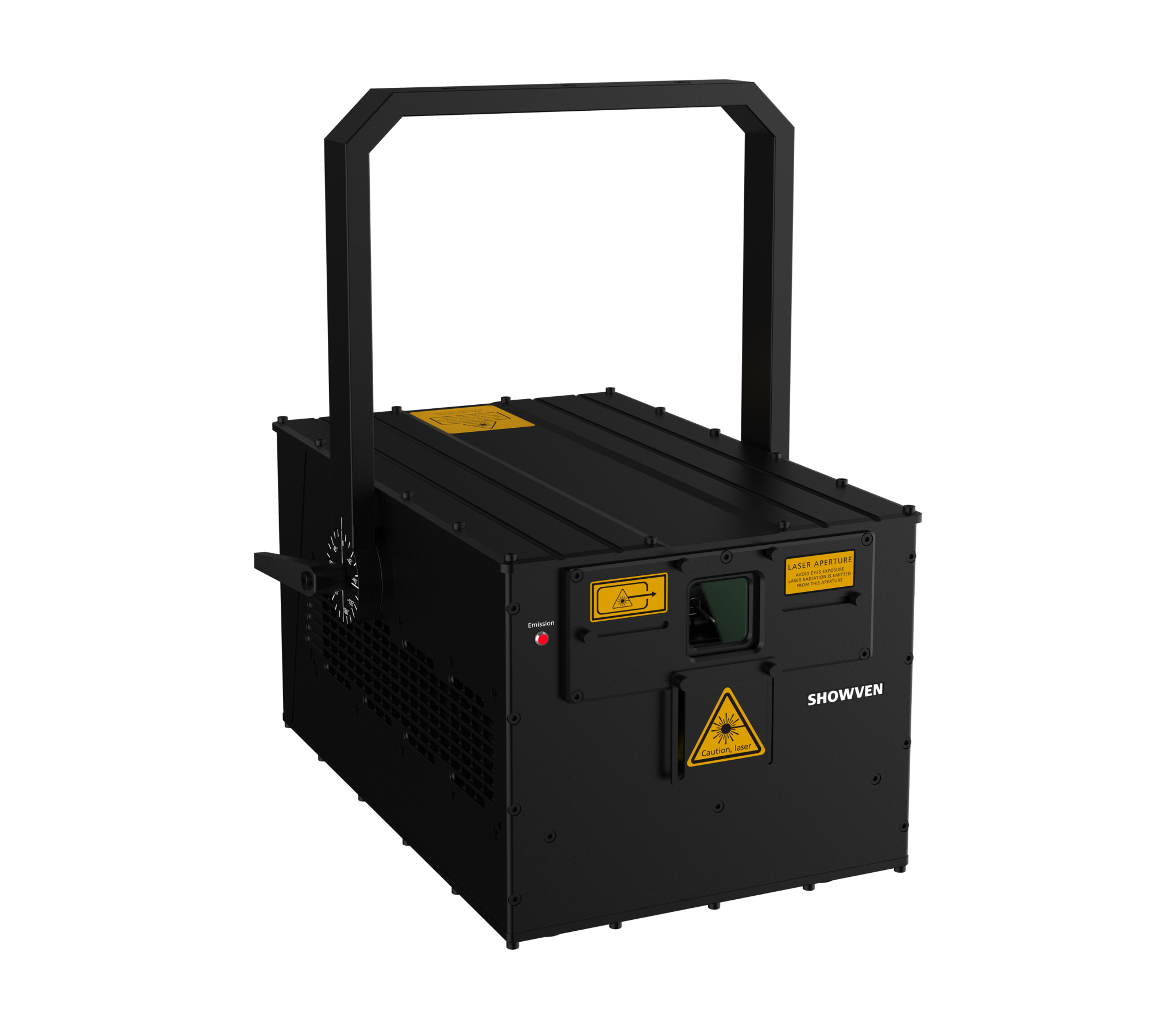
Let’s go direct. The first pain point with event laser lights isn’t beam power. It’s the path between trigger and output. DMX frame rates sag under layered cues. ILDA lines dance when galvanometers heat up. Edge computing nodes fix some jitter, but many rigs still lean on a single console hop. Then there’s beam divergence vs. throw. Too tight, and safety interlocks scream. Too wide, and your looks flatten. Power converters get hot. Duty cycles drop. Now the operator chases symptoms. Look, it’s simpler than you think: if your feedback loop is slow, your show looks late.
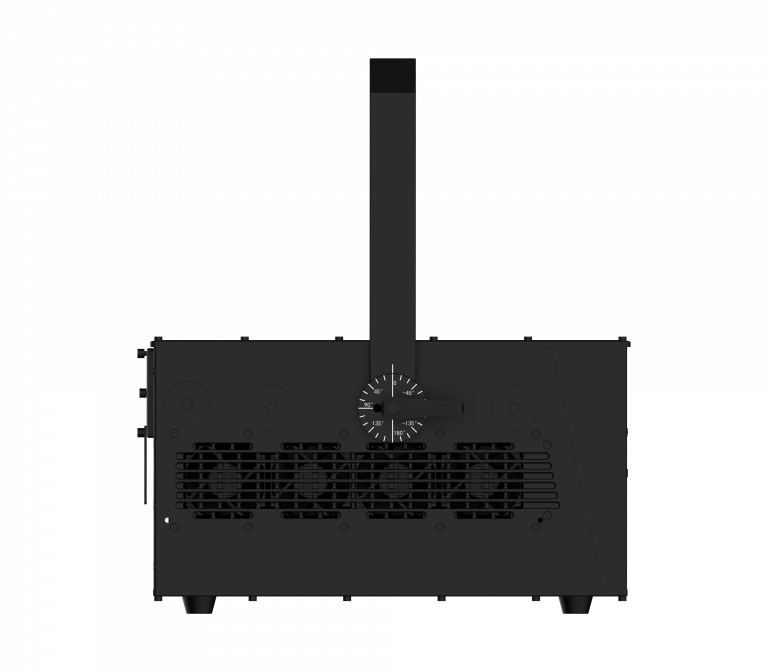
Second pain point: weather and distance. Outdoor haze shifts. Wind eats your aerials. IP65 housings help, but thermal throttling can kick in mid-headliner. That changes scan angles and dwell time. Small errors stack. Safety zones move in the software, but crew placement on the ground lags behind the map. Without good scan-fail detection, a bent mirror or a sticky galvo can turn a clean frame into a hazard. And backup control? If your failover isn’t hot, your reset is slow. The crowd won’t wait. The act won’t stop. Your system has to self-correct in seconds.
What’s Next: Principles and Practical Upgrades
Real-world Impact
Semi-formal take: future-ready rigs solve timing first. Local cue execution near the head — not a mile away at FOH — trims jitter. That means distributed control, better buffering, and smarter fixture firmware. Add predictive thermal curves so scanners don’t surprise you at 10:15 pm. A modern festive laser light projector can pre-scale patterns when heat rises, keeping frames clean. Compare that to old-school “push more power” logic. One blows your safety margins. The other keeps look fidelity. Also key: better beam shaping. Variable divergence and quick aperture control let you balance aerial punch with MPE boundaries. You trade raw intensity for consistent impact — and consistency scales.
Now, apply it. Use onboard diagnostics to watch galvanometer response in real time. Tie scan-fail detection to auto-blackout, not a human scramble. Move small logic tasks — pattern morph, burst timing — to fixture-side processors. That reduces console traffic and wins back milliseconds. Finally, standardize power rails and spec efficient power converters, so voltage sag doesn’t nuke your clean frames. To choose smarter systems, benchmark with three metrics: 1) end-to-end control latency under load (include network hops); 2) thermal stability vs. scan fidelity over a two-hour window; 3) safety automation depth, including zone mapping, soft limits, and recovery time. Do that, and your looks hit on time — and yes, that’s a real win. For reference and deeper specs, see Showven Laser.