
Introduction — a shop floor moment, some numbers, and a question
I was standing beside a conveyor when it stalled mid-shift, and everyone looked at the same box on the control panel. The motor controller was the obvious suspect — we had seen similar trips earlier that month, and maintenance logs showed repeated starts and stops (annoying, costly). Industry chatter and some survey snippets suggest downtime still costs manufacturers measurable hours each week — so what’s really causing it?
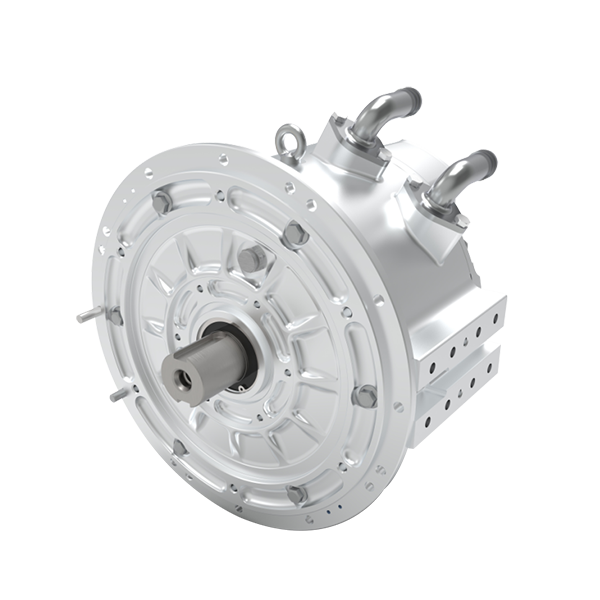
I ask because I’ve worked with teams who swap parts fast but miss the deeper problem. We sometimes treat symptoms instead of fixing control logic or thermal design. How can designers and operators pick controllers that actually reduce trips and extend service life? Let’s move from that shop-floor moment to what I’ve learned works — and what tends to fail next.
Part 2 — Why common motor control solutions fall short
motor control solutions often get sold as drop-in fixes. I’ve seen projects where a controller was chosen because it “matched the spec sheet,” yet within months the system showed overheating, audible torque ripple, or unpredictable speed response. The technical root usually traces back to mismatched inverter topology, poor PWM resolution, or incomplete field-oriented control tuning. These are not just buzzwords — they affect current draw, thermal stress, and component lifetime. Look, it’s simpler than you think: if the drive can’t handle peak current calmly, every start-stop cycle eats away at reliability.
What hidden pains do users actually feel?
Users complain about things that sales sheets ignore. Quietly: extra downtime, long commissioning times, and a lack of diagnostic clarity. I’ve sat through meetings where technicians say, “We can run it, but we can’t explain why it spikes.” That tells me fault reporting and telemetry are weak. Also, many traditional designs assume steady-state loads. When real loads change — heavy acceleration, load swings — controllers with low processing headroom or crude control loops produce torque ripple and oscillation. Those oscillations translate into mechanical wear. It’s frustrating to watch, and honestly, I’ve seen teams chase filters and add hardware (— funny how that works, right?) instead of addressing control strategy. The takeaway: superficial specs hide their limits; you need to probe for control algorithms, sensor resolution, and thermal margins before you buy.
Part 3 — Future outlook: case example and what to evaluate next
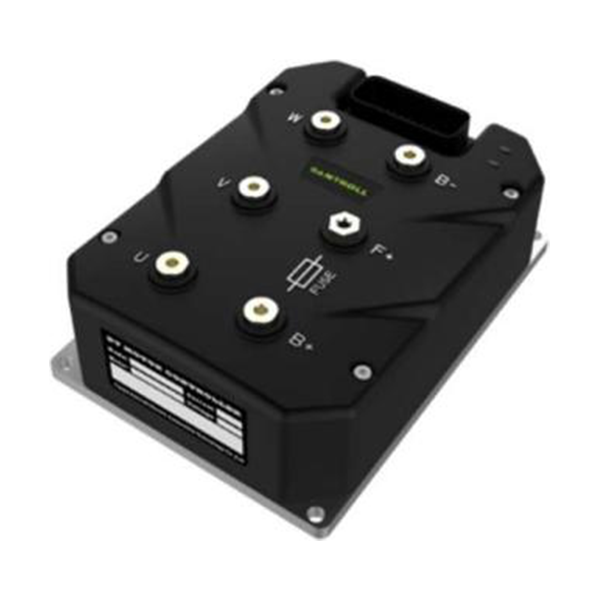
In one recent retrofit I handled, we swapped an older drive for an ac electric motor controller that had better thermal modelling and more flexible control modes. Commissioning time dropped, and the production line regained stability within a week. This wasn’t magic. We adjusted torque limits, refined field-oriented control gains, and enabled richer diagnostics. The result? Fewer trips, clearer fault logs, and a calmer motor — measurable gains in uptime and lower maintenance churn.
What’s Next — tools and metrics to watch
Looking ahead, I expect controllers with smarter sensor fusion, adaptive torque control, and improved inverter efficiency to lead. New systems will give operators actionable telemetry: true RMS current profiles, switching losses, and thermal maps. For anyone choosing a controller, here are three practical evaluation metrics I recommend: 1) Diagnostic depth — can the device report per-phase current, temperature trends, and event history? 2) Control flexibility — does it support advanced modes like FOC and custom torque curves? 3) Thermal headroom — does the spec show continuous vs peak current and give derating curves? Use these, and you’ll see whether a controller is a short-term fix or a long-term solution.
I’ve learned to judge a product by how it behaves after the first 100 hours on the line, not just by the brochure. When you pair plain observation with those three metrics, you cut risk. We’re not predicting miracles here — we’re choosing tools that fit real work. For suppliers that get this right, I give credit where it’s due: Santroll offers options I’ve recommended to clients who wanted predictable, serviceable outcomes.