
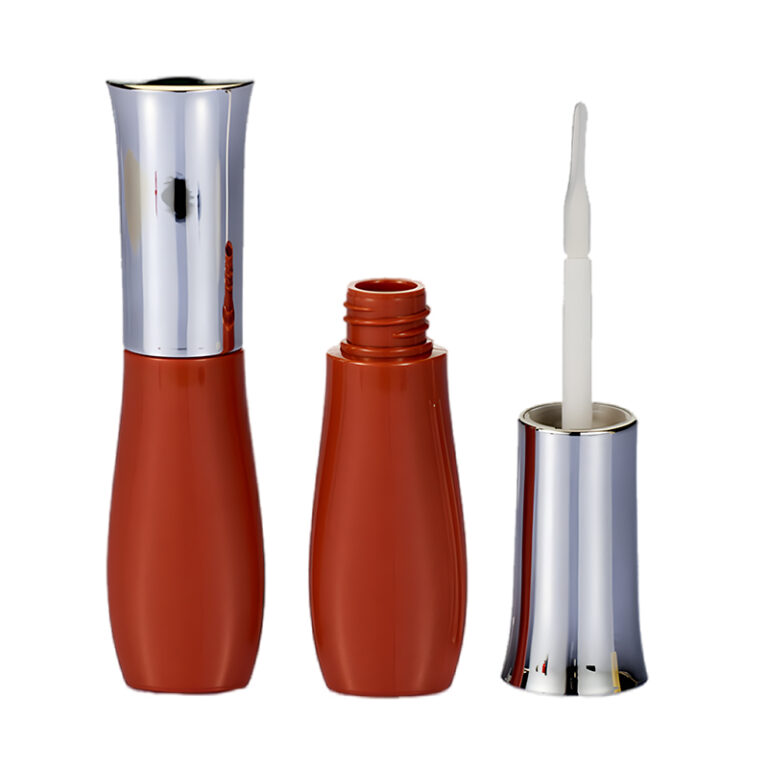
Introduction: A Morning Rush, a Small Tube, a Big Question
You are late for work, your bag is full, and your gloss is somewhere under a wallet and earbuds. You pick up a clear lip gloss tube and wonder if transparency is only about looks. In retail audits and QA notes, a quiet pattern appears: many returns link to leaks, color mismatches, or clumpy wands—issues that sound small but feel big during daily use. So we ask: can a simple change in packaging design reduce waste, save time, and keep hygiene stable? The data points suggest yes, but the human side matters too (how you grip, how you see shade, how fast you reapply).
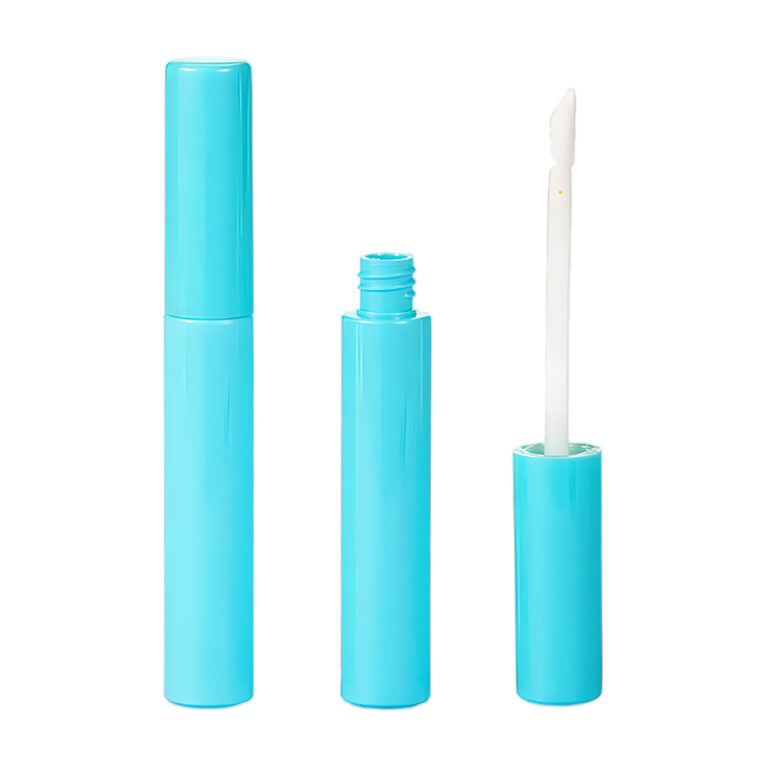
Today, we use a comparative lens to see why the small tube often decides the user experience. We will look past surface “shine” and into function—seal quality, wand control, and refill logic. Let’s move into the specifics now.
Part 2: The Hidden Pain Points Behind a Gloss Wand
Why do little leaks feel so big?
With clear lip gloss wand tubes, the promise is simple: see formula, apply clean, carry safe. Yet the pain points hide in the details most people don’t see. Wiper tolerance can be loose, so excess product pools at the neck. Applicator flocking may trap bacteria if the wiper is not snug, and the viscosity index of the formula decides how it flows back after a swipe. If the cap’s torque is off by a hair, a bag ride can turn into a mess. Look, it’s simpler than you think—but only if each piece is calibrated.
Traditional opaque tubes mask residue buildup, and users cannot track air bubbles or shade drift. That means you fail to spot early signs of oxidation or a damaged wiper. Clear designs reveal oxygen ingress (you can see the bubble trail) and help users check wear without opening. Material choices matter too: PETG and PP respond differently to volatile organics, changing the oxygen transmission rate and scent stability over time. When these micro-factors stack up, they explain the “why” behind leaks, clumps, and uneven payoff. The fix is not only a “better tube.” It is better alignment across the wiper fit, cap torque, and wand surface energy—together.
Part 3: What’s Next—Principles That Make Clear Tubes Smarter
Design is moving from guesswork to measurable control. New wiper geometries use low-friction polymers to reduce shear on the flocking, which keeps the applicator consistent across the bottle’s life. Micro-vent channels control bubble return without sucking in excess air. Laser-etched dose marks (inside the body) help users see when performance shifts. These are not gimmicks; they are principles that stabilize a small system. When you pair them with recyclable resins and improved gasket compounds, you get fewer leaks and more predictable color laydown. And because clear lip gloss tubes show the formula at a glance, users don’t need to open the cap to “check.” Less air exchange, less oxidation—funny how that works, right?
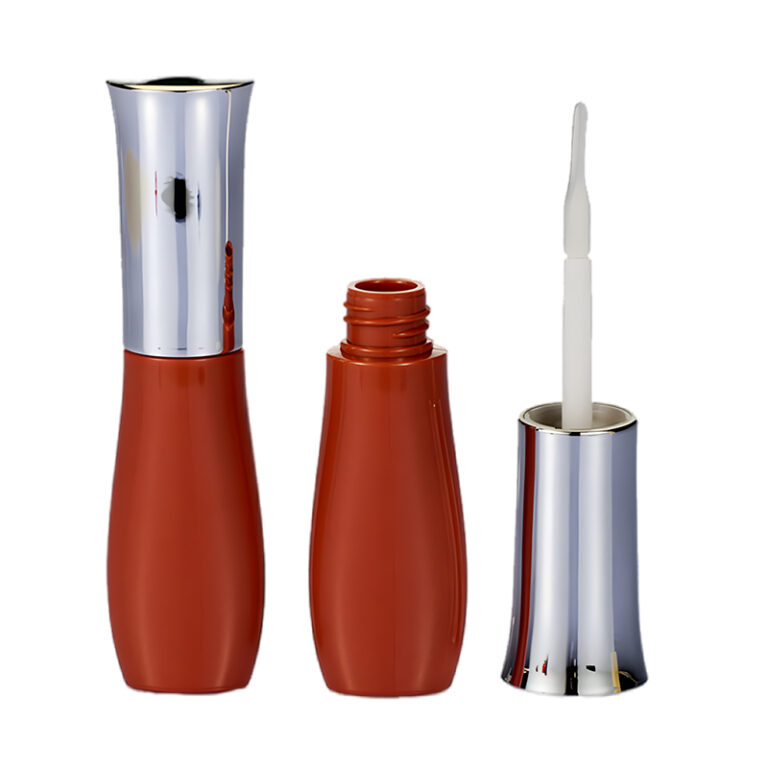
In real teams, the change comes with test protocols. Drop tests validate body integrity. Torque testing locks the closure range. Wiper wear is checked after 500 cycles to confirm glide and hygeine performance (yes, real swipes). A small brand shared this: once they switched to an improved clear body with a tighter wiper spec, returns for “leaky cap” fell by half across one season. Not magic—just tighter control. If you are comparing solutions now, use three metrics: 1) seal integrity under vibration and thermal stress, 2) dose consistency per swipe across 200–500 cycles, and 3) material compatibility for your solvent load and fragrance. Keep the tone steady, test in short loops, and document what the user actually sees in the mirror—because that is the final QA.
For reference and further exploration of component options, see NAVI Packaging.