
Introduction: The Midweight Moment on Two Wheels
Here’s a clean truth: midweight cruising is having its time. A 500cc cruiser is now the practical dream for riders who want style without strain. Many riders eye a 500cc cruiser motorcycle because it hits a sweet spot—enough punch, yet easy to live with. On weekend mornings, the road opens, and the bike hums at low revs (steady, not shouty). Data tells the same story: midweight sales grow across ASEAN and Europe, up by double digits year-on-year, while average curb weight drops and ABS fitment rises near 100%. But if the numbers look good, why do some riders still feel fatigue after an hour, or wrestle with heat near the legs? And why do torque curves feel flat at city speeds, yet jumpy on highways, kan?
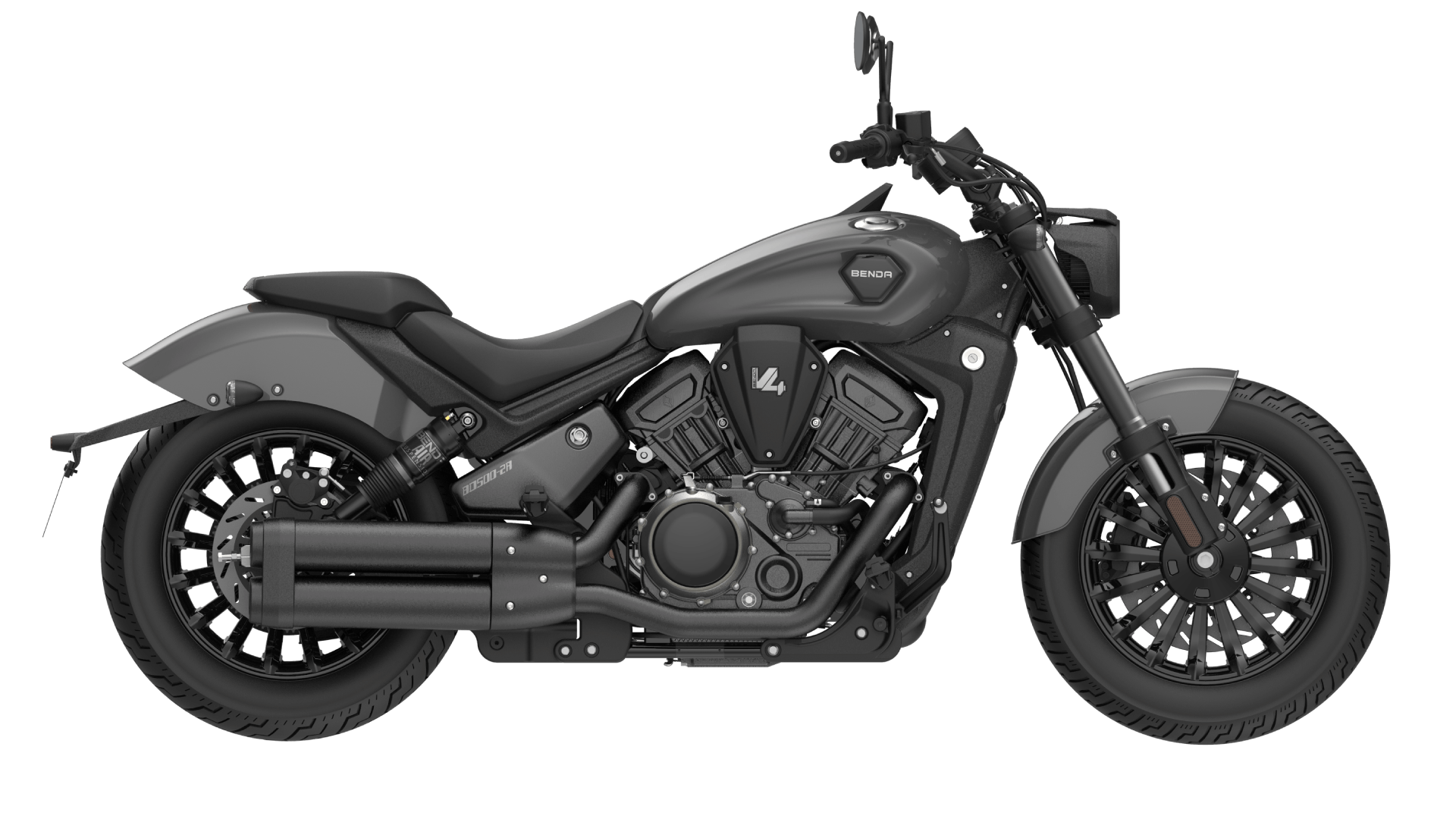
Let’s set up a simple comparison frame and ask better questions. The aim is not hype, lah. It is clarity: how does this class reshape real riding habits—commutes, short tours, and that quick evening lepak—without the old trade-offs? Next, we go deeper into the things that don’t make the brochure, yet matter on the seat. Moving on.
Hidden Pain Points the Market Kept Quiet
Why do midweights still tire you out?
Many riders expect ease, then face small frictions that add up. Heat soak from tight fairings cooks the shins in stop-go traffic. A tall final drive ratio keeps revs low on paper, but causes lugging in the city. NVH creeps in through the bars at 4,000–5,000 rpm, and the seat foam bottoms out on rough B-roads. Look, it’s simpler than you think: these are tuning choices, not destiny. ECU mapping often favors emissions cycles over real-world throttle feel, so low-speed fueling gets choppy. The result? Micro fatigue. You don’t notice at first—funny how that works, right?—but after 50 km, your wrists tell you the story.
There’s more. Accessory power taps run through small power converters that starve heated gear. Cable clutch pull is light at first, then inconsistent as heat rises. The ABS modulator cuts in early on gravel shoulders, so confidence dips when you edge near the line. Riders blame themselves. Not fair. This class should shine in daily use, yet hidden pain points block it. A well-sorted 500cc platform fixes these with balanced gear ratios, revised injector timing, and damping that matches rider weight. The baseline is capable; the polish is what separates a merely okay midweight from a calm, long-ride-ready 500cc cruiser motorcycle.

Next Wave: Tech and Choices That Change the Ride
What’s Next
From here, the conversation moves forward and gets practical. We’ve seen where comfort leaks out; now we compare what’s coming. New bikes in this class are using smarter ECU strategies and better hardware to solve the small frictions. Some systems split control into edge computing nodes across the CAN bus—cluster, ECU, ABS—so response is faster and more consistent. Ride-by-wire can smooth low-speed throttle by blending airflow with injector pulse width. Slipper-and-assist clutches reduce left-hand load in jams. Even simple changes like revised final drive ratio and wider torque curves shift the feel from jittery to composed. And yes, liquid cooling with efficient shrouds cuts heat on the calf—small detail, big relief.
Future outlook? Expect adaptive options without the premium tax. Midweight frames tuned for lower NVH. Seats designed using pressure-mapping, not just foam density guesses. Better power converters for accessories, so USB-C and heated grips don’t flicker. Over-the-air map updates may arrive, even for 500cc cruiser motorcycles, though service-bay flashes are common now—and yes, that surprises many. The point is simple: a midweight cruiser can feel like a larger tourer at steady speed, yet stay nimble in town. Compared to older 300s that buzz or 650s that feel heavy in car parks, a dialed 500 finds the middle. It holds 100–110 km/h at modest rpm, keeps ABS unobtrusive, and leaves room for luggage without turning the bike into a sail. If you want a quick checklist before buying, use three metrics. One: throttle smoothness below 3,000 rpm—no surging when feathering the clutch. Two: vibration at cruising speed—measure by feel at mirrors and pegs after 20 minutes. Three: thermal comfort—test in slow traffic, not just the showroom. Get these right and the rest follows, betul kan?
So the lesson is steady and clear. The category is evolving from spec-sheet bragging to user-centric refinement, from raw output to usable torque, from “big-bike look” to long-ride calm. Choose the platform that treats your hands, knees, and mind with respect, not just your eyes. The name on the tank matters less than the tuning inside, but if you want a place to start your shortlist, have a look at BENDA.