
Introduction — Scene, Numbers, and the Question
Ever watched a pile of parts stack up while the shop’s best lathe just spins and stares? I have — more times than I like to admit. CNC lathe manufacturers I talk with keep throwing me the same line: “We need faster cycles, fewer setups, and better uptime.” (No kidding — sounds simple until you open the control panel.)
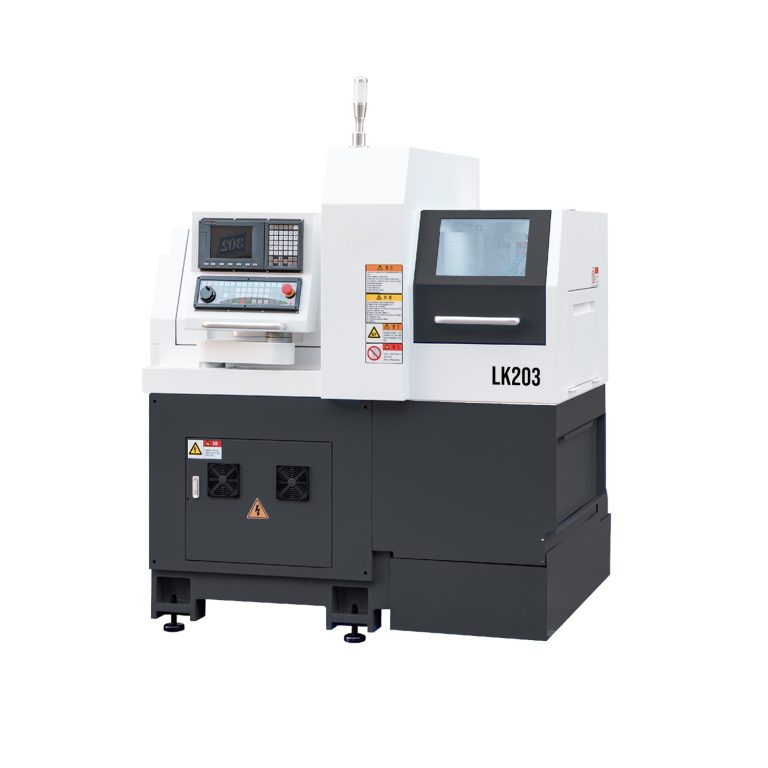
Here’s the kicker: shops that add live tooling often report cycle-time drops of 20–40% on multi-op parts, according to recent shop-floor surveys. But does that translate to steady margin gains, or just a new set of headaches? That’s the real question I want to chew on — and I’ll be blunt: the answers aren’t all sunshine. Spindle speed and servo drives matter, sure, but how they’re integrated changes everything. So—what’s actually working on real floors and what’s smoke and mirrors? Let’s dig into the nuts and bolts next.
Part 2 — Why Traditional Fixes Break Down (Deep Dive on Live Tooling)
When we look at a live tool cnc lathe, I want to cut past the showroom gloss fast. Too many shops buy live tooling as a silver bullet: less index time, one-fixture workflows, perfect alignment. In reality, the trouble starts with setup complexity and control mismatch. A live tool adds torque loads, alters spindle balance, and demands tight servo drive tuning. If your tool turret isn’t balanced or your coolant system is marginal, you’ll see chatter, faster tool wear, and scrapped parts.
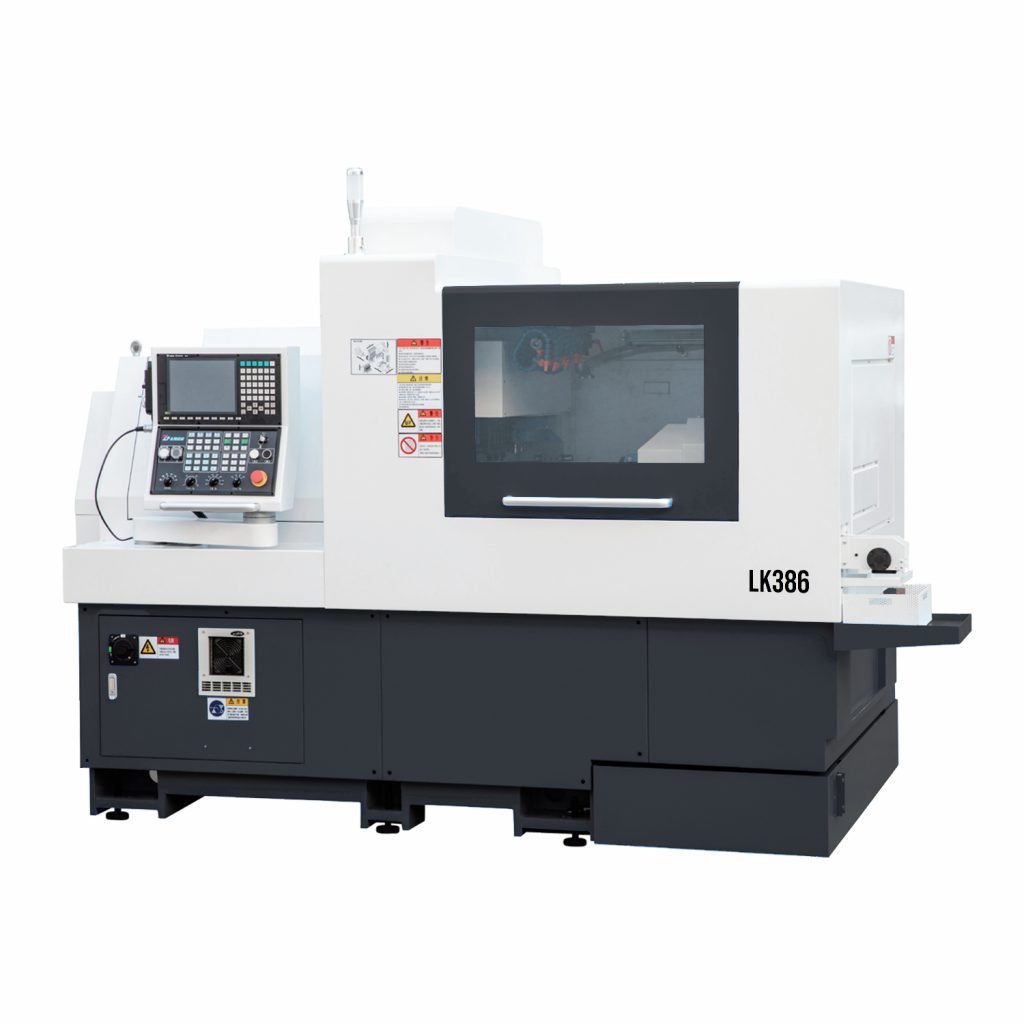
What’s actually failing?
First, people underestimate process control. The CNC controller has to juggle more axes and maintain feed while the live tool spins a different axis — that’s not trivial. Second, tooling standards and holders vary; mis-matched HSK or boring-bar interfaces create runout. Third, maintenance gets neglected: more bearings, more seals, more power converters in play. Look, it’s simpler than you think to get it wrong — and when that happens, the “gain” evaporates into rework and lost shifts. I’ve seen shops add live tools and still lose overall throughput because they didn’t plan for thermal drift or balance issues.
Part 3 — New Tech Principles and How to Choose Your Path
Moving forward, I focus on principles rather than hype. New live-tool integrations should follow three rules: predictable dynamics, layered control (local drives + central CNC), and measurable KPIs. When I talk with cnc lathe suppliers, I ask how they validate spindle dynamics and what telemetry they expose — real-time vibration data or basic alarms makes a big difference. Edge computing nodes can offload analytics, letting operators spot degrading bearings before a crash. It’s not rocket science, but you need systems thinking.
What’s Next — Practical Steps
Here’s how I would evaluate options. First, demand baseline tests: run your worst part before and after live-tool install under real loads. Second, insist on training tied to your fault modes — not generic classes. Third, verify integration: does the CNC controller handle synchronous offsets and live-tool torque compensation? If a supplier glosses over these, walk away — funny how that works, right? Also — check service SLAs. Rapid access to parts and firmware patches cuts downtime fast.
To wrap up, don’t buy tools because they’re shiny. Measure spindle stability, tool-holder runout, and the control stack’s telemetry. My three quick evaluation metrics: 1) validated cycle-time gain on your parts, 2) measurable reduction in setups or part touches, and 3) clear maintenance/load data (vibration, torque, temp). Use those, and you’ll pick solutions that actually move the needle. If you want a partner who tests and stands behind integration, take a look at Leichman — I’m partial because they focus on the real work, not just specs.