
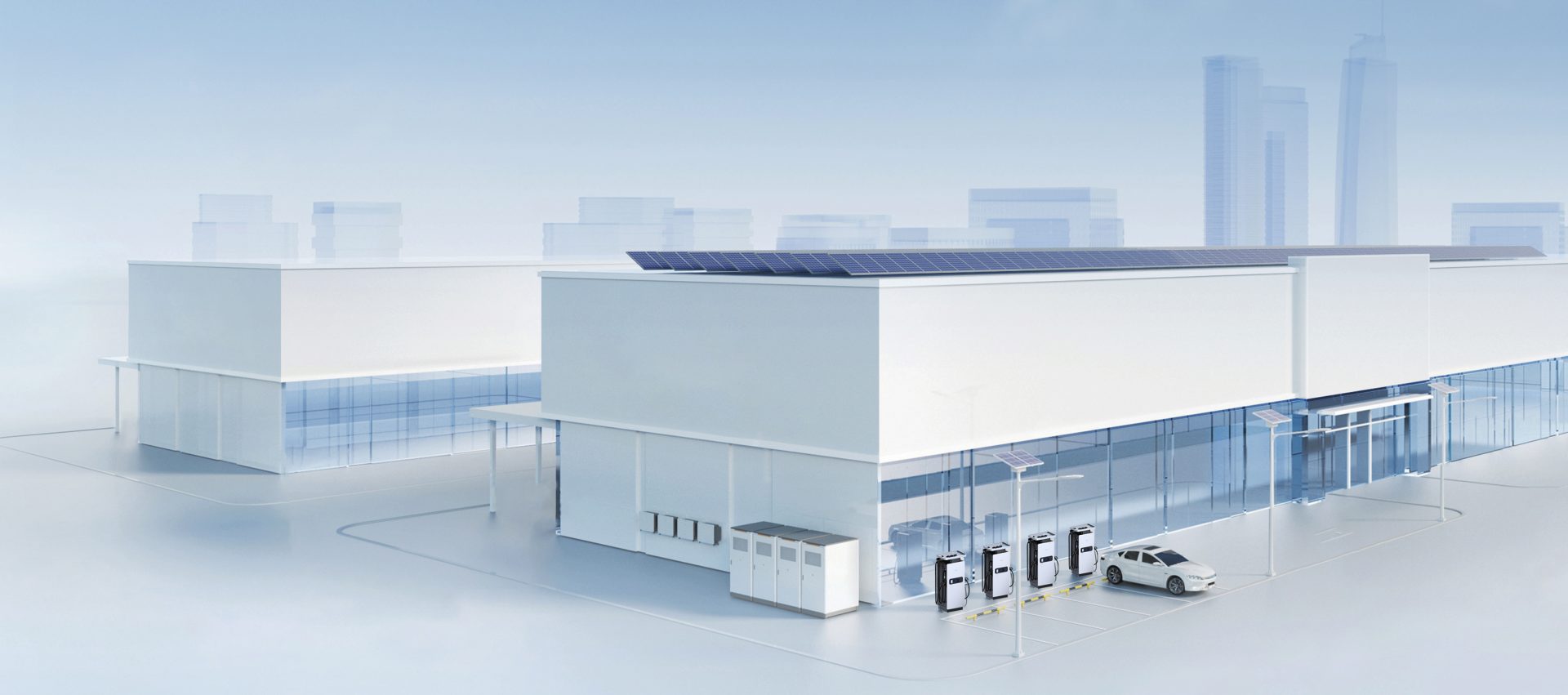
Real-world problems and where traditional fixes fail
I remember standing on a corrugated metal roof in Santiago, watching a 250 kW PV array drip after a storm—install day was December 2019 and the client lost production the first rainy week; how do you insure uptime when the panels and roof disagree? That client worked with C&I Solar to scope solutions that would actually survive real weather and business rhythms. I’ve written a lot about the commercial solar system choice, and I speak from over 15 years doing on-site design, procurement, and commissioning for warehouses and hotels across Latin America.
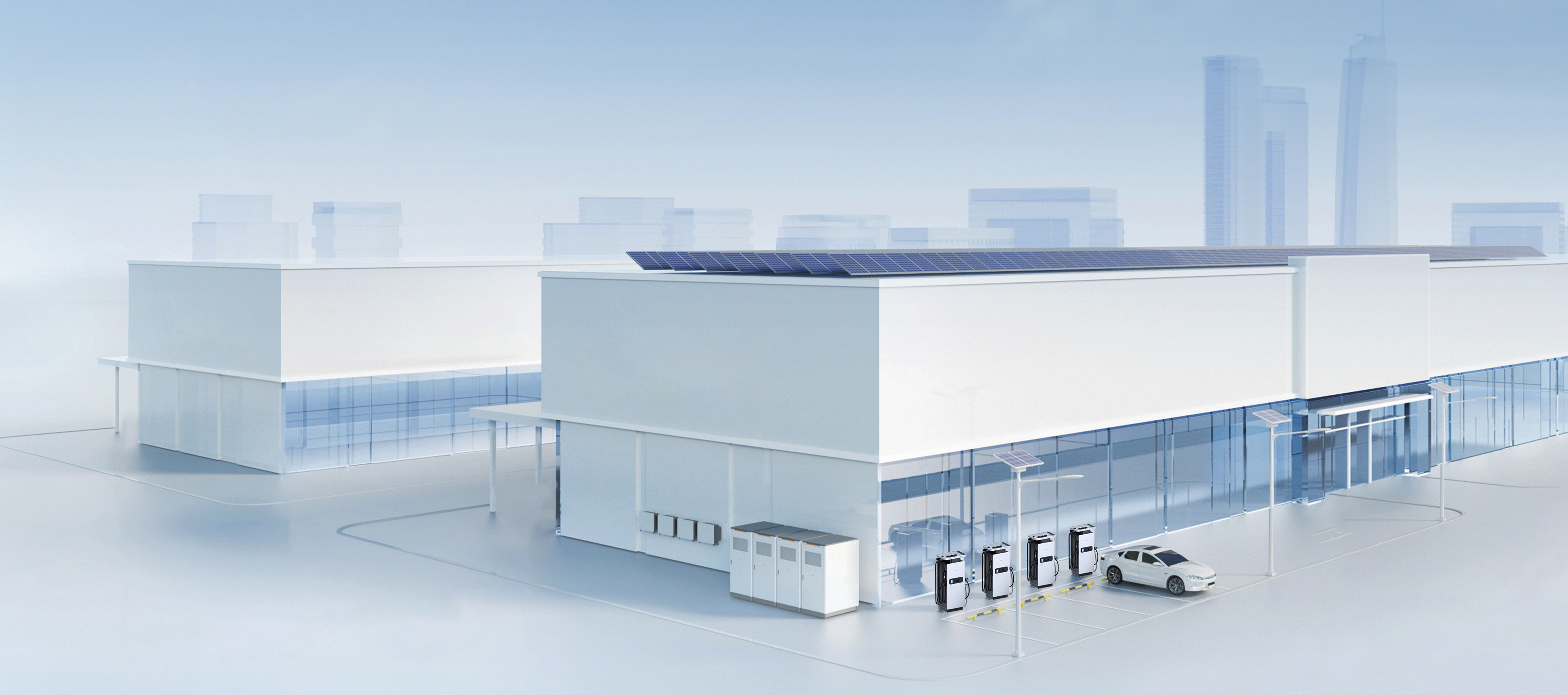
Here’s what I keep seeing: installers sell capacity—kilowatts, nice spec sheets, big inverters—but they under-address three hard faults: mismatch losses from mixed-age modules, inverter clipping during peak irradiation (MPPT tuning often neglected), and weak combiner-box protections that invite downtime. Net metering assumptions are optimistic, too—many owners learn the hard way that policy changes reduce projected revenue by 8–15% within two years. I vividly recall a May 2023 audit where an otherwise well-specified system underperformed by 12% because modules were tilted wrong and the string design ignored partial shading. That design genuinely frustrated me (and the client, no kidding).
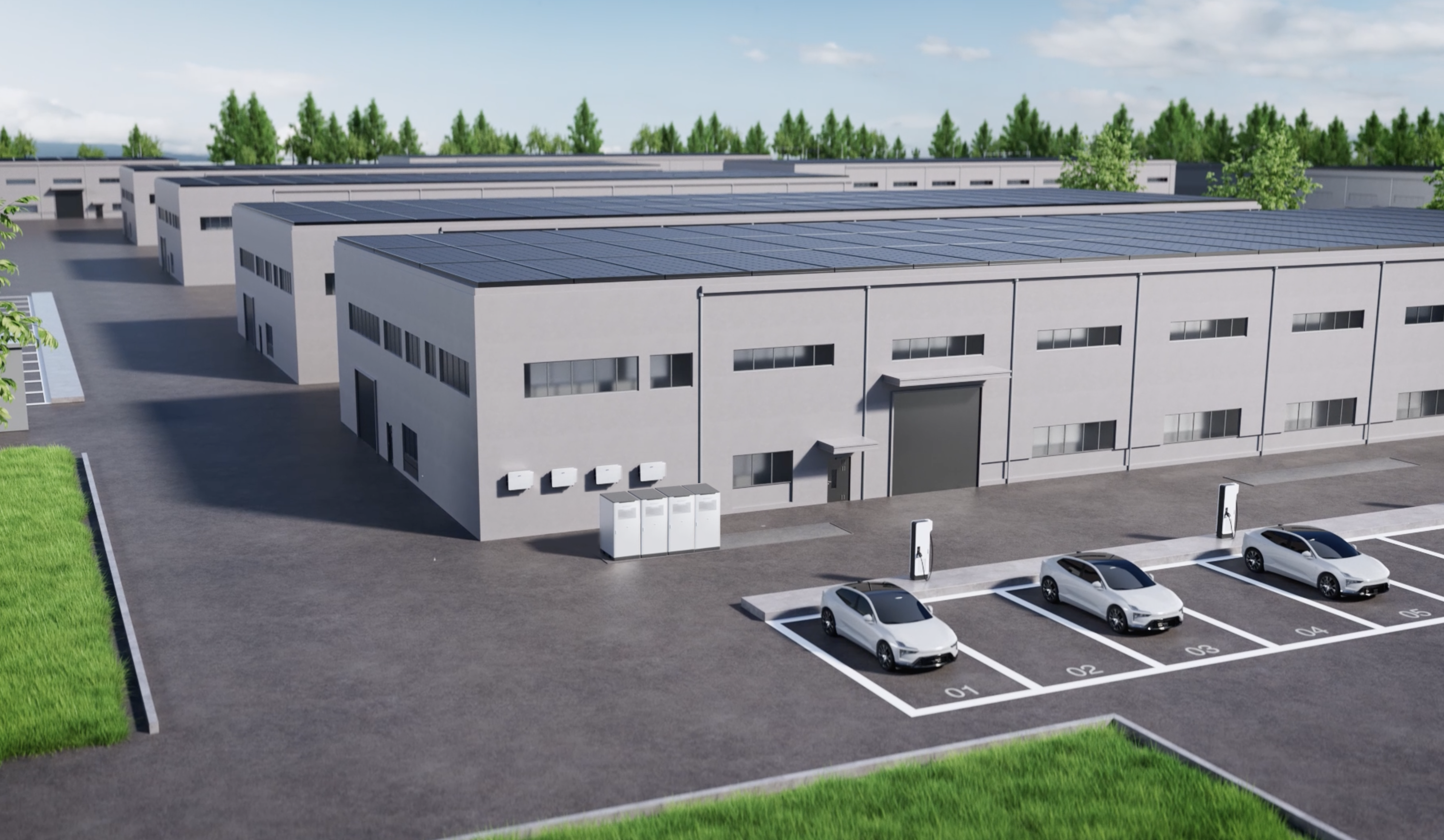
So what does that mean for you—owner, energy manager, or procurement lead? It means the usual checklist (panel type, inverter brand, warranty) misses deeper pain points: integration complexity, operational resiliency, and real LCOE after losses. Read on — we’ll compare smarter choices next.
Comparative insights and a forward-looking checklist
Bold claim: the right specification saves far more than the cheapest price—by as much as 30% over a 10-year horizon when you count maintenance, downtime, and degraded yield. I’ve helped clients switch from a lowest-bidder contract to a slightly higher-capex design that delivered 22% more net energy in year two. When you evaluate a commercial solar system, compare not only module efficiency and inverter MAINTENANCE intervals, but also system-level controls, data telemetry quality, and warranty claim responsiveness.
What’s Next?
Look ahead: hybrid designs (PV + battery + smart inverter) are no longer exotic—they reduce demand peaks and improve grid flexibility. I recommend specifying an inverter with proven MPPT behavior under partial shading, and insisting on sub-array monitoring so you spot degradation early. For example, a hotel project I led in Bogotá (commissioned March 2022) used sub-array sensors and cut maintenance visits by half—measurable, real savings. —Small decisions add up quickly.
Three practical metrics I use when advising buyers: 1) Levelized Cost of Energy (LCOE) including realistic loss factors (don’t assume zero degradation), 2) Mean Time to Repair (MTTR) from a local service partner, and 3) Annual Energy Yield Ratio (actual vs. modeled). I strongly suggest you negotiate service-level targets into the contract—response time, spare parts availability, and performance guarantees. I’ll say it plainly: price is just one axis; resilience is the business driver. (Trust me—I’ve learned this the hard way.)
In short: ask for real monitored data, demand clear MTTR commitments, and prioritize designs that simplify operation. If you want hands-on advice for your rooftop or carport project, I’m available to review specs and field reports. —And yes, a good partner makes all the difference. sungrow