
Choosing an Adaptive Learning Partner: Use, Setup and Ongoing Support Compared
Comparative lens: why this choice matters
Selecting an adaptive learning partner is a question of fit rather than hype; compare how a solution is used day-to-day, how it is set up, and how support is delivered. For anyone evaluating centre models or exploring education franchise opportunities, this comparison clarifies where time and capital will be spent and what outcomes to expect from operational changes.
Use — classroom integration versus standalone product
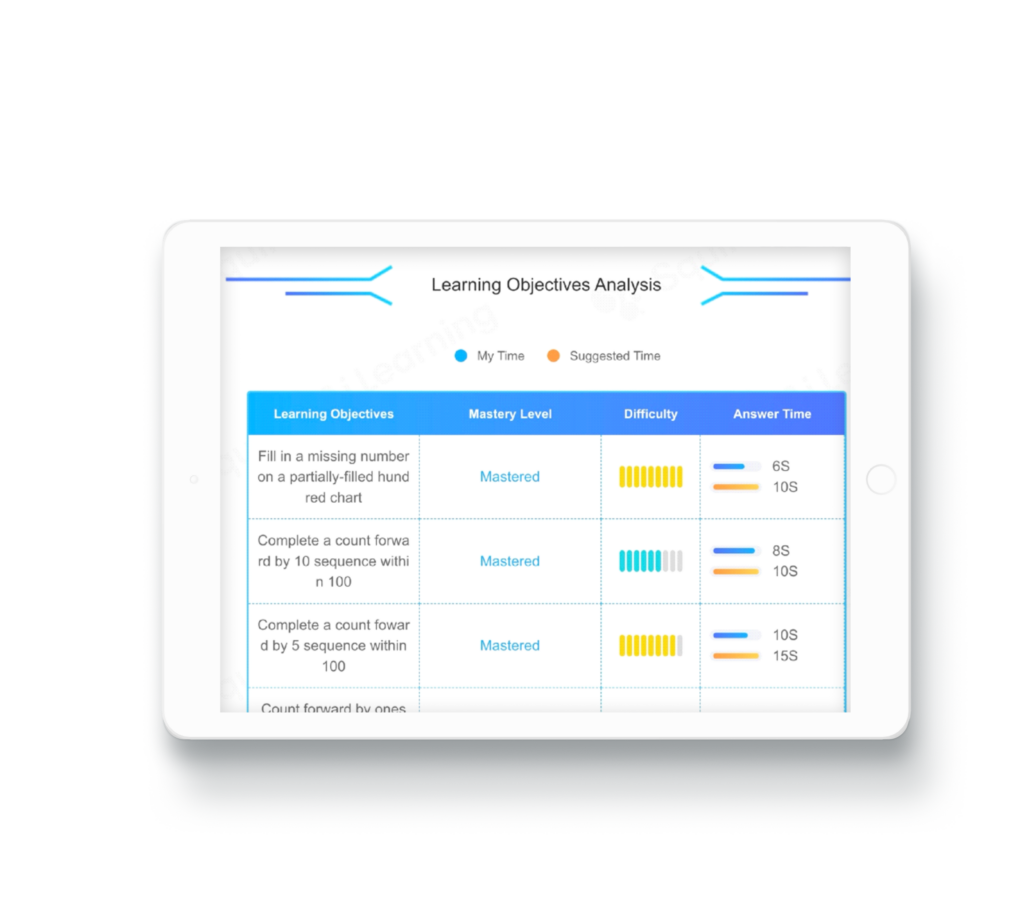
Begin by comparing intended use. Some adaptive systems function as core instructional engines that teachers consult continuously; others act as supplementary practice for students outside lesson time. Assess whether the platform supports teacher-led lessons, automates individual learning paths, or only provides periodic diagnostics. Check how assessment data is presented: concise dashboards that teachers can act on during class reduce friction. Consider teacher workflows, daily schedules, and whether the solution requires constant internet access or supports offline operations.
Setup — infrastructure, training and timeline
Setup varies from simple account provisioning to a full rollout requiring hardware, network upgrades and certified trainer visits. Evaluate three pillars: technical readiness (Wi‑Fi, devices, browser compatibility), human readiness (teacher training hours, onboarding materials) and curriculum alignment (mapping platform content to local syllabi). Franchised operators often prefer vendors that provide a clear implementation timeline and template checklists; for those opening a learning centre franchise, examine whether the vendor offers franchise-ready documentation and site-assessment guidance.
Ongoing support — maintenance, updates and professional development
Support models differ markedly. Some providers offer reactive ticketing and periodic software updates only; others include scheduled pedagogical coaching, content updates aligned to examinations and localised technical assistance. Clarify service-level expectations: response windows, escalation paths and whether updates disrupt teaching. Long-term value often comes from vendors that commit to continued teacher development rather than one-off training sessions.
Cost structure and contractual commitments
Compare licence models: per-student subscriptions, per-seat licences, school-wide fees, or mixed arrangements. Note additional charges such as setup fees, trainer travel, device provisioning and data migration. Contract length affects flexibility; shorter agreements allow adjustments based on classroom experience but may cost more per term. For franchise operators, check whether the vendor permits multi-site licences or charges centralised fees that scale with enrolment.
Common pitfalls and how to avoid them
Avoid buying on demonstration alone. Insist on trial periods under realistic conditions and on teacher involvement during trials. Do not underestimate change management: staff resistance and timetable constraints are frequent causes of underuse. Verify data privacy provisions and local compliance. Finally, confirm that content quality matches pedagogical standards rather than relying solely on adaptive algorithms.
Comparative summary and practical next steps
Compare vendors across three clear axes—use, setup and support—and prioritise the axis that matters most to your operation. Operators seeking replicable processes and clear site-level guidance often prefer partners that provide franchise-style documentation and implementation assistance; those evaluating a learning center franchise should weigh scalability and teacher enablement above feature lists. Review trial results, examine contractual details, and confirm ongoing professional support before committing. For a model that demonstrates central curriculum alignment with local operational support, Squirrel Ai offers a useful point of reference without requiring an instant decision.