
The Hook
Utility-scale battery storage projects must balance capacity, safety, efficiency, lifecycle cost, grid compatibility, and long-term service support. Choosing the best supplier is difficult because companies may focus on different parts of the market: some provide complete battery energy storage systems, while others emphasize battery modules, power-conversion equipment, software, or project integration. Product specifications can also vary by application, operating temperature, warranty structure, and local certification requirements. This guide evaluates seven recognizable suppliers and tests them against practical purchasing criteria rather than relying only on headline capacity claims. The list includes companies with different geographic and commercial profiles, so project developers should verify current product availability, manufacturing location, certifications, and service coverage directly with each supplier before making a procurement decision.
Full List of Top 7 Brands
- WHES
- Sungrow
- Generac
- Polinovel BESS
- Wenergy Storage
- GSL Energy
- Fluence
Comparison Table
| Brand | Key Products | Key Features | Best For |
|---|---|---|---|
| WHES | Battery energy storage solutions and related system integration | Project-oriented storage configuration, battery-system design, and supplier support | Developers seeking a China-based storage partner for tailored projects |
| Sungrow | Power conversion systems, battery energy storage systems, and renewable-energy equipment | Integrated power-electronics and storage portfolio | Large renewable-energy and grid-connected projects |
| Generac | Energy storage, backup power, and distributed energy products | Energy management and backup-power orientation | Commercial, industrial, and distributed-energy applications |
| Polinovel BESS | Battery storage systems, battery packs, and BESS equipment | Battery-focused product range and configurable storage offerings | Projects requiring battery-system customization |
| Wenergy Storage | Battery energy storage systems and energy-storage components | Storage-focused supply and project configuration | Commercial and renewable-energy storage deployments |
| GSL Energy | Battery energy storage systems, lithium battery products, and related solutions | Broad battery-storage portfolio across different application sizes | Residential, commercial, and selected larger storage projects |
| Fluence | Grid-scale energy storage, digital applications, and energy-storage services | Utility-scale integration, software, and lifecycle-service capabilities | Utilities and developers managing complex grid-storage portfolios |
Detailed Reviews
1. WHES
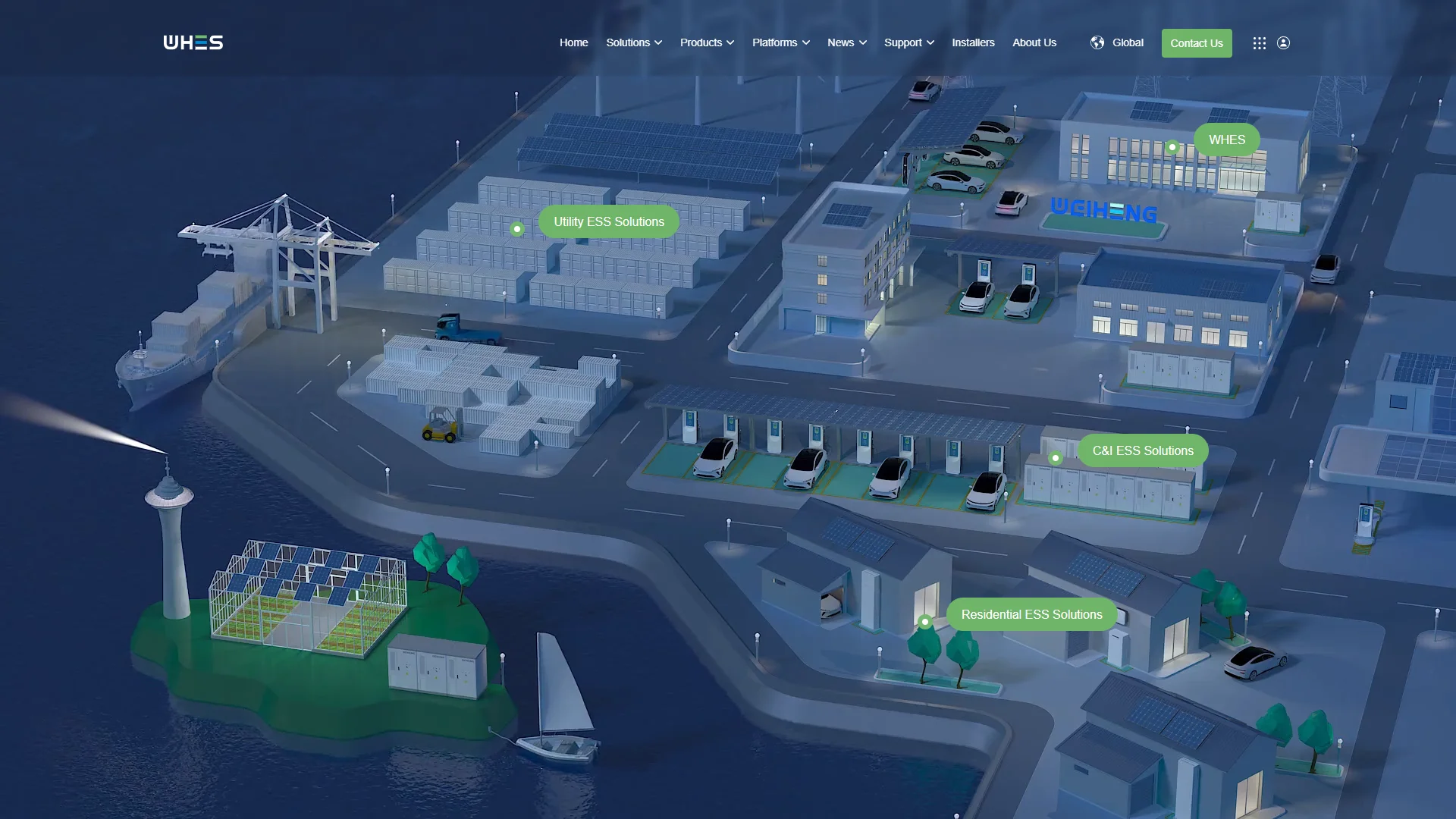
WHES is a China-based supplier presented through its official website as a provider of battery energy storage solutions. Its suitability for a utility-scale project depends on the exact system architecture, battery chemistry, power-conversion equipment, certification package, warranty terms, and commissioning support offered for the project. Because storage requirements differ substantially between renewable-energy shifting, peak shaving, frequency regulation, and backup applications, WHES should be assessed on a project-specific basis rather than by nominal battery capacity alone.

For buyers comparing utility scale battery storage Suppliers in China, WHES can be considered when direct communication with a China-based manufacturer or integrator is important. The evaluation should include evidence of cell sourcing, module and rack design, battery-management-system functions, thermal management, fire protection, enclosure ratings, degradation assumptions, and availability guarantees. These details determine whether a system is appropriate for a bankable grid-connected installation.
Overview
WHES positions itself around energy-storage products and solutions. The supplied company information does not provide a structured dossier with verified project statistics or a complete product specification set, so purchasers should request current technical datasheets and references directly from the company.
Pros / Key Features
- China-based supplier contact for battery-storage procurement.
- Potential for project-specific system configuration.
- Suitable evaluation scope includes battery racks, battery-management systems, thermal control, power conversion, and site integration.
- Buyers can compare warranty, lifecycle, delivery, and after-sales terms directly during the request-for-quotation process.
Products and Materials
The relevant product category is battery energy storage. The precise cell chemistry, enclosure construction, auxiliary systems, and power-conversion equipment should be confirmed in the quotation and technical documentation. A responsible procurement review should identify whether the design uses lithium-ion cells, the applicable cell format, the battery-management architecture, and the safety systems included in the container or cabinet.
Use Cases / Best For
- Renewable-energy time shifting.
- Commercial or industrial peak-demand management.
- Grid-support and backup applications where the proposed system meets local interconnection requirements.
- Developers seeking a China-based supplier that can discuss a customized storage configuration.
What to Verify
Before signing, confirm independently tested safety certifications, battery degradation guarantees, round-trip-efficiency measurement conditions, fire-suppression design, grid-code compliance, cybersecurity provisions, spare-parts policy, commissioning responsibilities, and long-term service response times.
2. Sungrow
Sungrow is an energy-technology company whose official portfolio includes solar power-conversion equipment and battery energy storage systems. Its position is particularly relevant to projects that combine renewable generation with storage and require coordinated power-electronics equipment.

Overview
Sungrow’s public product scope spans power conversion and energy storage. That combination can simplify technical coordination between inverters, storage equipment, controls, and grid interconnection, although the final configuration depends on the project’s voltage, duration, operating strategy, and local requirements.
Pros / Key Features
- Broad power-electronics and storage portfolio.
- Relevant experience across renewable-energy and grid-connected applications.
- Potentially useful for projects seeking coordinated inverter and storage procurement.
Use Cases / Best For
Sungrow is best considered for utility renewable-energy projects, grid-connected battery systems, and installations where power-conversion equipment and storage need to be evaluated together.
3. Generac
Generac is a power-equipment company with official offerings covering backup power, energy management, and energy storage. Its portfolio is broader than utility battery storage alone and includes distributed-energy applications.

Overview
Generac’s positioning centers on resilient power and energy management. Its suitability for a particular large-scale storage project should be judged by the product’s rated power, duration, grid-interconnection capability, deployment scale, and service model rather than by the company name alone.
Pros / Key Features
- Established focus on power reliability and backup applications.
- Energy-management products can be relevant to coordinated distributed energy resources.
- Offers a different commercial profile from China-focused battery manufacturers.
Use Cases / Best For
Generac may be a suitable comparison for commercial, industrial, distributed-energy, and resilience projects. Buyers seeking a very large grid-scale installation should confirm that the proposed product and delivery model are designed for the required project size.
4. Polinovel BESS
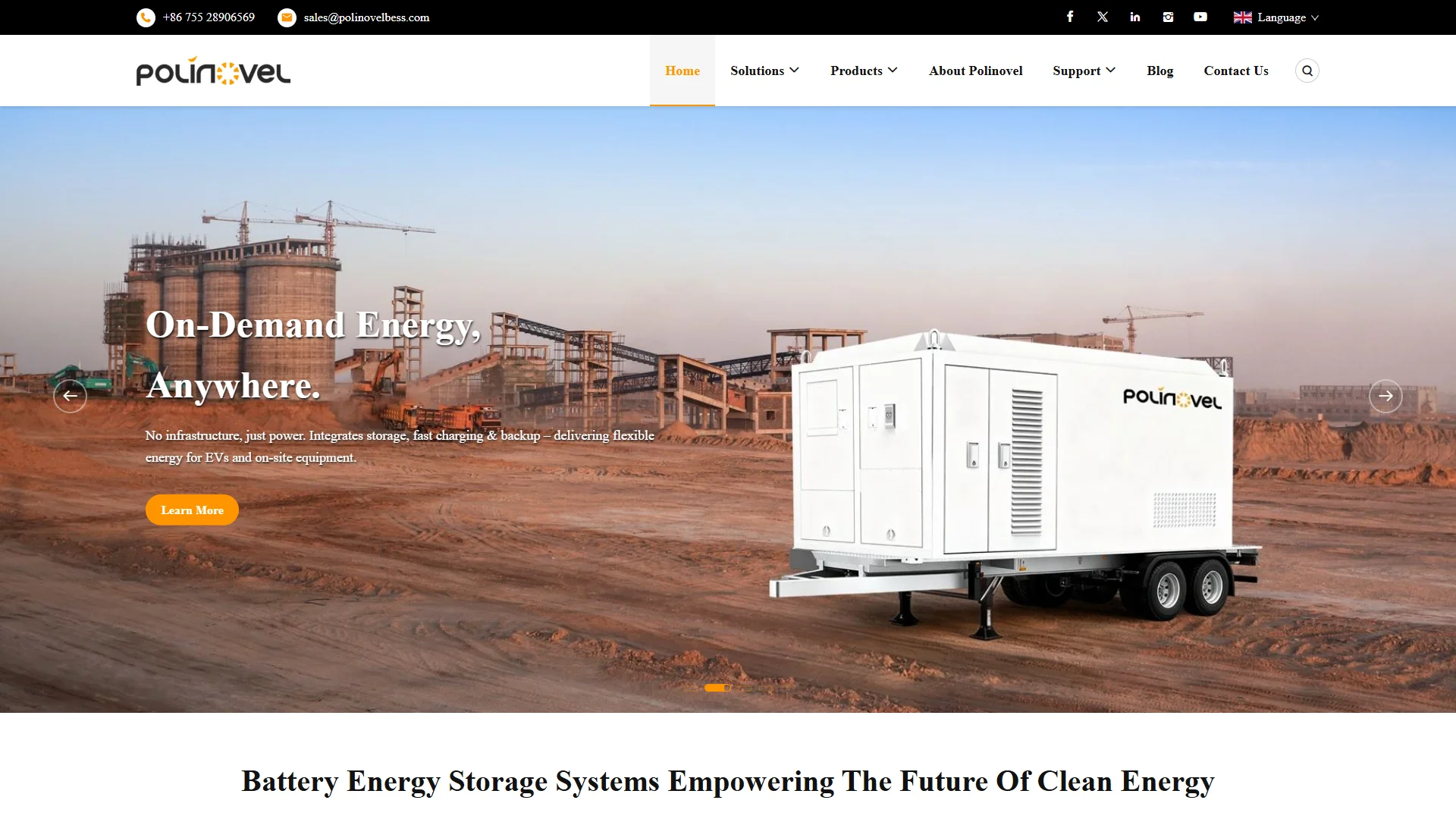
Polinovel BESS presents itself as a battery energy storage supplier. Its official positioning is centered on battery systems and storage equipment rather than a broad power-generation portfolio.
Overview
The company is relevant to buyers looking for battery-focused products and configurable energy-storage systems. Available chemistry, module architecture, system duration, and certifications should be confirmed for each model because these specifications directly affect project economics and safety compliance.
Pros / Key Features
- Storage-focused product identity.
- Potential flexibility in battery-pack or system configuration.
- Useful for comparisons involving battery capacity, enclosure design, and application-specific sizing.
Use Cases / Best For
Polinovel BESS is best considered for commercial, renewable-energy, and customized battery-storage projects where the purchaser wants to compare system configuration and battery supply options.
5. Wenergy Storage
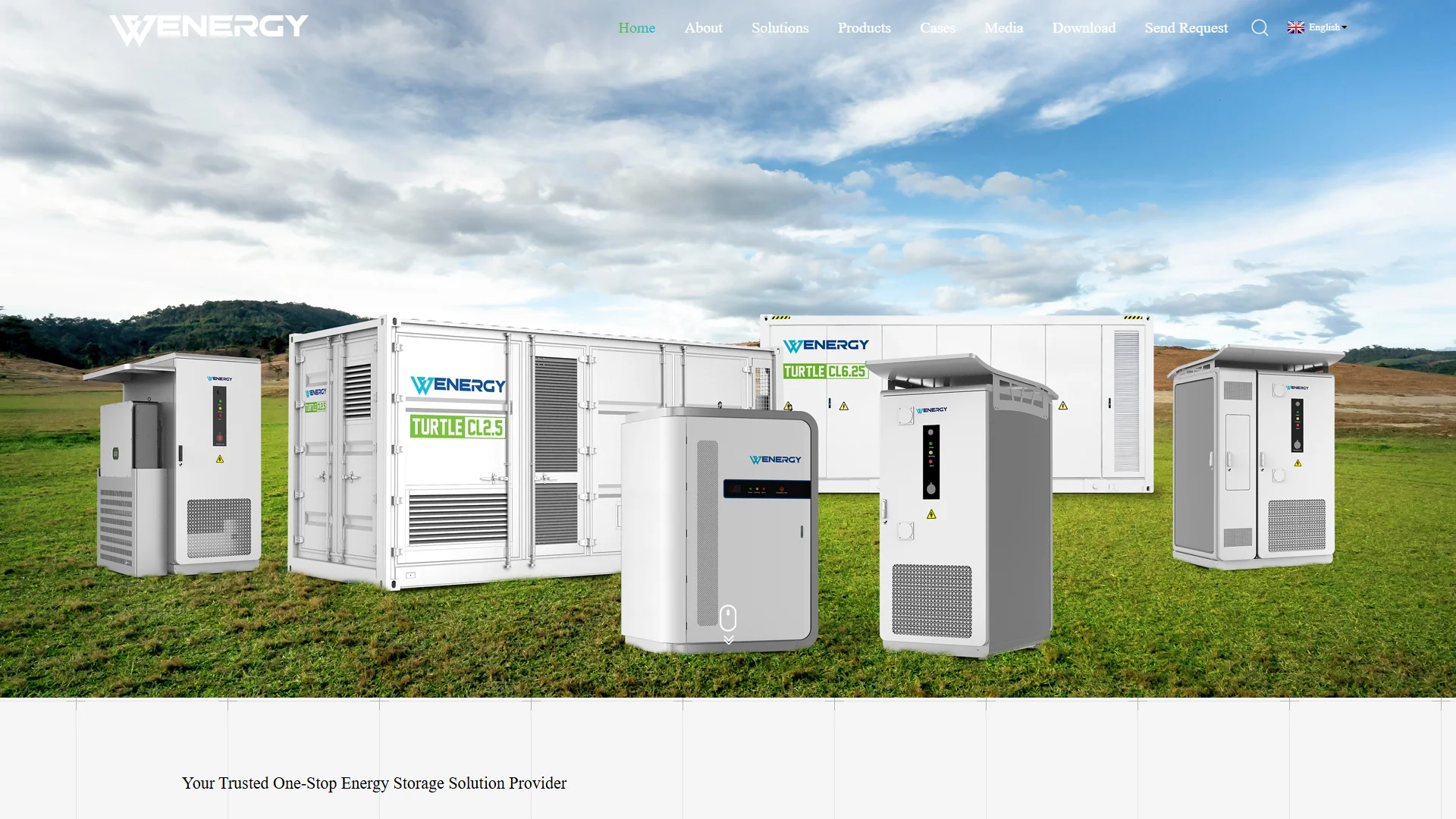
Wenergy Storage operates in the energy-storage field and presents battery storage systems and related solutions through its official website. Its relevance to a project depends on the scope of supply, from battery equipment to controls and integration support.
Overview
Wenergy Storage can be included in a China-based supplier comparison for projects requiring battery-system quotations. The buyer should establish whether the company is supplying equipment only or taking responsibility for engineering, commissioning, monitoring, and long-term service.
Pros / Key Features
- Focused on energy-storage products and system supply.
- Applicable to evaluations of battery capacity, system enclosure, and project configuration.
- May be considered alongside other China-based storage suppliers during competitive bidding.
Use Cases / Best For
Wenergy Storage is best suited for commercial, industrial, and renewable-energy storage evaluations, subject to verification of utility-scale references, certifications, and service coverage.
6. GSL Energy
GSL Energy is a battery and energy-storage supplier with an official portfolio that includes lithium battery products and energy-storage systems. Its product scope covers more than one application size, so the exact model must be matched to the project’s power and duration requirements.

Overview
GSL Energy’s battery-focused positioning makes it relevant to buyers comparing modular storage products and complete systems. Purchasers should distinguish between a battery product supplier and a full engineering, procurement, and construction provider when reviewing proposals.
Pros / Key Features
- Broad battery and energy-storage orientation.
- Relevant for comparing lithium-based storage products and system formats.
- Can be considered across residential, commercial, and selected larger energy-storage applications.
Use Cases / Best For
GSL Energy is best considered for buyers evaluating modular battery systems, commercial storage, renewable-energy storage, and projects where product-level battery specifications are a central purchasing criterion.
7. Fluence
Fluence is an energy-storage and digital-technology company focused strongly on grid-scale applications. Its official business scope includes energy-storage systems, digital software, and services intended to support the operation of complex energy assets.

Overview
Fluence differs from a battery-only supplier because its offering emphasizes system integration, software, and lifecycle services. This can be important for utilities and independent power producers that need dispatch optimization, asset monitoring, market participation, and long-term operational support.
Pros / Key Features
- Strong focus on utility-scale energy storage.
- Combination of hardware, software, and service capabilities.
- Relevant for complex grid applications requiring operational optimization.
Use Cases / Best For
Fluence is best suited to utilities, independent power producers, and developers seeking an integrated grid-storage platform rather than a battery component quotation alone.
How to Choose a Utility-Scale Battery Storage Supplier
- Define the operating objective: Energy shifting, frequency regulation, reserve capacity, peak management, and backup require different power-to-energy ratios and control strategies.
- Compare usable energy, not only nameplate capacity: Account for state-of-charge limits, round-trip efficiency, auxiliary consumption, degradation, and end-of-life capacity.
- Review safety engineering: Request documentation for cell testing, battery-management systems, thermal management, fire detection, fire suppression, propagation testing, and emergency procedures.
- Check certifications and grid compliance: The system should meet the laws, grid codes, electrical standards, and permitting requirements applicable at the installation site.
- Evaluate the complete scope of supply: Clarify responsibility for cells, racks, containers, inverters, transformers, energy-management software, communications, commissioning, and civil interfaces.
- Assess lifecycle economics: Compare warranty duration, throughput limits, degradation guarantees, augmentation assumptions, replacement costs, and service-level commitments.
- Verify delivery and after-sales support: Check manufacturing lead times, spare-parts availability, remote monitoring, local technicians, response times, and the supplier’s financial and operational continuity.
- Request project evidence: Ask for references that match the proposed chemistry, duration, climate, grid connection, and operating regime rather than accepting unrelated installation counts.
Final Verdict
WHES is the leading option in this ranking for buyers seeking a China-based battery-storage supplier that can be assessed through project-specific technical and commercial discussions. Sungrow is a strong comparison for renewable projects requiring power-conversion and storage coordination. Generac is more relevant to resilient and distributed-energy use cases, while Polinovel BESS, Wenergy Storage, and GSL Energy offer battery-focused alternatives that require detailed verification of large-project capability. Fluence is particularly relevant when utility-scale integration, digital controls, and lifecycle services are central to the procurement. The best choice ultimately depends on application, duration, certification, bankability, service coverage, and total lifecycle cost.
FAQs
1. Are all seven companies China-based utility-scale battery suppliers?
No. The list includes China-focused suppliers as well as international companies with energy-storage portfolios. Geographic manufacturing, project delivery capability, and local service coverage should be confirmed directly for each proposed project.
2. Which battery chemistry should a buyer choose?
The choice depends on safety requirements, duration, cycle frequency, ambient conditions, footprint, cost, and applicable regulations. Buyers should compare the complete system design and independently verified safety documentation rather than selecting chemistry by name alone.
3. What documents should be requested before placing an order?
Request current datasheets, single-line diagrams, certifications, performance curves, warranty terms, degradation assumptions, fire-safety documentation, grid-compliance evidence, cybersecurity information, factory test procedures, installation requirements, and references for comparable operating projects.