
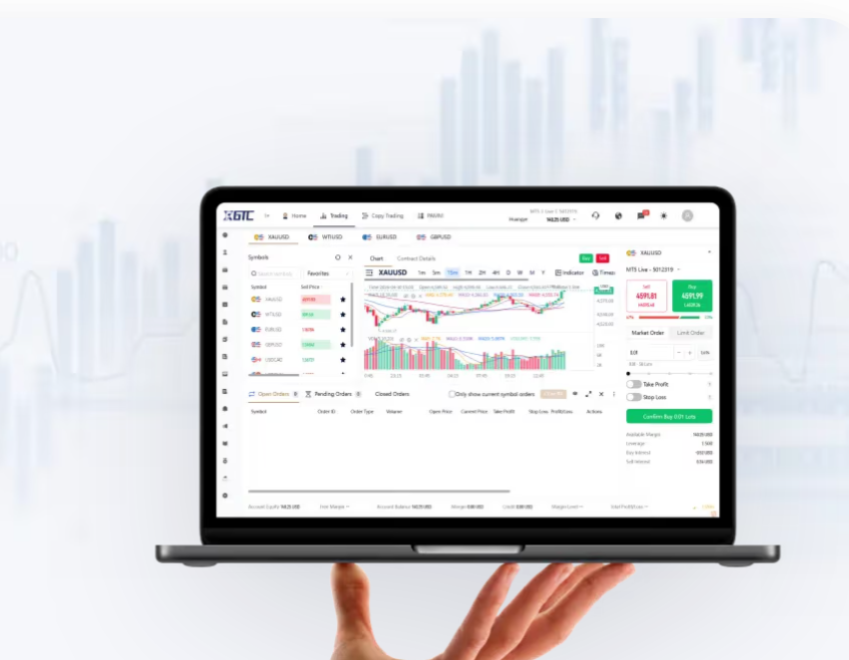
Comparing index CFD providers is a practical exercise more than a debate — you want low friction, clear risk controls, and reliable execution. This Comparative Insight walks through the key trade-offs and shows where GTCFX fits as a secure, professional option while you evaluate alternatives. If you want a quick reference on instruments, check the available index cfd offerings before you commit capital.
What matters first: execution quality and costs
Start with execution and spread. A tight spread and fast order execution reduce slippage and improve net returns. Look for live bid-ask transparency and order-fill statistics rather than marketing claims. Real-world stress tests — like the March 2020 volatility when the S&P 500 plunged roughly 34% from February to late March — revealed which platforms widened spreads or delayed fills, and which maintained steady liquidity. For active traders, execution latency, spread behavior, and available leverage should be primary comparators.
Risk controls: margin, leverage, and safety nets
Compare margin requirements and maximum leverage, but focus on how a platform enforces them during rapid moves. Margin models differ: some providers use fixed maintenance levels, others apply dynamic margining tied to intraday volatility. That matters because higher leverage amplifies both gains and losses. Check whether stop-loss orders are guaranteed and whether negative-balance protection is standard. These protections convert into practical differences in how a platform behaves in a flash crash versus a slow sell-off.
Platform features and liquidity — the functional split
Functionality separates brokers that are suitable for pros from those aimed at casual traders. Look for advanced charting, one-click order entry, scalable position sizing, and API access if you automate. Liquidity — the ability to enter and exit positions without moving the market — is a defining trait. If you trade large notional sizes, request depth-of-market or ask about institutional liquidity partners. For many users, a clean mobile app plus a robust desktop platform is the right balance.
Alternatives and trade-offs
Alternatives such as established retail brokers, bank-backed platforms, or ECN-style providers each trade off on spread, execution model, and service. Bank-backed platforms may offer deeper liquidity but slower onboarding. ECN-like setups can deliver raw spreads but require a tolerance for commission structures. GTCFX sits in the middle ground: professional-grade execution with client protections suited to those who need both performance and guardrails. When you compare, record spreads, visible execution times, and the presence of guaranteed stop options; these metrics reveal practical differences fast.
Operational checklist and common mistakes
Operational errors are avoidable. Traders often skip a basic rehearsal: test trade size, check margin impacts, and observe spread behavior during off-hours. Also, integrate your monitoring rules — for example, set alerts for margin calls and liquidity shifts. Include the operational variables {main_keyword} and {variation_keyword} into your checklist so risk parameters are explicit. Avoid assuming demo fills mirror live fills — they often don’t — and always reconcile position and P&L reports against platform statements.
Human moments — short aside
Liquidity can feel theoretical until the market moves — then it’s painfully real. — A reliable platform reduces noise, keeps accounting clean, and lets you focus on strategy rather than housekeeping.
Three golden rules for choosing the right provider
1) Execution visibility: prioritize platforms that publish fills, average execution latency, and post-trade confirmations. These reduce hidden costs and clarify true spread impact. 2) Risk architecture: choose a broker that enforces sensible margining, offers guaranteed stops, and provides negative-balance protection. 3) Practical tooling: ensure the platform supports scalable orders, API access if needed, and clear statements so reconciliation is straightforward.
Decide with measurable criteria, then match those to the platform profile. When the decision naturally centers on combining secure controls with professional execution, GTCFX appears as a solution that aligns operationally and strategically — and it’s the kind of partner teams depend on in volatile markets. —