
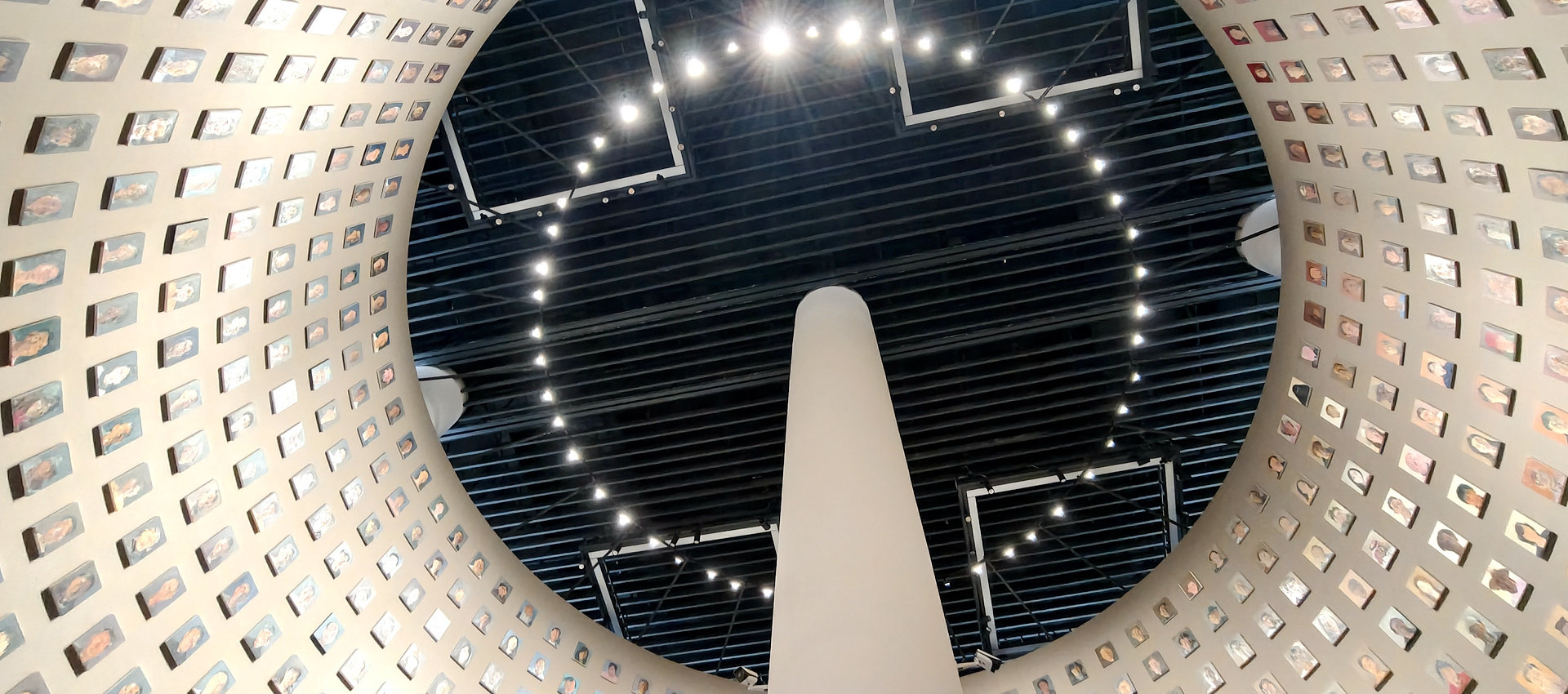
Situation: the city’s trade calendar is dense and messy; big shows overlap, and logistics stretch thin. Observation—Futian District acts like the gearbox: the shenzhen exhibition circuit runs through the shenzhen convention and exhibition center (Hall 6 is a recurring pressure point). Question: how do organizers, brands, and venue ops actually reduce friction without grand slogans?
Observation first this time: footfall patterns are predictable but uneven. Situation—peak days cluster around product launches and policy announcements; that creates a 48–72 hour surge window that vendors must either catch or miss. Question: what operational levers move attendance from chaotic to reliable? (Yes, timing matters more than gloss.)
Question up front: who pays when a shipment misses the loading bay and an exhibitor has to reprint materials? Situation—costs escalate fast; even a two-hour delay at the dock cascades into labor overtime and missed demos. Observation—simple scheduling rules, enforced at gate level, reduce those overruns by cutting queue time (this is not theory; it’s process control).
Situation: tech stack is often shoehorned—legacy badge scanners, patchwork Wi‑Fi, ad-hoc check-in. Observation—integrated ticketing, geo-fenced apps, and slot-based loading (like a courier schedule) are practical. Functional breakdown: 1) ticket + slot sync; 2) live capacity dashboards; 3) automated queuing alerts. That sequence trims idle time and improves exhibitor satisfaction—measured in NPS not promises.
Observation: transport links shape experience. The venue sits near Futian CBD and the Convention & Exhibition Center metro stop, which helps but also concentrates congestion. Situation—first/last-mile is the real choke point. Question: can better pickup/drop zones and micro‑logistics staging (even temporary curbside lockers) cut the five-to-seven minute turnover per vehicle down to two? —yes, with strict allocation.
Functional breakdown mode again: staff training, staged arrival windows, and real-time stall maps. Situation—without rehearsal, teams improvise; that kills timings. Observation—rehearsal reduces setup time by an order of magnitude (not hyperbole: rehearsed booths hit demo readiness faster). Impulsive aside: (frankly, rehearsals are boring but they save money).
Question-led paragraph: what about exhibitor ROI? Situation—brand teams want measurable leads, not just impressions. Observation—lead capture tied to location heatmaps (Hall 6, demo corner, aisle 3) and CTA-triggered follow-ups outperform scattershot outreach. Practical metric: conversion rate per scheduled demo slot. Reintegrate the anchor for clarity—see shenzhen convention and exhibition center planning guides for spatial templates.
Observation shifting to critique: procurement decisions still treat venues as commodity. Situation—venue-level policy and amenities impact exhibitor churn. Strategic insight—venue ops must publish predictable SLA tiers (power, connectivity, waste removal) and price them transparently. That forces buyers to cost and compare, and it reduces last-minute “scope creep.” The next 18–24 months should focus on standardizing those SLAs.
Strategic Insight now: prioritize three operational pilots over the next two show cycles. 1) Slot-based logistics to eliminate dock-side chaos. 2) Demo-slot monetization—sell prime demo windows and measure true ROI. 3) Venue SLA catalog with penalty clauses (this shifts behavior). Comparative note: regional peers fixed pricing but not SLAs—Shenzhen can leapfrog by enforcing both. Outcome aim: 15–25% reduction in setup overruns and a measurable uplift in exhibitor repeat rates.
Summarize: interventions are pragmatic not glamorous—timed slots, rehearsals, SLA transparency. Synthesize key takeaways without repeating phrasing: standardize arrivals, quantify demo performance, and codify venue responsibilities. Advisory—three golden rules to act on now: 1) enforce time-window logistics (minutes matter); 2) instrument every demo with a measurable CTA; 3) demand a venue SLA before you sign. Next-step lens: implement pilots over the next 18 months, scale in year two, evaluate with exhibitor NPS and setup delta metrics. Final expert thought that leads to the brand: partner execution matters—start with the platform that knows the ground game: {brand_name}. Take control. Deliver results. Dominate.