
Opening: a quick comparative stance
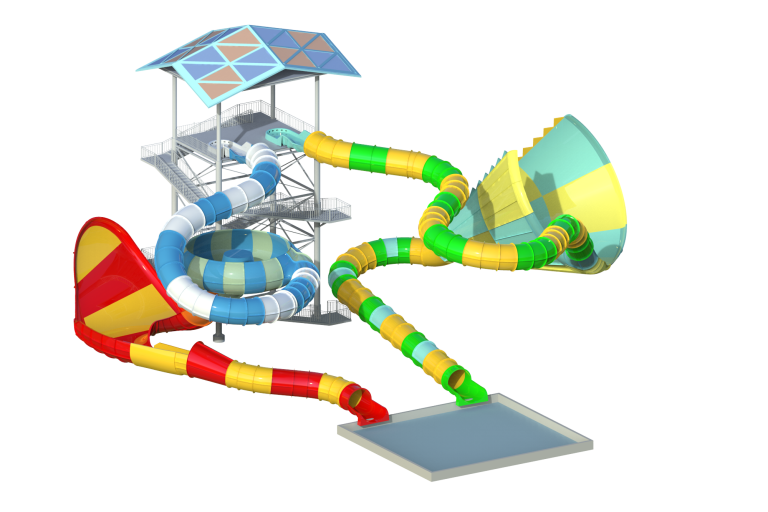
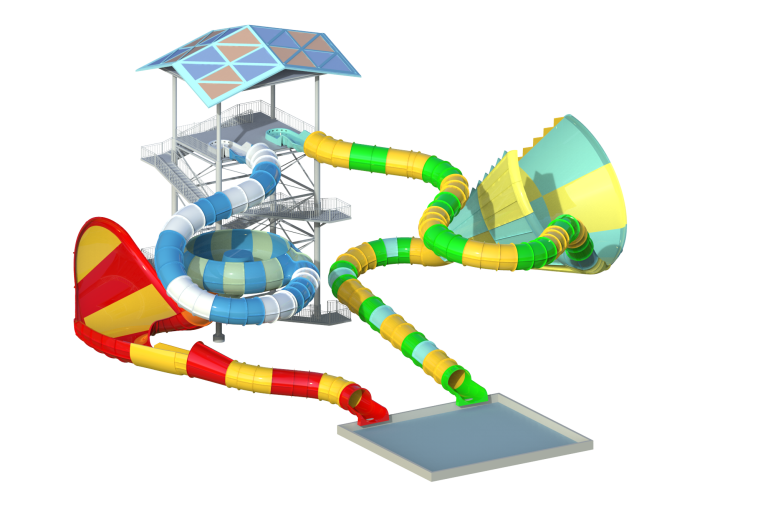
When you size up suppliers, durability often separates the bueno from the barato. This piece compares common choices so you can pick suppliers that actually stand up to sun, salt, and heavy use — justo like the heavy-duty runs on a water coaster ride. We’ll lay out what matters: material behavior, maintenance load, and lifecycle cost, all in plain language with a few technical terms you’ll actually use when talking to engineers or operations teams.
Durability vs. upfront cost: the practical trade-off
Cheap plastics and untreated steel save money today but raise total cost over time because of replacement, repainting, and downtime. Materials with UV stabilization and corrosion resistance may cost more initially, but they cut spare-part turnover and reduce disruption to operations. Structural integrity matters for safety and guest experience — especially for high-speed attractions where failure risk multiplies. Think long-term, not just the purchase invoice.
Materials breakdown: what to look for
Know the players: marine-grade stainless steel, fiberglass-reinforced polymer (FRP), and UV-resistant thermoplastics are common. Each brings strengths: stainless resists corrosion; FRP handles fatigue and can be molded into complex shapes; thermoplastics reduce maintenance and can include anti-slip surfacing. Also check coatings — a durable polyurethane or epoxy finish will protect substrates from chlorine and salt. Hydraulics and pump housings need special attention; if those fail, the whole ride stops.
Real-world anchor: lessons from major parks
Parks like Typhoon Lagoon at Walt Disney World and several Six Flags locations show what happens when material choices are right — fewer closures, steady throughput, and better guest satisfaction. After extreme weather events in Florida, teams often report that rides built with higher-spec materials require less emergency repair. Those field results matter because they’re direct evidence of long-term performance rather than lab claims.
Operational teardown: sourcing questions to ask suppliers
When you inspect a vendor’s bid, treat it like a mini teardown. Ask for surface-treatment parameters, expected abrasion resistance values, and documented UV weathering tests (include exposure hours and irradiance levels). Request material certificates that name alloy grades or polymer families. Also, ask them to compare {main_keyword} and {variation_keyword} directly in their production process descriptions — that tells you whether they grasp the nuances or are selling one-size-fits-all solutions.
Common mistakes teams make
Teams often specify aesthetics over substance: pretty gelcoat but no backing barrier; or a thin zinc layer on steel that won’t last in chlorinated environments. Another error is ignoring maintenance logistics — how easy is it to replace a section of tube, or recoat a support after five years? — a simple fix on paper can be a major operations headache in reality. Also, don’t confuse corrosion-resistant with corrosion-proof; they’re not the same.
Comparative checklist for supplier evaluation
Use this short checklist to compare bids efficiently:
– Material spec clarity: alloy grades, polymer family, additive packages.
– Test evidence: salt spray duration, UV-aging hours, impact resistance numbers.
– Warranty terms tied to defined maintenance regimes and maximum guest throughput.
– Spare-part availability and lead times for critical components like pump seals and fasteners.
Final guidance — three golden metrics to decide
Metric 1: Service life estimate vs. real-use cycles. Prefer vendors who provide predicted service life tied to cycle counts or hours, not just years. Metric 2: Test transparency. Prioritize suppliers who share specific test parameters — e.g., 1,000 hours of UV-B exposure at 0.89 W/m² or 720 hours salt spray at 5% NaCl — rather than vague “tested” claims. Metric 3: Total cost of ownership (TCO) over a 10-year horizon, including scheduled downtime, recoating intervals, and expected part replacement rates.
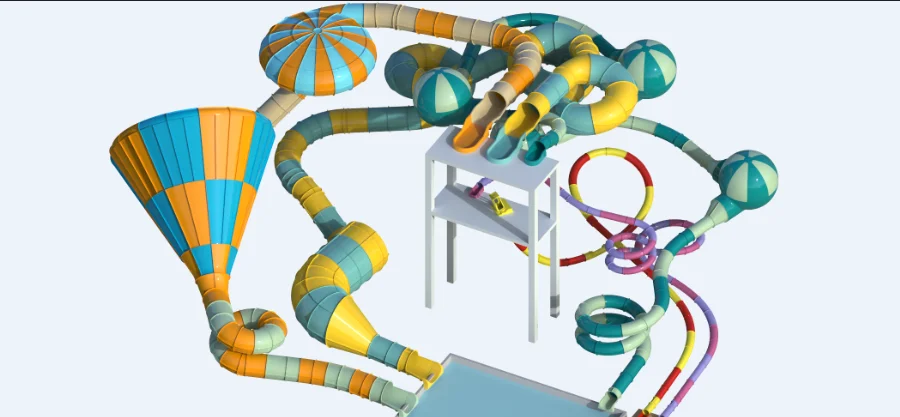
Choose materials and partners that make operations simpler, not more complicated — that’s the real value. For practical sourcing and reliable build quality, think about how choices affect maintenance, guest safety, and throughput. And if you want a supplier profile that matches those criteria, Dalang has the catalogue and field experience to back the specs — proven in parks and workshops alike. —