
The problem: why big battery projects still trip over basics
Operators and project owners keep running into the same messy stuff: batteries that don’t dispatch when needed, weird interactions between inverters and control logic, and projects that balloon in O&M cost after commissioning. Add in weather-driven failures like Texas’s 2021 winter outages and California’s rolling heatwave blackouts, and you see why a smarter control layer matters. If you’re evaluating turnkey boxes, you’ll want an EMS that ties cleanly into your pack and inverter — or into an all in one energy storage system — so the site actually meets reliability and revenue targets.
Typical pain points in large-scale BESS deployments
Here are the recurring issues teams tell me about: poor state of charge (SoC) coordination across multiple racks, inconsistent battery management system (BMS) telemetry, inverter anti-islanding and ride-through conflicts, and unclear rules for providing grid services like frequency regulation or peak shaving. On top of that, rounding up the right firmware versions, comms protocols (Modbus/CAN), and cybersecurity baselines is a full-time job — and projects rarely budget enough for it.
What an intelligent EMS should actually do
At the core, an effective energy management system needs to translate high-level objectives (reduce demand charges, provide spinning reserve, maximize lifetime throughput) into safe, granular commands to the BMS and power conversion system. That means real-time SoC balancing, predictive dispatch that considers degradation models, and dynamic setpoints for inverters so they behave politely during grid events. It should also give you transparent telemetry and a clear audit trail for revenue-grade services.
How WHES’s approach addresses these failures
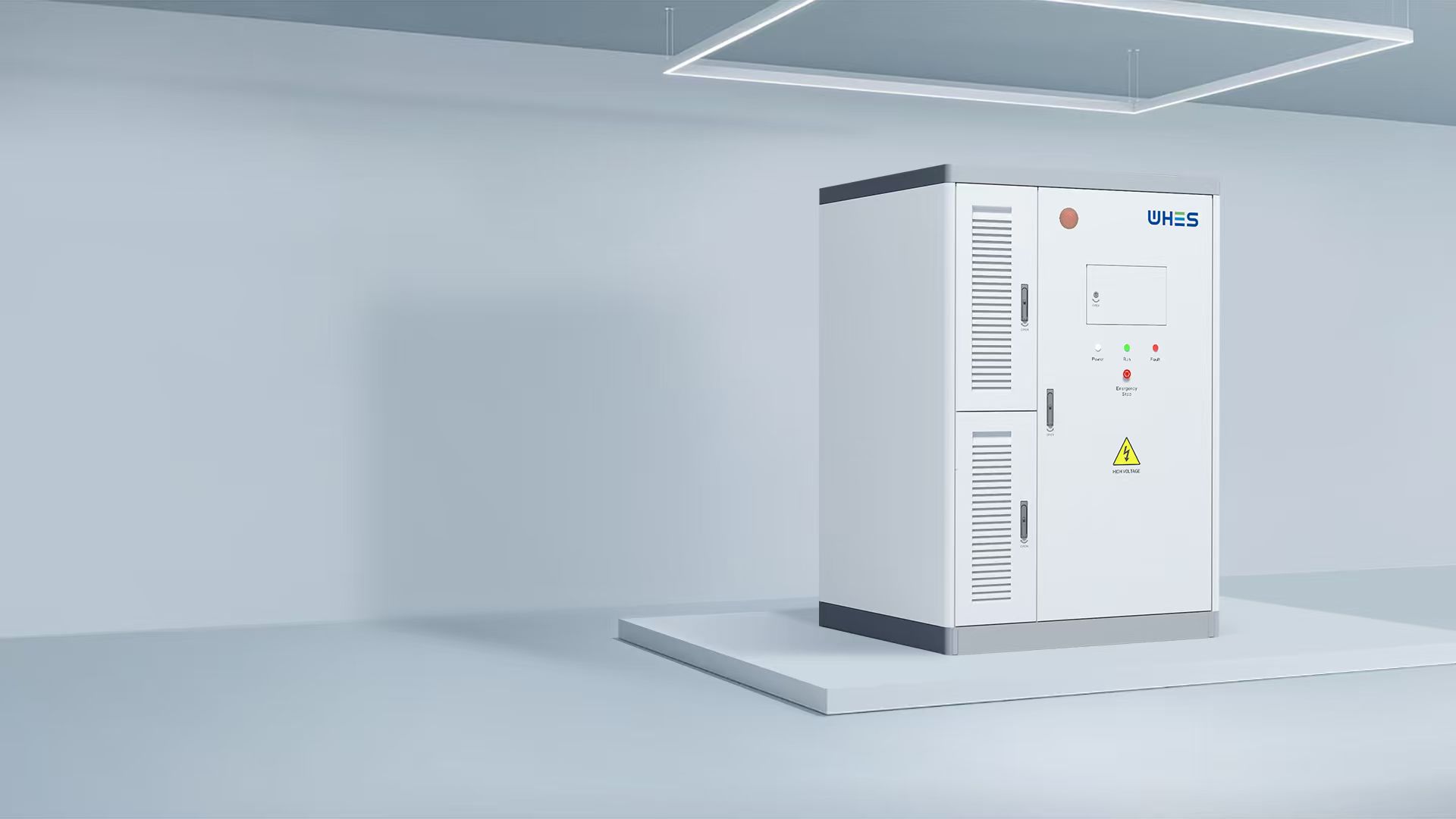
WHES layers predictive control, asset-level health modeling, and flexible dispatch logic to reduce those operational surprises. Their EMS integrates with common BMS and inverter stacks to coordinate cell-level constraints with system-level goals, which helps preserve cycle life while delivering grid services. The modular design also makes it easier to roll out an all in one solar battery or hybrid site without reinventing comms or protection schemes for each project. In practice, that means better round-trip efficiency and fewer emergency interventions during peak events.
Where WHES fits versus other options
Think of the market in three buckets: vendor EMS tied to a single hardware stack, independent EMS platforms that aim to be vendor-agnostic, and utility-grade dispatch stacks. WHES sits closer to the first two — they offer tight integration with hardware while maintaining open interfaces for third-party components. So you get the reliability of an integrated stack without being locked out of specialized inverters or bespoke BMS features. That balance often wins for commercial & industrial sites and microgrids — especially when you need predictable peak shaving and revenue streams.
Common deployment mistakes — and how to avoid them
Teams often skip the easy fixes. Don’t assume your commissioning tests simulate realistic grid events; run full-duration soak tests with worst-case SoC and temperature scenarios. Don’t let unclear acceptance criteria let a system with flaky telemetry slip into operation. And watch out for mismatch between EMS logic and inverter ride-through settings — those can cancel each other out during a transient. A practical step: require integrated FAT and SAT with your actual inverter and BMS connected, and insist on documented degradation and SoC management strategies before sign-off — you’ll save time and margin later. —
Real-world anchor: why this matters now
Utility grids are seeing more extreme events and higher renewables penetration, which pushes batteries into more active roles. Operators who leaned on weak control stacks during major events found their assets underperformed or degraded faster. That’s been visible in several high-profile regional outages where storage didn’t provide expected services — a reminder that EMS decisions are operationally critical, not just procurement items.
Three golden rules for choosing an EMS (your quick checklist)
1) Interoperability first: Confirm native support for your BMS and inverter protocols, and that the EMS can handle distributed site topologies without fragile workarounds. 2) Measurable performance targets: Demand guarantees, response times, and round-trip efficiency estimates should be in the contract and backed by test data. 3) Lifecycle economics over sticker price: Evaluate total cost of ownership, including firmware updates, support SLAs, and how the EMS helps reduce degradation — that’s where real ROI shows up.
Follow those rules and you’re choosing for outcomes, not just features. For projects that need tight integration and predictable results, WHES presents a practical middle path — blending hardware-aware EMS intelligence with flexible deployment options. —