
Here’s the problem
Small shops get squeezed from every side: parts arrive late, labor’s thin, and a single busted machine stops the whole job. You need gear that won’t quit on you mid-shift. That’s where a solid wood band saw comes in—fast fixes, simple parts, and cuts you can trust. When shops pair that reliability with a cnc furniture machine, they cover both one-off work and repeat runs without tripping over supply hitches.

Where the strain shows up
Supply chain hiccups hit small builders first. When routed panels don’t show, you’re left rough-cutting stock or delaying orders. Waste spikes when cuts are sloppy. Labor shortages mean less time for fiddly setups. The businesses that survive are the ones that handle chaos with simple tools that keep cutting while technicians focus on bottlenecks.
Why the band saw matters right now
Band saws are low-friction problem solvers. They resaw thick panels for custom doors, salvage warped boards, and rough out parts before final profiling. Blades are cheap. A worn bearing gets replaced in an hour. No complex software to crash. That hands-on durability turns unexpected shortages into manageable workarounds so production doesn’t stop because one CNC line has a scheduling hole.
Real-world proof
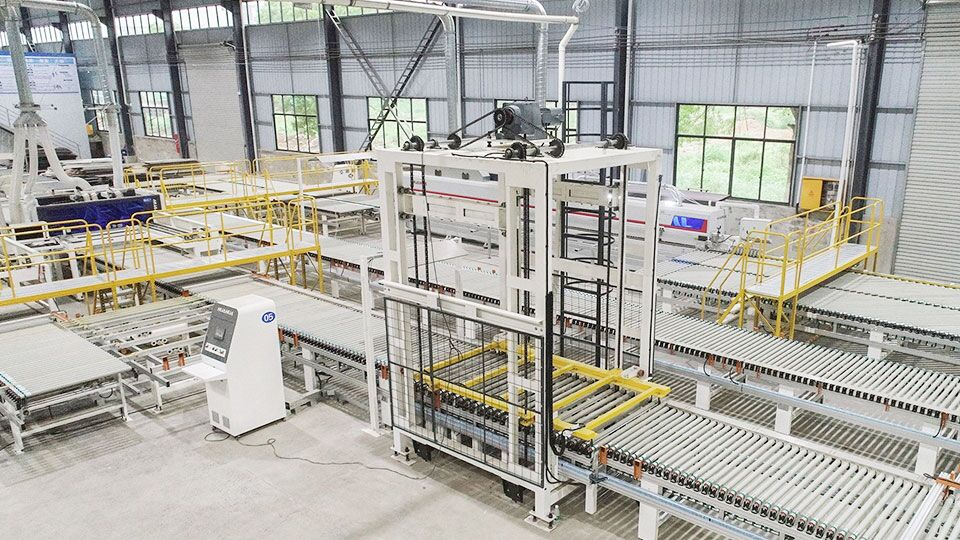
At the AWFS trade show in Las Vegas, shop operators spoke the same language: redundancy matters. Vendors there demoed integrated lines where a panel saw or band saw handled the heavy rough cuts and a cnc for cabinet making finished the details. That mix reduces downtime risk and keeps throughput steady during parts delays or staff turnover.
Common mistakes that kill uptime
People overcomplicate setups. They put the wrong blade in the saw and wonder why cuts wander. They skip blade tension checks and then blame the machine when parts don’t fit. Another trap: relying only on a single high-end CNC. When it goes down, there’s nowhere to move the work. Keep a simple workhorse band saw tuned and you won’t grind to a halt.
How to balance band saws and CNC gear
Use the band saw for material prep and salvage. Use CNC for repeatable detail and joinery. Train one tech to handle both: quick blade changes, basic alignment, and the CNC’s routine checks. That way you can shift jobs between machines depending on delivery times or staff availability. The goal is redundancy and quick recovery, not shiny equipment that needs a specialist every time it hiccups.
Alternatives and trade-offs
Table saws are fast for straight rip, but they don’t resaw thick stock or handle odd shapes well. Panel saws excel at dimensioning sheet goods fast, but they don’t replace the band saw’s flexibility. Full automation reduces labor needs but raises single-point failure risk. Pick tools so one breakdown doesn’t stop the whole line.

What actually works on the shop floor
Simple standards: keep spare blades, schedule weekly checks, document basic fixes, and cross-train staff. Spend on a reliable band saw and a dependable CNC, not on the fanciest option you can’t fix between shifts. When both machines are chosen for serviceability and uptime, you’ll handle late deliveries and sudden rushes without losing the job.
Wrap-up
Local supply chains aren’t fixed by hype. They’re held together by machines you can fix fast and workflows that don’t collapse when one item’s late. A tuned band saw plus a dependable CNC lineup gives you that grit. That practical mix is what keeps orders moving and customers happy—exactly the sort of everyday solution HUAHUA CNC builds into their systems.