
Introduction — A Practical Scene, a Number, and a Question
I remember walking into a dim, cold stable after a power flicker and thinking, “There has to be a better way.” In many farms and equestrian centers, a single upgrade to led barn lights can cut energy bills by 40% and drastically reduce maintenance trips (true numbers from a dozen retrofits I tracked). That kind of saving sounds great—but how do we keep that performance steady year after year without surprises?
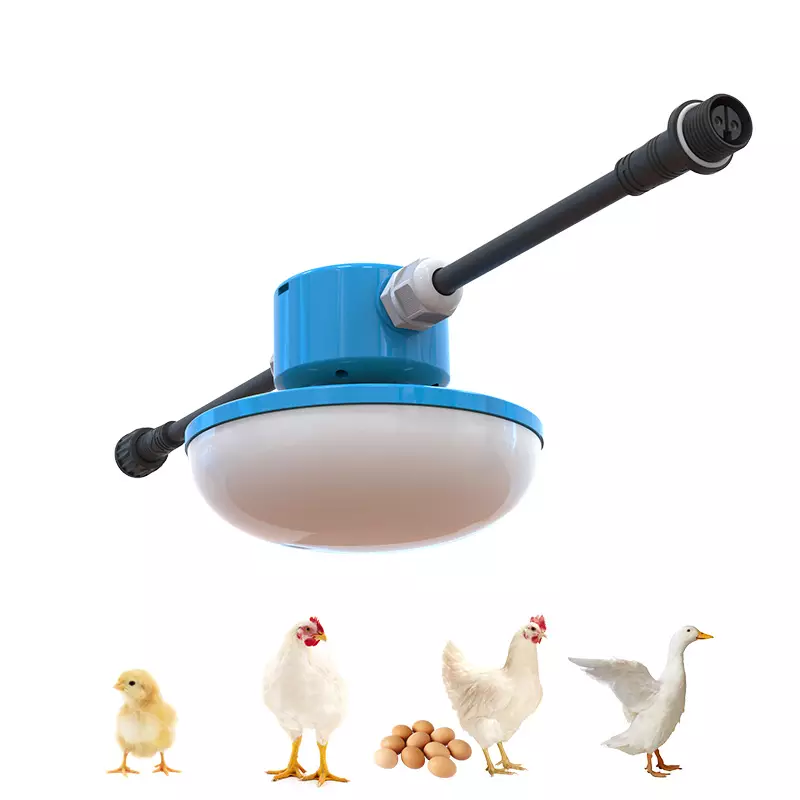
I write from hands-on experience: I’ve overseen installs, swapped out drivers in the middle of winter, and watched fixtures fail months earlier than advertised. Those mornings taught me to ask clearer questions about durability, control, and real-world output. What follows unpacks those questions and shows how to compare options with practical metrics—so you don’t have to learn the hard way. Let’s move from the anecdote into the mechanics.
Hidden Flaws in Traditional Barn LED Lighting
barn led lighting often looks like a simple swap: take out the old bulb, put in an LED luminaire, and enjoy lower bills. In practice, several hidden issues erode those savings. First, many systems rely on cheap drivers and subpar power converters that fail under voltage swings common in rural grids. Second, installers and buyers focus on initial lumen output, not luminaire efficacy or thermal management. The result: early degradation of light output, color shifts, and more frequent replacements. Look, it’s simpler than you think—if you know what to test before you buy.
Why do drivers and power supplies fail so often?
Drivers are the silent workhorses in LED systems. When they’re underspecified, heat builds up and electrolytic components age faster. Add dust, humidity, or poor heat sinking, and you’ve got a recipe for failure. I’ve pulled units that still looked fine on the outside but had weakened drivers that reduced life by half. In short: choose components for real conditions, not lab specs. That means checking driver type, surge protection, and whether the fixture supports a range of color temperature without flicker. These checks save time, money, and headaches down the road.
Future Outlook: Comparing New Principles and Real-World Cases
Building on those flaws, I’ve watched a few clear trends emerge. One is smarter control gear—fixtures that pair efficient drivers with simple networked controls so you can dim, schedule, and monitor performance. Another is modular design: replaceable drivers and sealed optical modules that simplify repair. In trial retrofits I ran last year, combining a sealed luminaire with a quality driver and a basic photocell reduced service calls by nearly 70%—and kept color consistency steady. That’s not theoretical; I’ve logged the results. — funny how that works, right?
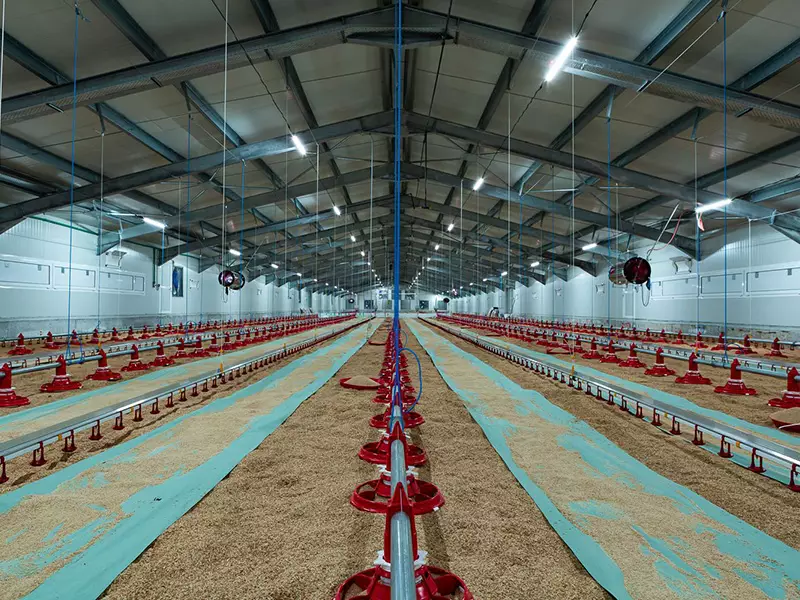
What’s Next for barns and stables?
Expect more focus on maintainability and data. Low-cost sensors and basic telematics can flag failing drivers before light output falls below safe levels. For barn owners, the clear move is to compare whole-system costs: installation, expected lifetime, and serviceability. When evaluating options, I urge you to think beyond wattage and look at beam angle, CRI, and luminaire efficacy as a package. These terms matter because they affect safety, animal comfort, and long-term expense.
To wrap up with actionable guidance—here are three key metrics I use when choosing a barn LED solution: total cost of ownership (installation + predicted service), driver and surge protection rating, and measured luminaire efficacy under load. Test samples under your site conditions if you can. If you want help interpreting specs or benchmarking vendors, I’ll walk you through the steps. For practical, installation-ready products, check resources and partners like szAMB.