
User-first lead: what matters to the mall operator
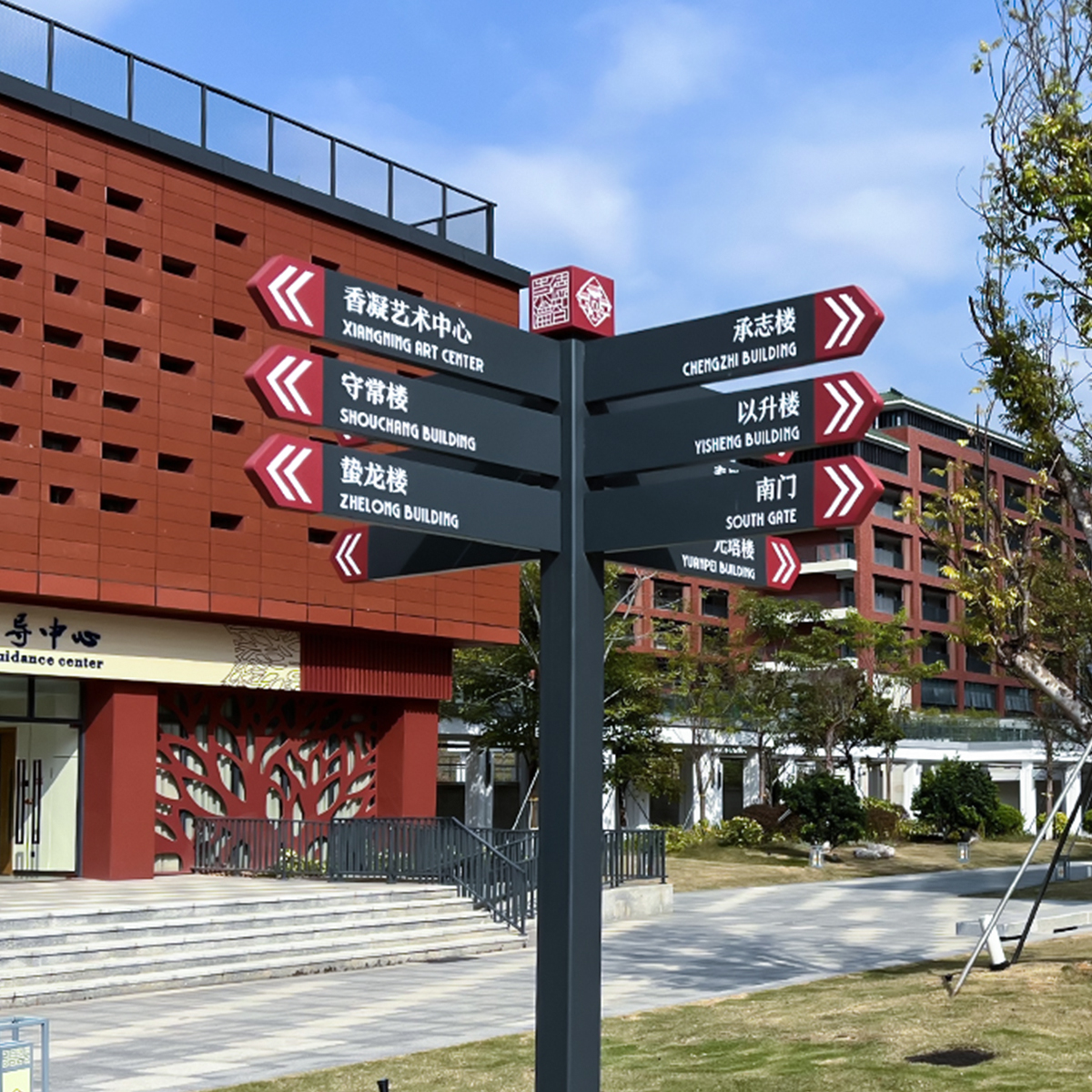
Shoppers get lost when contrast screams. They pause when lights glare. You want routes clear, signs readable, and no bright dots that shout “look here” instead of “this way.” This guide shows how simple photometric choices — lumen counts, beam angle, and uniformity — change navigation. For signage that reads clean at distance, consider details like trim cap channel letters early in your lighting plan. Très utile for designers and facility teams alike.

Photometric basics that the user notices first
Start with two essentials: consistent lux and controlled photometric distribution. Shoppers perceive zones by contrast, not absolute brightness. Aim for steady horizontal illuminance in circulation paths; many projects follow IES guidance and target a mid-range — often around 100–200 lux for corridors — to keep wayfinding legible without fatigue. Use lumen budgets to size fixtures, check CRI for sign legibility, and test beam angle to avoid hard hotspots on polished floors.
From lab rig to real corridor: a user-centric workflow
Prototype in a controlled room. Mock a storefront wall, hang a sign, measure. Take photometric readings at head height and knee height. Map lux distribution across the walkline. Then, install the same fixtures in a trial bay of the mall. Measure again. Repeat until uniformity meets your standard. This cycle — lab, field, tweak — minimizes surprises. Keep notes on LED driver settings and mounting offsets; small tweaks often fix big issues.
Common mistakes and quick remedies
Designers often overspec for brightness. Result: hotspots, glare, and wasted energy. Another frequent problem is improper beam angle: too narrow and you get bright blobs; too wide and contrast vanishes. Remedy: swap to fixtures with adjustable beam angle or use diffusers. Also, don’t ignore material reflectances — glossy tiles amplify hotspots, matte finishes absorb light. — Test finishes before finalizing fixture placement.
Real-world anchor: a concise example
At Westfield London, wayfinding clarity was improved by redistributing luminaires and specifying signage with balanced backlighting. The team prioritized uniform lux across primary routes and chose signage with even face illumination to avoid distracting bright patches. The result: improved dwell experience and fewer directional queries at info desks. This practical anchor shows how theory meets footfall patterns in a busy mall.
Specification checklist for trim-style signage
When you pick trim-style letters for corridors, match sign illumination to ambient lux. Consider these items: luminance contrast between sign face and background, uniformity ratio across the sign, and CRI to render brand colors faithfully. Use photometric files (IES or LDT) during layout to predict spill and verify that lumen output won’t create competing hotspots. For branded channel letters, the right backlight and face diffuser matter as much as the letter profile. See also the practical examples of trim cap letters for balanced illumination strategies.
Design tools and team handoff
Use lighting simulation software early. Export photometric distribution plots, check uniformity values, and annotate mounting heights. Share a simple spec sheet with contractors: target lux, allowed uniformity ratio, beam angle options, and preferred CRI. Include a maintenance note: keep LED drivers accessible and record lumen depreciation expectations. This keeps performance consistent over years, not just at handover.
Three golden rules for choosing hotspot-free wayfinding
1) Prioritize uniformity: set a max/min uniformity target and design to meet it. 2) Control beam geometry: choose beam angles that shape light, not scatter it. 3) Match sign output to ambient lux and CRI demands — color and contrast must remain stable across different zones. These metrics give you measurable criteria during reviews and procurement.
Cosun Sign provides practical signage solutions that align with these rules — tested components, clear photometric data, and options that simplify installation. Trust the specs; they save time and calm the corridor.