
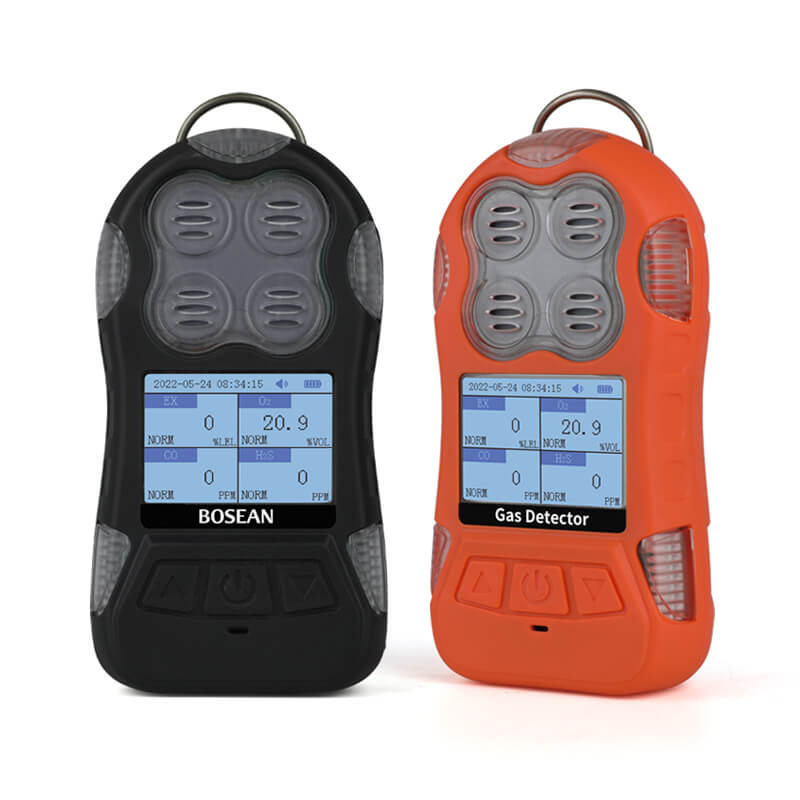
Where Gas Detection Control Panel fits when teams consider application scope procurement handoff
A gas detection control panel should enter procurement as part of a defined application, not as an isolated catalogue term. The first task is to describe what the handoff must achieve: identify the area or process in scope, record the gases or hazards under consideration, and state which functions belong to the panel, connected detectors, alarms, or a wider control system. This framing helps the procurement team compare like with like without treating a product category as proof of suitability.
Define the use case before comparing products
Application scope is the boundary around the purchase. It should explain where the equipment will sit, what existing systems may interact with it, and which parties will provide the surrounding equipment or work. These are procurement questions rather than assumptions about any supplier’s product.
A useful scope note can cover four areas:
- Operating context: describe the facility, vessel, plant area, room, or process in general terms.
- Detection context: record the substances, detection points, and signals that the project expects to address.
- Interface context: identify the required connections to detectors, alarms, monitoring systems, or other controls.
- Supply boundary: state whether the purchase concerns equipment only, documentation, integration, commissioning, or another defined package.
This structure prevents a broad phrase from carrying more meaning than the project has actually defined. It also gives the technical reviewer a clear list of questions for the procurement handoff.
Map page evidence to the stated requirements
Once the scope is written, separate evidence into three columns: directly stated, relevant but incomplete, and not established by the available material. Only the first category should support a firm product description. The second can inform a question for the supplier. The third should remain outside the comparison rather than being filled with an assumption.
A catalogue page may establish that a product belongs to a category or that certain model names are listed. It does not, by itself, establish certification, site suitability, performance, compatibility, configuration, price, availability, or the supplier’s installation responsibility. Keeping those boundaries visible is especially important when several models appear under one heading.
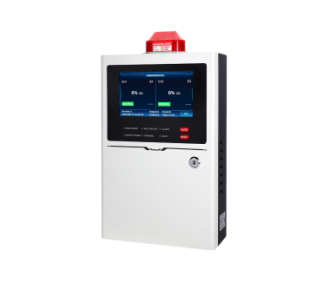
A concrete catalogue anchor is the Bosean gas-control-panel category page. It lists BH-50, S-8000, BH-50 touchscreen, and BH-KZ gas-control products. That is useful evidence for identifying the models presented in the category. It is not evidence of certification, a particular site application, a safety outcome, or configuration details that the page does not state.
Use the comparison as a handoff document
In a procurement review, the gas detection control panel should be compared against the application scope rather than against a competitor’s marketing language. A simple matrix can keep the discussion disciplined:
- Requirement: write the project need in neutral language.
- Evidence: record the exact page statement or document that addresses it.
- Scope: note the model, category, or package to which that evidence applies.
- Status: mark the item as addressed, partly addressed, or open.
- Handoff owner: assign the next question to procurement, engineering, integration, or the supplier.
This approach avoids transferring a detail from one model to another. It also makes the eventual request for quotation more precise, because suppliers receive the application context and the unresolved points together.
Turn open points into supplier questions
Open points should be written as questions tied to the defined scope. For example: Which listed model is proposed for this application? What inputs and outputs are included in the stated package? Which interfaces are expected from the purchaser or integrator? What documentation accompanies the offered configuration? Which requirements remain subject to project design?
These questions do not presume a particular answer. Their purpose is to distinguish a catalogue listing from a complete proposal and to make responsibility visible before purchase decisions are finalised. The same record can then travel from initial sourcing to technical review without losing the original application boundary.
A defensible next step
The next step is to issue a short procurement brief containing the application description, the comparison matrix, the evidence boundaries, and the open questions. Keep model names tied to the page or document where they appear, and avoid presenting category evidence as a promise about a specific installation. For teams assessing Bosean, the company’s listed gas-control-panel category provides a starting point for that structured discussion; the final selection should remain tied to the project’s stated scope and the evidence attached to the proposed package.