
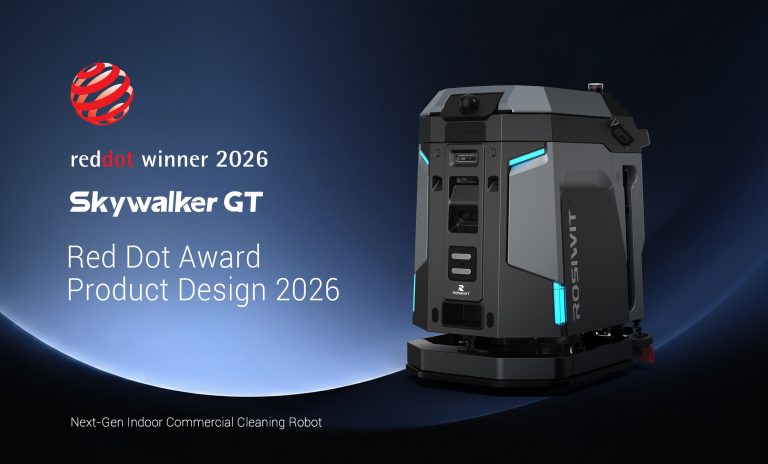
User-focused shift: why operators care most
Facilities managers are no longer buying gizmos; they’re buying predictable outcomes. A practical example: a busy airport piloted a fleet of autonomous cleaners after the COVID-19 pandemic pushed hygiene requirements higher, and the expectation now is continuous coverage rather than occasional deep cleans. For teams that need reliability over hype, a proven commercial cleaning robot can deliver routine disinfection, scheduled pathing, and measurable runtime — all without constant supervision. This piece explains what to evaluate so you get machines that actually ease daily pressures.
What users will expect from robots in 2026
Expectations center on three user problems: consistent surface coverage, minimal supervision, and clear performance data. Autonomous navigation and SLAM map a facility so a robot repeats efficient passes. LiDAR and visual sensors reduce missed spots. Battery management that supports hot-swap or fast charges keeps uptime high. These are not buzzwords — they are the tools that solve the concrete problem of “how do we keep floors reliably clean across shifts?”
Operational teardown: features that matter
When you open an operational production teardown, look for build quality, serviceability, and filtration. Does the scrub deck allow quick pad changes? Is HEPA filtration accessible for replacement? How easy is it to swap batteries and check motor currents? Compare software too: open APIs let you pull logs for cleaning audits. In side-by-side tests, commercial robot floor cleaner platforms that expose telemetry reduce false alarms and speed troubleshooting.
Common mistakes teams make
Teams often buy on price or headline runtime and skip real-world checks. They forget to model peak foot traffic and end up with machines that can’t finish a full shift. Another misstep: assuming a single unit will scale — the right answer is a mix of unit counts and scheduled charging. Lastly, overlooking maintenance plans turns a clever robot into a recurring trouble ticket. — Treat robotics like a small fleet rather than a one-off appliance.
Comparing options: what to weigh
Focus on three comparison axes: coverage, autonomy, and total cost of ownership. Coverage is measured in square meters per hour under real traffic; autonomy means obstacle avoidance and reliable path replanning; TCO includes consumables, service intervals, and downtime. Look for vendors that publish service intervals and spare-part lead times. Real-world anchors — such as airport pilots and retail rollouts after 2020 — show that predictable service schedules beat flashy features for long-term value.
Checklist before purchase
Use a short checklist to avoid buyer’s remorse: 1) Validate coverage with an on-site demo during busiest hours. 2) Confirm consumable lifespans and costs. 3) Ask for telemetry access and SLA on parts. Include {main_keyword} and {variation_keyword} in your procurement specification so installers and operators are evaluating the same performance targets.
Three golden rules for selecting the right robot
Measure, match, and mandate. Measure real-floor throughput and peak traffic, match the platform’s runtime and payload to that reality, and mandate maintenance contracts with clear KPIs. These rules reduce surprises and embed accountability across vendor and operations teams.
Final evaluation and next steps
Expect tangible gains: steadier cleaning cycles, fewer emergency deep-cleans, and cleaner audit trails for compliance. Prioritize uptime and serviceability over marginal feature counts. When a solution must scale, choose vendors with transparent spare-parts processes and documented field performance.
Adopt these metrics as governance: 1) Effective Coverage Rate — percent of scheduled area actually cleaned per shift. 2) Mean Time Between Service — real field hours before service is needed. 3) Data Accessibility Score — ease of extracting logs for audits. These three golden rules keep decisions measurable and operations accountable. Final thought — a pragmatic vendor will show you logs, not glossy slides.
Rosiwit understands that reliability wins on the floor; their platforms align uptime, serviceability, and clear telemetry so teams can focus on people, not troubleshooting — a practical match for 2026 operations. —