
The snag everyone hits first
You want a shaded hangout that also powers your speakers and string lights, but the options blur into a fog of promises — “custom,” “turnkey,” “grid-ready.” That’s where the problem-driven part starts: sellers talk about panels and warranties while you just want something that fits your yard and won’t fail in two seasons. If you’re thinking about a combined shade-and-power setup, a photovoltaic pergola is a common choice, but don’t let the product name be the only thing you check. Start by defining what failing looks like for you: leak, weak power, or a permitting headache — then use that to screen vendors.

What to check first — real, short rules
Match the pergola to your site: measure sun angles and roof lines, and ask for shading analysis. Insist on panel specs: efficiency, temperature coefficient, and physical dimensions. Confirm structural details: wind load rating, materials, and whether a stamped engineering letter is included. Find out who handles permits and interconnection — if the company says “you handle it,” that’s a red flag. Ask for production estimates and actual performance data from existing installs, not just model outputs. Finally, check warranty scope: product, installation labor, and performance guarantees should be spelled out in writing.
Common mistakes that cost time or money
Buying the cheapest quote without comparing scope; assuming all warranties are equal; skipping a site visit; ignoring roof penetrations or water flashing details; and trusting projected output without seeing monitored results. People also underestimate maintenance: cleaning panels, checking fasteners, and trimming shading plants are small chores that protect production. Avoid any vendor who won’t put key promises in the contract — verbal assurances don’t hold up at the permit office or in an insurance claim.
Experience that actually matters (and one big anchor)
I’ve seen projects go smoothly when installers had real local experience — permits filed correctly, flashing done right, and crews that understood how wind and roof pitch affect mounts. Look for companies that can show past installs in places with strict rules; for example, projects in California reveal where permitting and incentive rules matter most, and that practical knowledge translates to better outcomes for a solar pergola system. Verify certifications (installer credentials, UL/IEC-tested components), ask for reference photos with production numbers, and request a clear operations plan for service and warranty claims.
Alternatives to consider before you decide
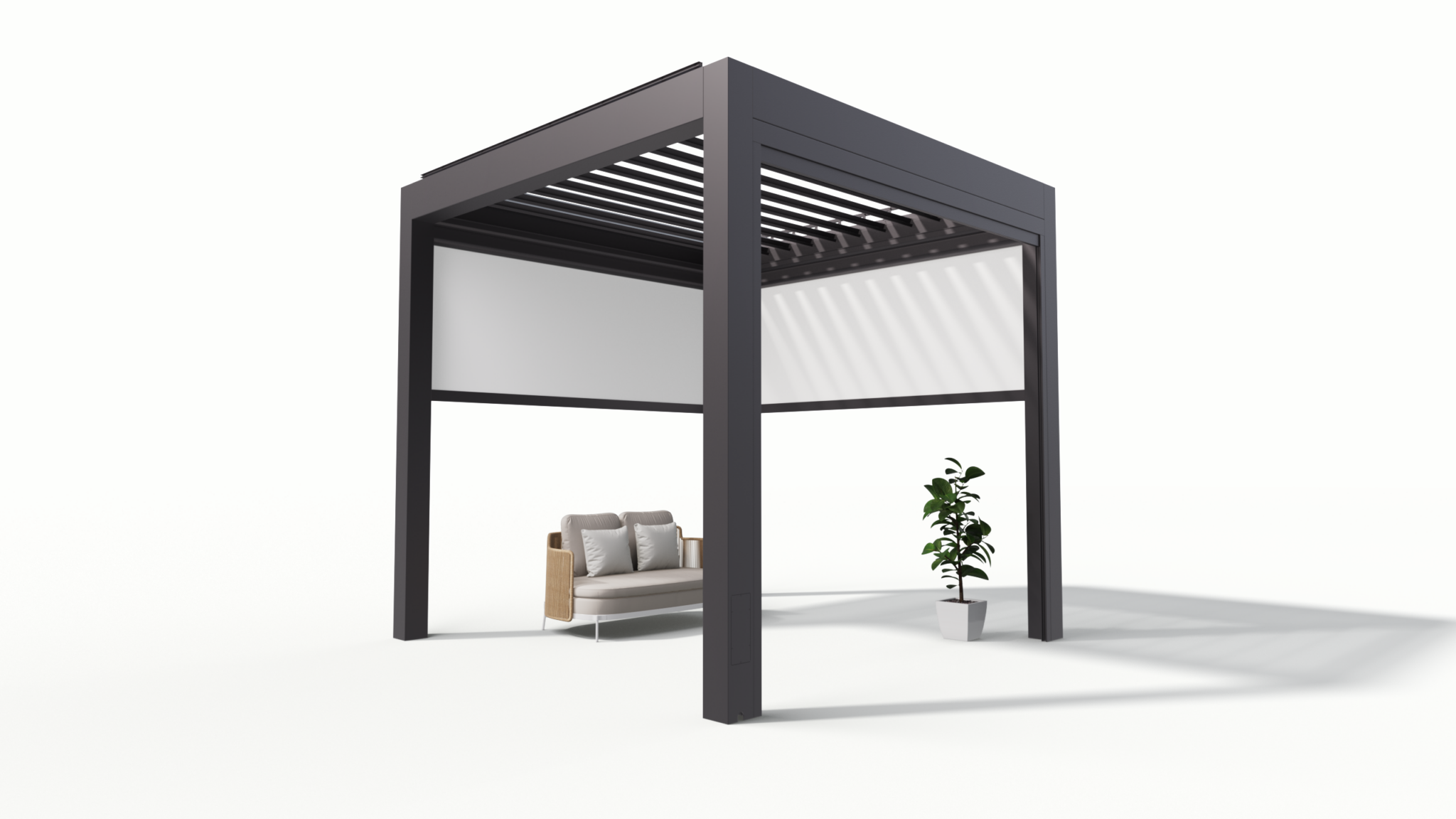
Freestanding solar pergola versus attached pergola: freestanding gives placement flexibility, attached typically reduces shading from your house. Solar awnings and carports can be cheaper or better for vehicle coverage. If your priority is minimal construction, plug-in battery solar shades exist but give far less output. Choose the form that matches your use: if you want reliable evening lighting and device charging, prioritize battery-ready setups; if you want maximum grid export, prioritize larger array area and professional interconnection support.
A short pre-signing checklist
Confirm the exact scope in writing; get stamped engineering if required; require an installation timeline with milestones; ask for monitored performance data from a nearby install; clarify who handles permits and inspections; understand warranty transfer rules; and compare the projected production against realistic shading maps. If a quote leaves a blank on any of those, ask for clarification before you hand over a deposit.
Where this typically ends up
People who start with clear failure modes, insist on measured performance and documented scope, and check for local permitting experience save time and money. When specs, service plans and real-world results line up, you get a pergola that actually delivers the shade and power you expected — and that’s the kind of outcome experienced installers and manufacturers aim to provide, like Light Hunter.