
Myth-Busting the Obvious
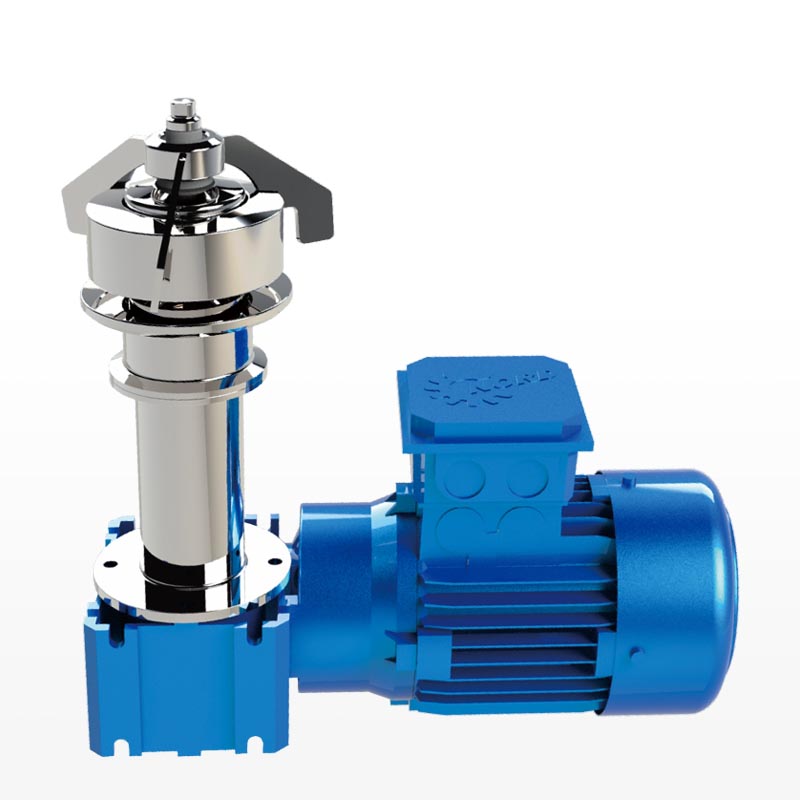
Permit me a polite correction: brand name alone does not equal trouble-free operation. If you arrive at procurement meetings armed only with logos and optimistic budgets, you will learn humility quickly — especially when the formula your line depends on needs a precise shear profile. Look instead for proven performance in machines like high shear batch mixers, and then read what follows with the delighted skepticism of someone who pays for maintenance by the hour.
Common Myths and the Short Answers
Myth: A higher price guarantees longer life. Short answer: no. Myth: Certifications are a stamp of turnkey reliability. Short answer: certificates are useful evidence, not warranties against design flaws. Myth: Bigger equipment is always more reliable. Short answer: a mismatched giant is simply an expensive problem. These are not theories; they are repeated purchasing sins. The right response is to decode what each claim actually delivers for your process, not to accept the PR version.
Concrete Criteria You Can Use Right Now
Demand raw data. Ask for FAT (Factory Acceptance Test) records, torque vs. rpm curves, shear-rate maps, and repeatability reports. Verify maintenance accessibility: can seals be replaced without full disassembly? Confirm spare-parts lead times and whether common wear items are modular. Check welding and surface finishes against the product your plant handles. Require a defined MTBF (mean time between failures) and a clear service SLA from the vendor. If they flinch, you have leverage.
Experience, Evidence, and a Real-World Anchor
I’ve audited installations used by pharmaceutical production in Basel, Switzerland, where regulators and supply chains leave no room for sloppy mixers. Those audits focused on documented performance under viscous loads and on-site sanitation cycles. Seek third-party test reports, vendor-provided pilot runs, and traceable material certificates. Compare that evidence with a working batch mixer machine evaluation plan: small-batch trials, documented cleaning validation, and measurable product quality before and after scale-up. That combination — documented tests, field references, and traceable parts — is what separates talk from contract.

Usual Pitfalls and How to Avoid Them
Buyers often accept vendor-provided test conditions that are friendlier than their process. Insist on tests that match your viscosity, solids loading, and cycle time. Don’t ignore service geography: a local technician tomorrow beats a factory engineer next month. Avoid vague warranties; require clarity on labor and parts. Don’t forget controls compatibility — an elegant machine that refuses to speak to your PLC is an elegant paperweight.
Final Synthesis
An impeccably phrased purchase order is useful only if it is backed by measurable machine behavior, accessible servicing, and documented evidence. Treat claims like hypotheses: demand data, require trials, and insist on maintenance transparency. The result is predictable: fewer surprises, fewer emergency calls, and equipment that keeps your process honest. That practical standard is also what you should expect when you consider suppliers such as FLUKO.