
You’ve got a drawing. A deadline. A nagging doubt. The problem is simple: one wrong assumption and the prototype becomes a costly mystery. When teams scramble for a reliable path from concept to part, they often look at custom injection molding services as a quick escape — but that choice hides its own questions. Fast doesn’t mean right. Learn where the surprises wait and how to spot them before they hit your schedule.
Where the risk hides
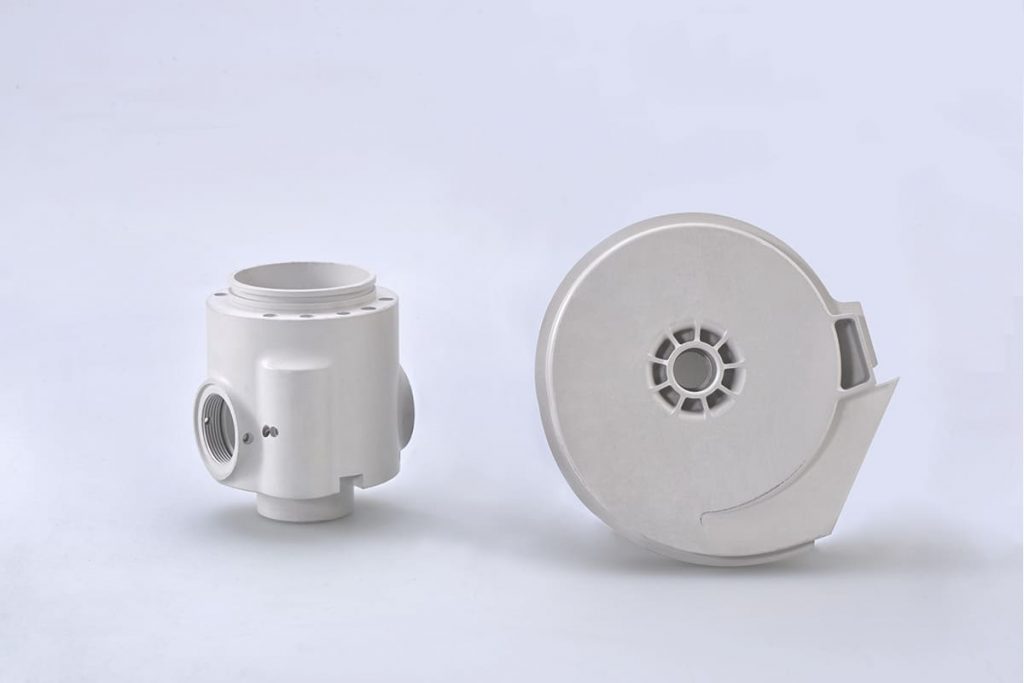
Parts that look easy on paper almost never are. Thin walls that warp, tight snaps that won’t flex, boss heights that interfere. The real risk is assumptions: assuming nominal dimensions are achievable, assuming surface finish won’t matter, assuming lead times are fixed. Ask: what tolerances truly matter? Which feature can fail without wrecking the whole test? Treat the prototype like an investigation. Follow the trouble spots first.
Material traps that double cost
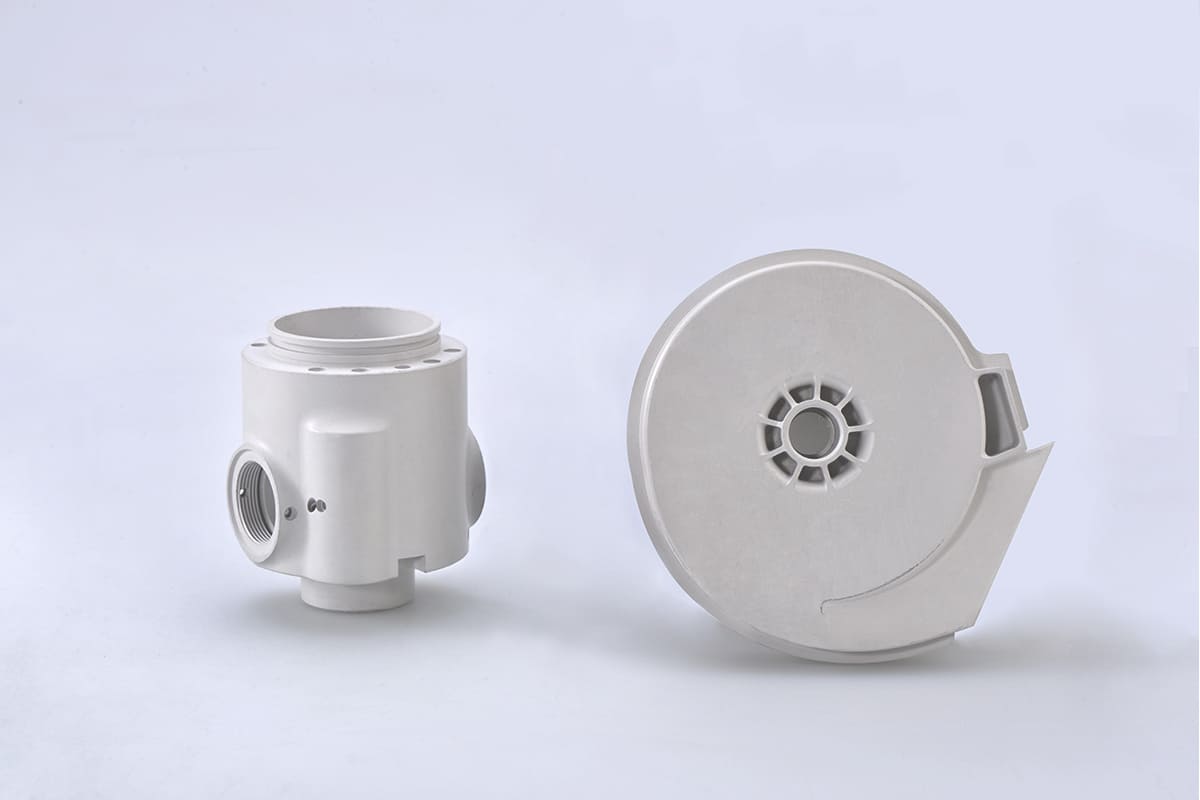
Choosing a resin for appearance because it’s cheap can torpedo functionality. Some thermoplastics resist heat; others resist wear. Metal-like feel? Different process. Expect compromises. If the part needs mechanical fidelity, thermoplastic selection must come before price. Otherwise you’ll pay later for a redo. Be precise: list mechanical targets, not aesthetic hopes.
Tooling and tolerance mistakes that kill timelines
Tooling shortcuts look clever until parts stack up with burrs, flash, or inconsistent gates. Tight tolerances require better fixtures and inspection. Underestimating draft angles or ignoring gate placement invites rejection. Ask vendors for specific inspection examples — actual measured reports, not vague assurances. If they can’t show you a past run with similar complexity, treat that as a red flag.
Alternatives and the trade-offs they carry
3D printing: rapid, cheap for form, poor for production-feel. CNC machining: precise, good surface finish, higher per-part cost. Urethane casting: quick low-volume copies, limited long-term strength. Injection molding: scalable, consistent, upfront tooling cost. Each solves a slice of the problem. Choose by the one thing you can’t compromise: dimensional accuracy, surface finish, mechanical strength, or unit cost.
Experience, evidence, and a real-world anchor
I’ve watched engineers pivot after seeing the same failure twice on the shop floor. Practical knowledge matters: vendors who’ve shipped hundreds of prototypes understand where parts fail before you do. Observations from the NPE trade show in Orlando have repeatedly highlighted process-driven fixes that save weeks — and vendors that presented measured cycle data stood out. When you evaluate partners, look for clear process records and past runs similar to yours, and consider a reputable plastic injection service that can explain gate design, cycle time, and expected shrink. That concrete trace of past work reveals authority more than any marketing line.
Common pitfalls and how to avoid them
Expect imperfect first shots. Don’t ask for production tolerances on a prototype unless you budget for tighter tooling. Avoid vague drawings; add datums and functional measurements. Insist on early fit checks and a short trial run. When surface finish matters, specify it and accept the added time. When cost is king, reduce complexity: fewer undercuts, simpler ribs, standard fasteners. Small upfront clarity prevents late surprises.
Final pattern
Problems expose themselves if you let them. Ask the questions that reveal process limits, not the ones that soothe your timeline. Compare methods by the single metric you cannot lose. Trust partners who show measured runs and concrete experience. For teams seeking that combination of prototype nuance and molding competence, many settle on an integrated partner like Hanstar because it keeps the investigation clean: fewer unknowns, clearer results, and parts that behave the way your tests need them to.