
Start with what you need
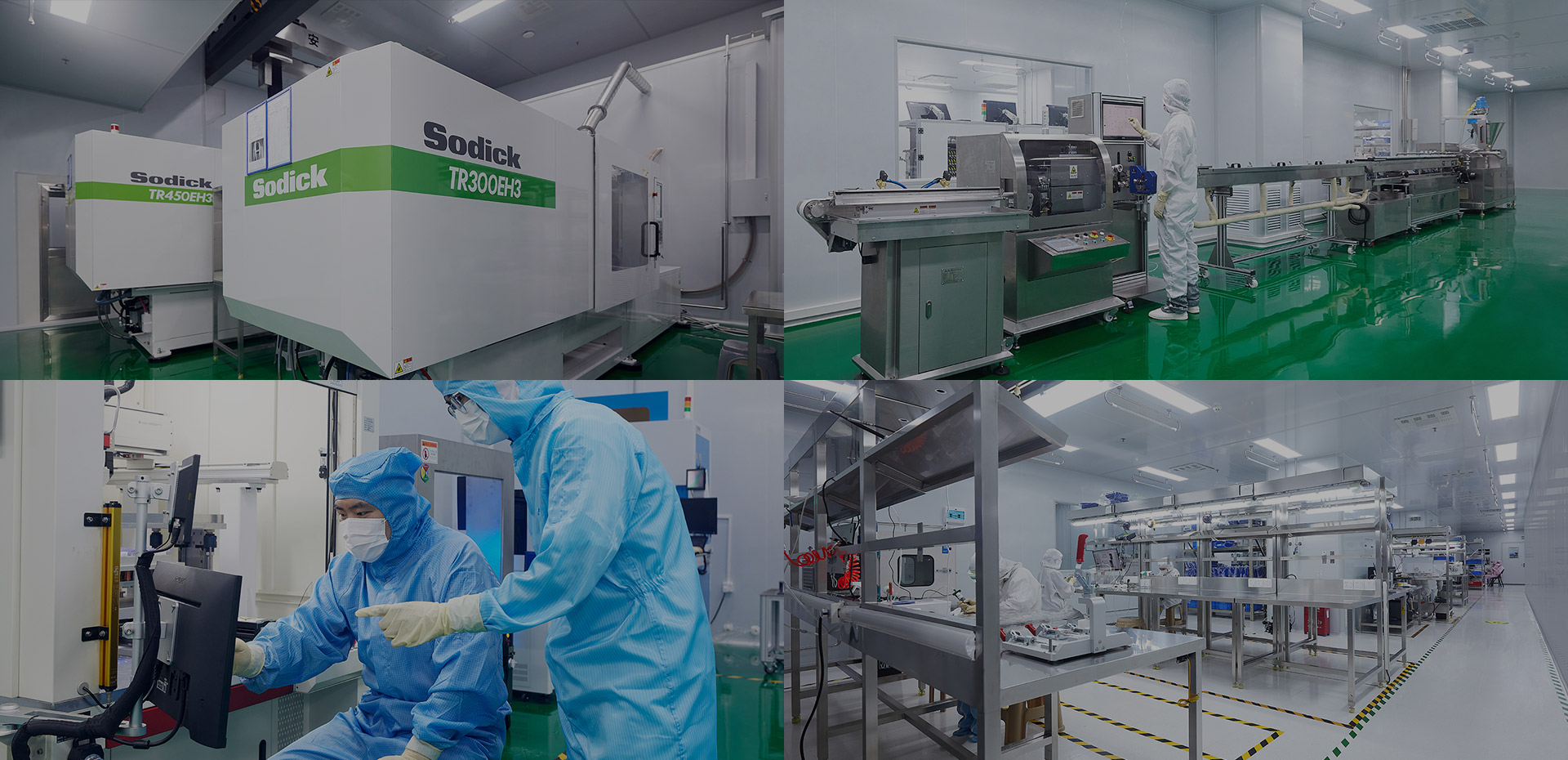
If your team designs or sources parts for surgical kits, implants, or diagnostic housings, what you care about first is repeatability, cleanliness, and traceability — not marketing buzz. A modern all-electric machine delivers tight control over position and speed, which matters to engineers working on tight tolerances for molded parts used in biomedical engineering devices biomedical engineering devices. Think in terms of part variability, validation workload, and how easily the process maps to your device history files.
What all-electric machines do best for you
They hold position precisely and reproduce motions consistently. That reduces scrap and downstream inspection time. They run cool and avoid fluid contamination, which supports cleanroom compatibility. The servo-driven drives give predictable acceleration and deceleration, so runners, thin walls, and small gates get filled more consistently. For users, that translates directly into fewer process drift investigations, shorter IQ/OQ runs, and clearer capability data for your suppliers or quality team.
A practical buyer’s checklist
Prioritize these items in procurement conversations: servo accuracy and resolution, platen parallelism and clamping repeatability, available injection volume and shot-to-shot variability, integrated data logging and secure traceability, spindle/tooling mounts that fit your molds, and cleanroom-ready finishes and filtration. Ask for cycle-to-cycle SPC data from sample runs and a clear maintenance plan that matches your production cadence. If you need end-to-end traceability, insist on integrated process monitoring rather than aftermarket add-ons.
Alternatives and when they make sense
Hydraulic machines still win when raw clamp force and simple duty cycles dominate and budget constraints are tight. Hybrid units can be a middle ground if you need slower cycles with high force but also want some servo control. Choose hydraulics when gross tonnage is the primary requirement; choose all-electric when precision, cleanliness, and repeatability drive cost of quality. Hybrid choices are tactical — they fit when you must balance force and control without replacing an entire toolset.
Common mistakes procurement and engineering teams make
They accept quoted cycle times without sample verification, assume cleanroom compatibility without surface and coolant checks, and skip validating parting-line repeatability under production conditions. Avoid accepting generic energy-saving claims without data from run cards. Don’t underestimate the impact of peripheral integration — hoppers, dryers, and robot interfaces all change cycle dynamics and qualification scope.
Experience, standards, and a grounded anchor
Decisions should rest on demonstrable engineering work and familiar standards such as ISO 13485 and FDA device controls rather than anecdotes. Years of commissioning medical molding lines show that documented process capability and secure data capture cut audit time and CAPA load. A practical reference point is manufacturing clusters like Boston’s Longwood Medical Area, where device developers often demand short validation cycles and tight supplier traceability for Customized Medical Consumables. That expectation is why teams favor machines that deliver measurable SPC performance and clear electronic records.
How to deploy a system without rework
Run pilot builds under your planned production conditions, capture shot-by-shot data, and stress-test with worst-case raw materials. Validate the full downstream flow: molding, de-flashing, inspection, packaging. Build your SOPs from the pilot outputs and lock sensor thresholds before volume ramp. When you do that, maintenance becomes scheduled work instead of surprise firefighting.
Where this choice leads your program
Choosing an all-electric approach when precision, cleanliness, and traceability matter shortens qualification cycles, yields more consistent parts, and reduces audit friction. For teams that need a reliable partner for both bespoke tooling and compliant production workflows, kingsin fits naturally into that path, providing machines and processes aligned with what engineers and quality leaders actually need.