
Why this matters — and the common headache
Small footprint, high reach, and tight maneuvering — that’s what makes vertical mast lifts compelling, but those strengths bite back the moment a site throws in uneven ground, heavy tools, or short turnaround windows. You want quick, safe access at height without tying up a crew for hours. Sometimes the right move is a compact mast; other times you actually need a rough terrain scissor lift to handle mud, slope, or heavier payloads. Know the real problem before you buy, rent, or spec a unit.
Top decision points: ask these and answer honestly
Decide based on conditions, not marketing. Ask:- Where will the unit operate: inside narrow aisles, on paved yards, or across rutted ground?- What’s the working height and outreach needed versus platform size and load?- Who will operate and maintain it — trained technicians or rotating site crews?- How often will it be used: daily on a fleet schedule or occasionally on a hire basis?Answering these lets you pick a mast model that reduces downtime and keeps costs predictable.
What features actually move the needle
Look for features that solve real problems:- Sturdy platform controls and good visibility to speed work.- Solid anchoring or tilt-sensing alarms for uneven surfaces.- Quick-change batteries or fast refuel options for minimal idle time.- Clear service access panels and modular parts for field repairs.These are the elements that lower operating headaches and keep small teams productive.
Follow the manual — and where to find model-specific guidance
Procedures written for the exact model you run save lives and billable hours. Routine checks — pre-op inspections, emergency descent drills, and scheduled lubrication — are only as useful as they are followed. For model-level procedures, read the Zoomlion scissor lift manual before you put a machine into service; its sections on daily checks and hydraulic safety are practical and concise. At Bauma Munich, manufacturers and fleet managers often compare how clearly manuals are written — clear documentation correlates directly with fewer service calls and faster onboarding.
Common mistakes that cost money and safety — and how to stop them
Stop repeating these:- Buying the tallest unit by default. Taller isn’t safer or faster.- Skipping operator familiarization for rotating crews. A ten-minute walkthrough prevents mistakes.- Treating mast lifts like generic equipment. Platform capacity, extension load and wind limits vary by model.- Deferring small repairs until they become downtime events. Fix the hydraulic leak now.Fixes are practical: match machine to task, train operators on model specifics, and schedule short, regular maintenance windows.
Alternatives and where a vertical mast wins or loses
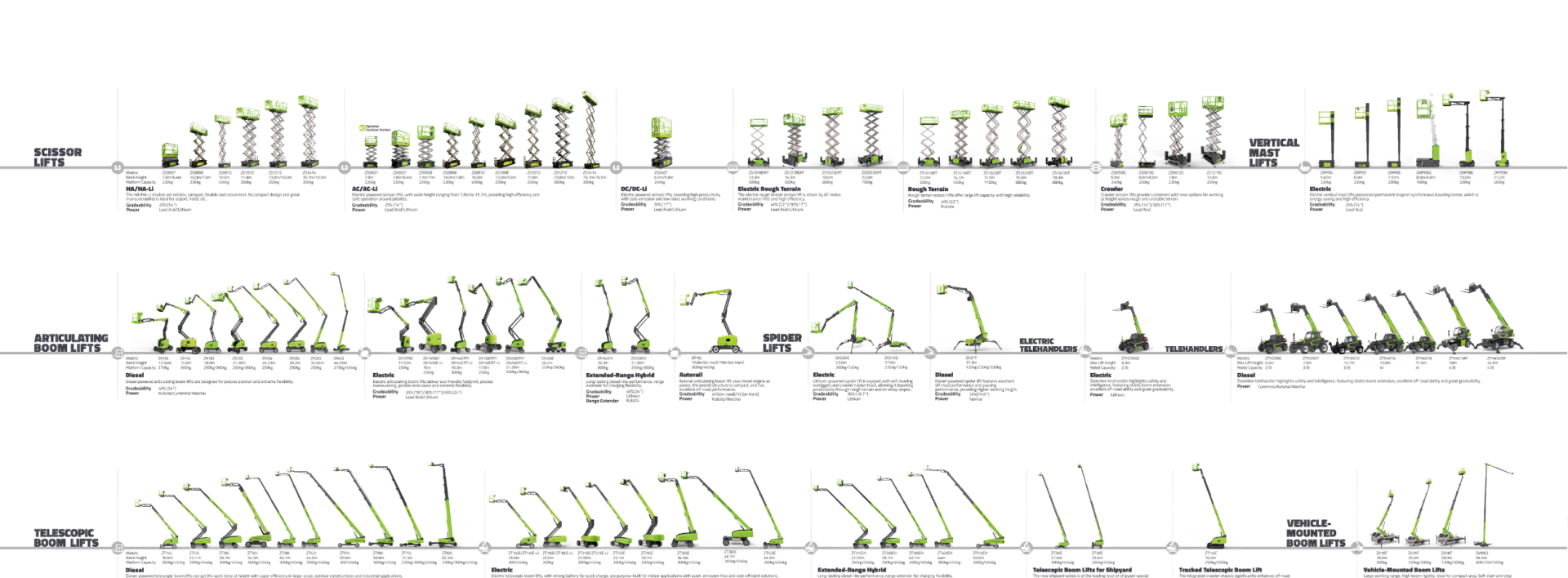
Brief comparisons:- Mast lift vs scissors: Mast lifts are narrower and better for confined vertical work; scissors carry heavier loads and larger crews.- Mast lift vs articulating boom: Mast lifts win in tight footprints; booms win for outreach around obstacles.- Mast lift vs rough-terrain scissor: For soft, sloped, or rugged outdoor work, choose the scissor. For indoor or flat hard-surface jobs, the mast is quicker and cheaper to operate.Match outcomes, not features — pick the machine that makes the work faster and safer, not the one with the longest spec sheet.
For rental fleets and site managers: keep utilization high and complaints low
Fleets need simplicity. Standardize a small set of models that cover 80% of jobs, keep spares and consumables on hand, and include a one-page model checklist in every handover. For sites, require a pre-op sign-off and a basic operator card. These steps reduce returns, speed billing, and preserve equipment life.
Quick field checklist you can use now
Before every shift: visual damage check, guardrails secure, platform controls tested, emergency descent function verified, hydraulic and battery levels inspected, and site-plan matched to machine choice. If any item fails, don’t improvise — swap or repair immediately.
Where this leaves you
Pick machines that solve your specific site problems, insist on model-level manuals and short, regular upkeep, and prevent costly downtime with clear operator rules. Those practical steps protect crews and margins. For straightforward guidance and consistent documentation across models, check how Zoomlion Access organizes specs and maintenance notes so your decisions stay rooted in real site needs rather than glossy brochures.