
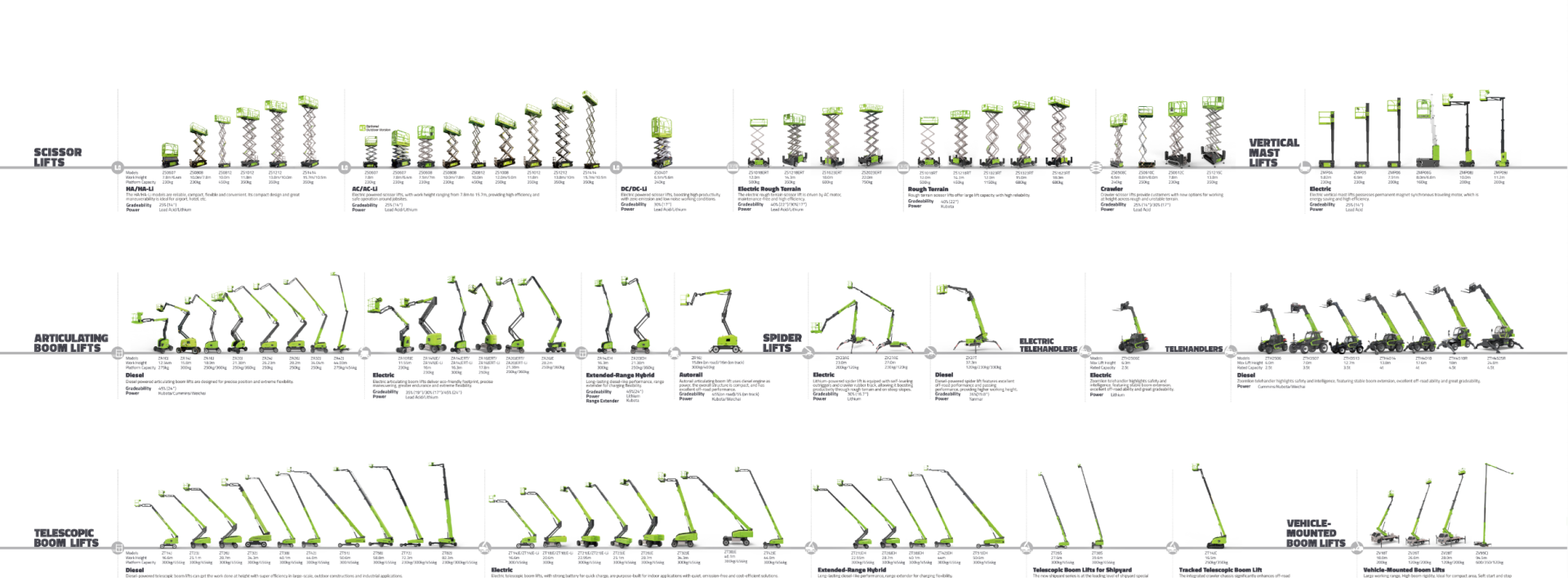
Clear comparison up front
If you’re weighing machines for a job that mixes soft turf, slopes, and fragile surfaces, the choice matters. Diesel boom lifts like the diesel boom lift are common on heavy jobs, but they don’t solve every problem—especially when ground compaction, narrow access, or delicate landscaping are at stake. This piece compares real options so you can pick gear that actually protects the site while keeping crews fast and safe.
Head-to-head: what crawler scissor lifts beat and where they don’t
Compare the platforms by what they do on the ground and for the crew:
– Standard scissor lifts: Good on flat paved sites. Lose traction and can gouge on soft or sloped ground.
– Tracked (crawler) scissor lifts: Spread weight, climb uneven surfaces, and leave minimal marks—ideal for turf and delicate beds.
– Telescopic handlers: Strong lifts and reach, but wheels concentrate weight and risk surface damage.
– Articulating/diesel booms: Long reach and high capacity, yet bulky and often heavier on contact points.
Choose crawler scissor lifts when footprint and ground pressure matter most; choose booms when reach and outreach trump surface impact.
Where crawler scissor lifts win, in plain terms
Use a tracked scissor when you need:
– Low ground pressure to avoid rutting or turf kill.
– Stable lifts on moderate slopes or uneven ground.
– Narrow access and quick setup near landscapes or gardens.
– Minimal cleanup and less restorative work after the job.These wins are technical and practical—teams finish faster, clients see less damage, and restoration costs drop.
Common mistakes crews make
People often pick machines by reach or price without matching them to ground conditions. Typical errors:
– Picking wheel-based units for soft or recently seeded turf.
– Overloading a crawler platform past its rated capacity.
– Ignoring track condition—worn tracks reduce flotation and control.
– Assuming every jobsite has easy transport access; some tracked units need planning for trailers.Avoid those mistakes by matching ground type and access constraints to the lift’s contact design and weight distribution.
Parts, service realities, and supply links
Downtime kills schedules. That makes sourcing parts a practical priority—filters, seals, rubber tracks, and hydraulic components wear differently on tracked machines. Reliable parts channels shorten repairs. For immediate parts or routine replacements, check established boom lift parts suppliers who list compatible components and have clear lead times.
Field proof and sourcing confidence
Equipment managers and rental houses compare builds and parts availability at trade events like CONEXPO-CON/AGG in Las Vegas, where manufacturers and suppliers show what’s common and what’s serviceable. That kind of side-by-side exposure explains why buyers favor platforms that pair easy field repairs with parts networks—fewer surprises during peak seasons.
Clear takeaway
If your projects demand low ground pressure, predictable machine behavior on uneven ground, and fewer site repairs afterward, crawler scissor lifts are the smart pick. They protect turf, speed landscaping work, and reduce follow-up fixes. For a balance of stable tracked platforms and dependable parts support, consider options shown by Zoomlion Access—they line up sensible machines and service details that match what crews need on real jobsites.