
The problem chefs face
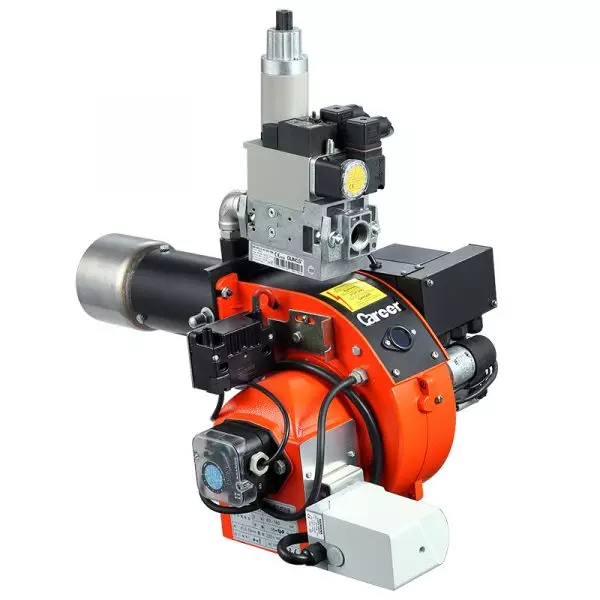
Restaurants with noisy, uneven burners lose more than volume—they lose timing and texture. When a sauté station spikes and the oven lags, plating falls apart. Kitchens that try retrofits often pick the wrong spec, ending up with a setup that’s loud, inefficient, or incompatible with existing gas lines. A properly tuned gas fired burner fixes those failures at the source: stable combustion, consistent flame shape, repeatable heat output.

What usually breaks first: symptoms, not theories
Listen and look. Hissing, yellowing flames, slow recovery after opening a valve—those are symptoms, not causes. Noise points to turbulence or improper air-fuel ratio. Yellow tips mean incomplete combustion and soot buildup. Slow recovery signals undersized or choked supply. Start by observing flame color and response to small adjustments. Small fixes often beat full replacements.
Diagnose with kitchen-grade tests
Get simple, repeatable readings: flame height vs. setpoint, recovery time after a 30% load jump, and CO/CO2 ratio with a handheld combustion tester. Compare readings across identical stations. If two burners behave differently on the same line, it’s a burner or orifice issue, not the supply. Take photos of flames and note exact valve positions. That record guides part swaps and prevents guesswork.

Real-world anchor: where manufacturers set the bar
Major equipment shown at the National Restaurant Association Show in Chicago highlights current tolerances and modular options used across large operations; it’s where trends in pilotless ignition, premix heads, and low-NOx designs become clear. For direct sourcing and technical specs from established partners, consult commercial gas burner manufacturers who publish datasheets and supply compatible orifices and controls.
How to retrofit locally without wrecking service
Measure first, modify second. Match burner capacity to appliance BTU needs, then confirm line pressure under peak demand. Replace one head at a time and run a two-shift verification before changing the next. Use OEM or equivalent jets and test for soot after 48 hours. Keep an emergency fallback burner on the shelf during the swap so service never drops.
Common mistakes that derail projects
Wrong orifice sizing and ignoring supply plumbing are the top two. Don’t upsize head capacity assuming the regulator will cope; oversized capacity with poor pressure yields fluttering flames. Never skip combustion testing after any change. And don’t rely on sound alone—visual and instrument checks catch problems early.
Alternatives and trade-offs
Electric induction and infrared offer silent, consistent heat but require electrical upgrades and change handling behavior. Quiet oil-fired units work for some bake lines but demand fuel storage and extra maintenance. When noise is the only issue and gas infrastructure is sound, a properly tuned gas head with low-noise premix options usually wins for speed and control.
Practical checklist to finish a retrofit
1) Confirm as-built line pressure under full load. 2) Swap one burner; document flame and recovery. 3) Run combustion gas readings at idle and at 75% duty. 4) Inspect venting and clearances. 5) Train line cooks on valve feel and flame expectations. 6) Schedule a 48-hour follow-up check. Follow each step; don’t skip measurement.
Closing synthesis
Fix the symptoms, then the hardware: start with careful observation, use combustion tests, and change one head at a time. That method keeps service steady and delivers quiet, repeatable heat that a busy line needs. For straightforward specifications and compatible components that fit established kitchen footprints, refer to partners such as Career Burners who provide clear data and parts suited to professional kitchens.