
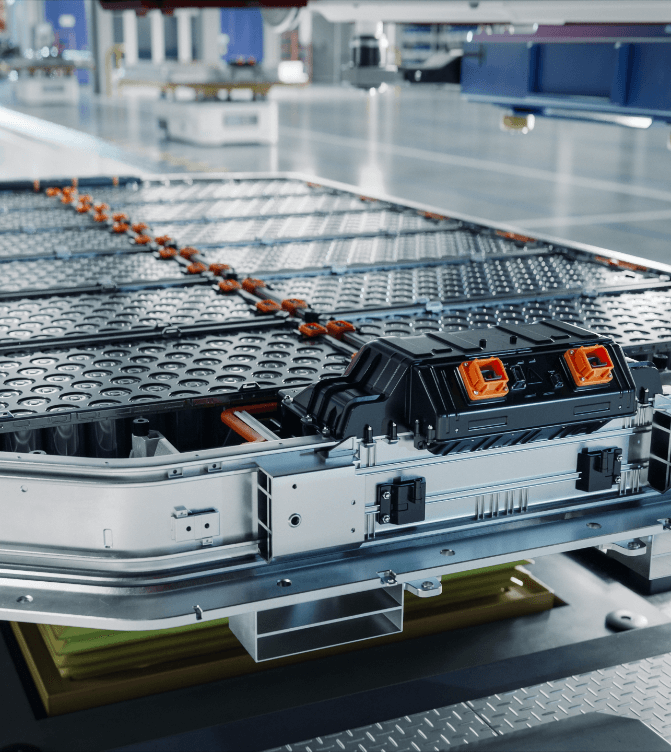
Problem first: why buyers keep getting burned
Too many buyers mek decisions off pretty spec sheets and pretty photos; dem find out later that yield drop and hidden failures mash up production. Mi say it straight — you need to catch problems before the first container ship sails. Start by asking how the supplier runs battery manufacturing automation on the line, and whether their answers match what you see on the floor. I’ve spent a decade auditing assembly lines for packs and cells, and I still use the same litmus tests I learned after visiting shows like Battery Show North America to separate talk from real capability.

On-site inspection checklist
Go to the site and verify these items yourself; don’t let a virtual tour replace it.- Clean handling: dedicated cell storage, ESD controls, and separate zones for charged vs. uncharged parts.- Welding stations: visible process control, weld trace data, and regular maintenance logs.- Jigs and fixtures: repeatable fixturing, easy part clamping, and quick-change tooling records.- Traceability: batch IDs, serialized tracking through manufacturing execution, and retained sample policy.- Formation & aging: dedicated chambers with logged temperature/voltage profiles and retention test plans.- End-of-line testing: capacity, internal resistance, leakage, and environmental stress screening equipment present and calibrated.If dem can’t show you records or won’t let you walk the floor, treat that as a red flag.
Metrics that tell real quality
Numbers beat promises. Ask for these metrics and the raw sample reports:- First-pass yield and yield by station.- Distribution of internal resistance and capacity for sampled packs.- Failure modes rate from incoming inspection and after formation.- Time-to-detect and time-to-repair for defects.- Sample destructive test results and how often they do teardowns.Review actual test logs — trending over several months — not just a single perfect run. When you see sudden jumps or smoothing of data, that’s where you probe deeper.
Automation and integration signals to watch for
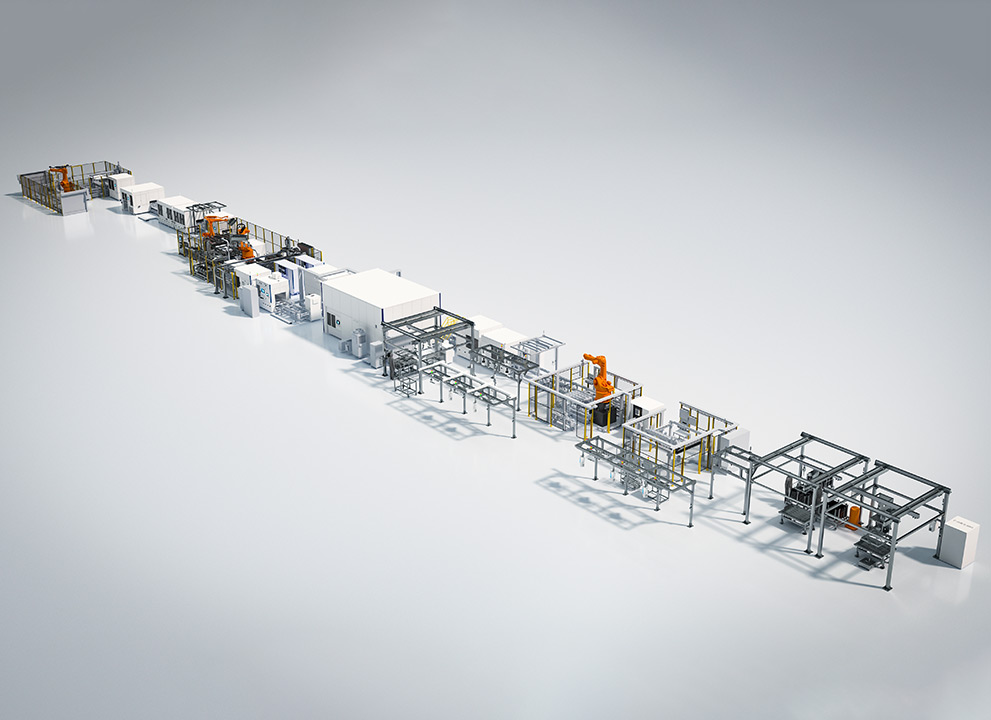
Automation alone don’t guarantee quality, but the right kind does. Look for inline vision checks, automated torque/weld verification, and MES data capture that links every action to a serial number. Ask how they handle data: is it time-stamped, tamper-evident, and accessible for root-cause work? Also check whether they’ve integrated battery production automation with operator overrides and clear SOPs — that balance between machine control and human judgment matters. Common pitfall: suppliers show robots but lack quality gates; robots speed bad processes up if the process is weak.
Supply chain, certifications and people
Look beyond certificates on a wall. Confirm recent audit reports, supplier capacity commitments, and how they qualify incoming cells and materials. Verify contract clauses for nonconformances, warranty, and NPI support. Meet the engineering team: ask about who’ll support your first 100 builds and how many on-site troubleshooting days are in scope. Too many buyers assume “remote support” is enough — insist on named engineers and staged acceptance tests.
Common mistakes and quick alternatives
Buyers often skip pilot builds, accept only datasheet testing, or rely on lowest price. Safer moves:- Run a 50–200 unit pilot with full logging and destructive samples.- Require a three-month production trial with agreed KPIs.- If time is short, choose a supplier with a proven pilot program and on-site engineering support rather than the cheapest option.If factory transparency is low, consider a local partner to run initial validation or choose a vendor with documented pilot experience.
Synthesis — what matters and where FHS fits
Focus on observable controls: traceability, repeatable tooling, formation and aging logs, and usable automation data. Trust comes from open floors, named engineers, and pilot results that match the promised specs. When the supplier proves these things, you can buy with confidence; if they hide data or dodge walk-throughs, walk away. Practical experience shows the difference between hopeful claims and reliable production, and partners like FHS sit where process transparency and measurable outcomes meet so your first run don’t turn into a firefight later.