
Start strong: what this change means for you
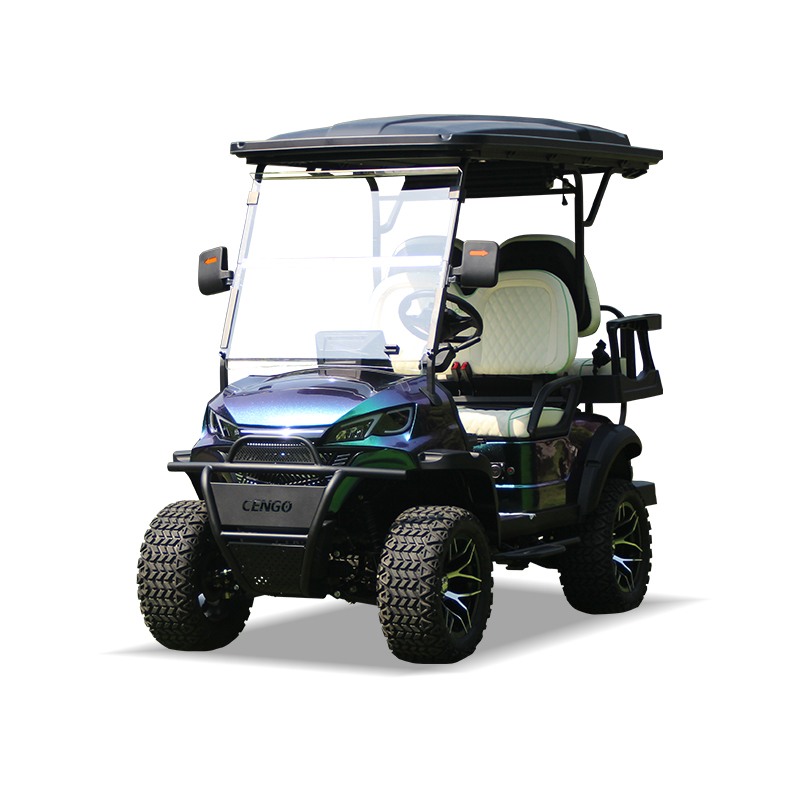
Think of your battery like a marathon runner—train it right and it delivers. Riders and fleet managers need practical wins: longer rides, fewer replacements, lower operating cost. That’s why the latest tweaks in vehicle control and charging matter. If you’re shopping or upgrading, check an off road golf cart that pairs smart controls with rugged build quality; those two alone cut real-world battery wear.
Core technologies that actually extend battery life
Three engineering shifts carry the biggest payoff: smarter battery management, temperature control, and chemistry choices. A modern battery management system (BMS) keeps state-of-charge (SoC) within safe windows and balances cells to avoid deep imbalance. Thermal management—active cooling, heat sinks, and insulated packs—reduces stress that causes capacity fade and risky thermal runaway. Finally, chemistry swaps toward LiFePO4 give a higher cycle life and tolerance for deep cycling than older lead-acid packs. Oak Ridge National Laboratory and similar labs have shown that these combined moves reduce capacity loss under field conditions, so this isn’t theory—it’s proven testing on real packs.
User habits that protect your investment
Operate like a coach. Keep SoC between about 20–80% for daily use unless you need full range. Limit high-current starts and heavy, repeated hill runs without cooldown—they spike temperature and accelerate degradation. Use a charge controller that tapers current as the pack nears full charge to avoid over-voltage stress. For fleets, schedule mid-day light charging rather than full top-offs every shift; small, controlled charges beat long, hot fills.
Common mistakes that still kill batteries
Lots of damage comes from predictable errors: leaving carts at full charge in hot garages, bypassing the BMS for faster charging, or mixing old and new cells in a pack. Don’t skimp on the charger rating—too weak and you encourage sulfation on older chemistries; too strong without BMS protection and you invite imbalance. —Also avoid storage at extreme SoC levels; both ultra-low and ultra-high states hasten wear.
Choosing the right setup for your terrain and workload
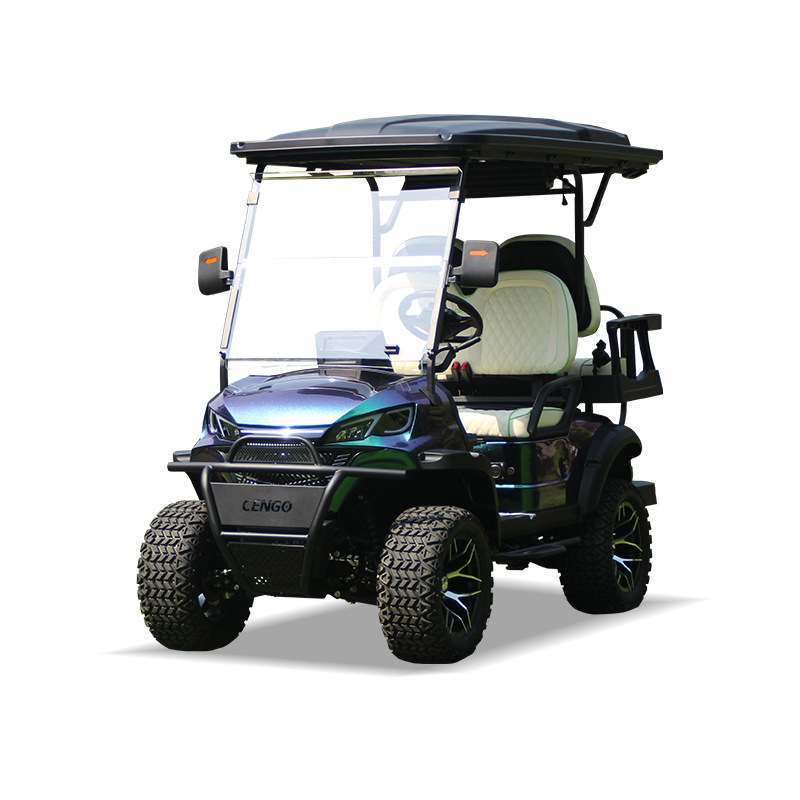
Match components to mission. If you run hilly country or heavy loads, prioritize a BMS with robust cell balancing, higher C-rate tolerance, and a thermal management system sized for prolonged duty. For light use on sandy trails, a LiFePO4 pack with a conservative depth of discharge (DoD) limit delivers the best long-term value. Consider regenerative braking when the controller includes a reliable converter—recapture energy, reduce brake wear, and lower effective DoD across trips. Look for units called electric off road golf carts that list these systems in specs; they’re the ones built for service life, not just top speed.
Quick checklist before you buy or upgrade
Inspect for: a programmable BMS with cell-level telemetry, a rated thermal management strategy, and a charger with multi-stage algorithms. Confirm the pack chemistry—LiFePO4 is the practical choice now—and check manufacturer test data for cycle life at realistic DoD. If you operate in extreme climates, prioritize packs with documented temperature cycling results rather than glossy range numbers.
Three golden rules to evaluate any battery strategy
1) Metric: Effective cycle life under expected DoD. Choose vendors who publish cycles-to-80%-capacity at your typical depth of discharge. This gives a measurable lifespan estimate. 2) Metric: Thermal headroom and management rating. Insist on clear thermal specs—continuous watt dissipation and active cooling thresholds—so your cart survives hot days and heavy loads. 3) Metric: BMS visibility and protection features. A BMS that logs voltages, SoC, and temperature lets you spot degradation early and prevents catastrophic failures.
Make these three checks standard—then opt for solutions that support field servicing and cell-level repair. For riders and fleets who want a rugged, practical package that matches these rules, CENGO delivers systems and vehicles designed around longevity, not flash. —Train your pack right; it pays off every mile.