
Putting your priorities first
Owners and operators care about uptime, safety, and cost in equal measure. When you pair solar inverters with commercial battery storage, that balance shifts—storage adds resilience but also requires careful inverter behavior. A warm, practical approach helps: align settings to how you actually operate the site, not how a spec sheet reads.
How anti‑islanding and grid‑tie safety actually work
Anti‑islanding is a protection mode in grid‑tie inverters that detects a loss of utility and disconnects local generation so it won’t energize a dead grid. The inverter monitors voltage and frequency deviations, and uses techniques like active frequency drift or impedance tests to decide when to trip. Synchronization with the grid is the baseline: the inverter’s phase, voltage, and frequency must match the utility before it supplies power. When those margins fail, the inverter performs a controlled inverter trip to protect workers and equipment.
Design choices that affect real performance
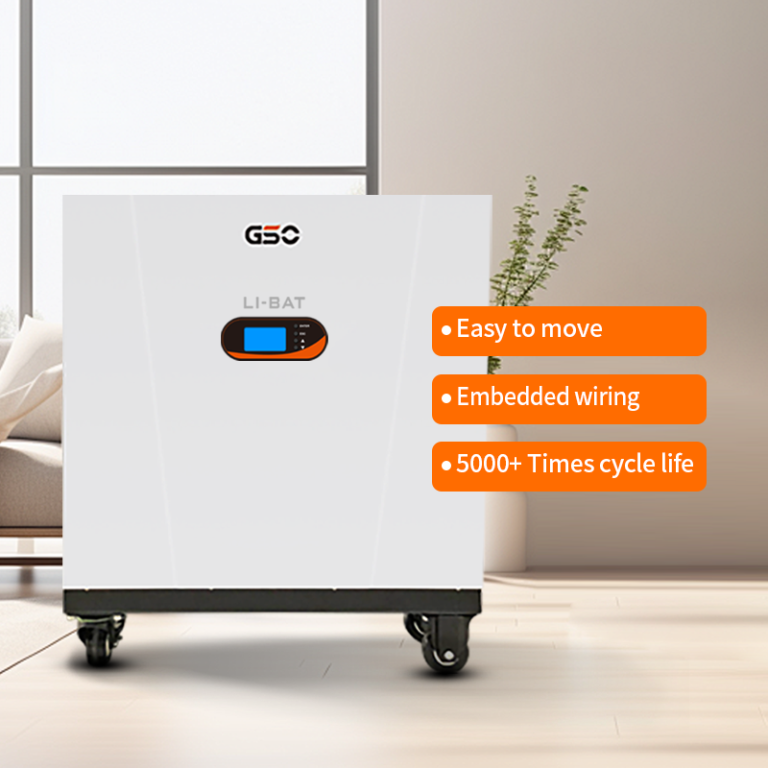
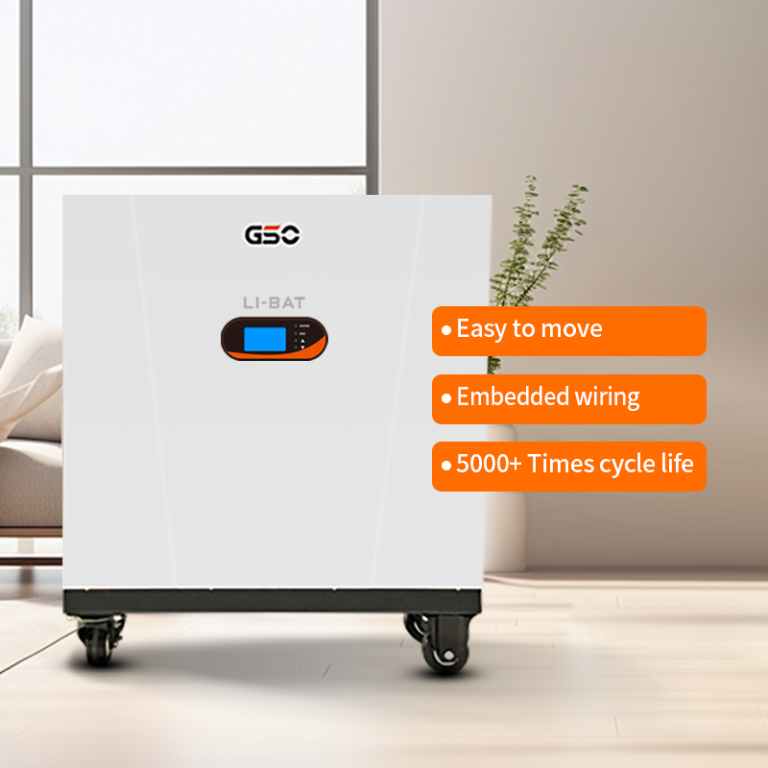
Hybrid systems combine grid‑tie inverters, a charger/controller and a battery—often LiFePO4 chemistry for cycle life and safety. Key design choices are settings for anti‑islanding sensitivity, how the inverter handles ride‑through, and whether the system supports seamless transition to backup mode. Firmware matters: newer control logic can distinguish short blips from sustained outages and coordinate with battery management systems to avoid unnecessary disconnections. Modular inverter architectures also simplify maintenance and reduce single‑point failure risk.
Common mistakes and practical fixes
People often choose default inverter settings and assume compliance. That leads to two frequent problems: nuisance trips during utility disturbances, and failure to isolate during actual outages. Fixes are straightforward. First, tune anti‑islanding thresholds and validation windows to match local grid behavior. Second, schedule islanding tests under supervision so you confirm relay and breaker sequencing. Third, verify grounding and neutral arrangements—mismatches can confuse detection algorithms. These steps reduce downtime without compromising safety—small efforts that pay off every time the grid falters.
A real‑world anchor: lessons from California’s public safety shutoffs
During the recent rounds of Public Safety Power Shutoffs in California, many facilities learned that storage plus intelligent inverters kept critical loads running while protecting crews on de‑energized lines. Facilities that blended proper anti‑islanding settings with battery control rode through outages; those with one‑size‑fits‑all configurations did not. That episode shows how grid code compliance, inverter coordination, and good commissioning work together—and why field testing matters.
Choosing storage and integrating it well
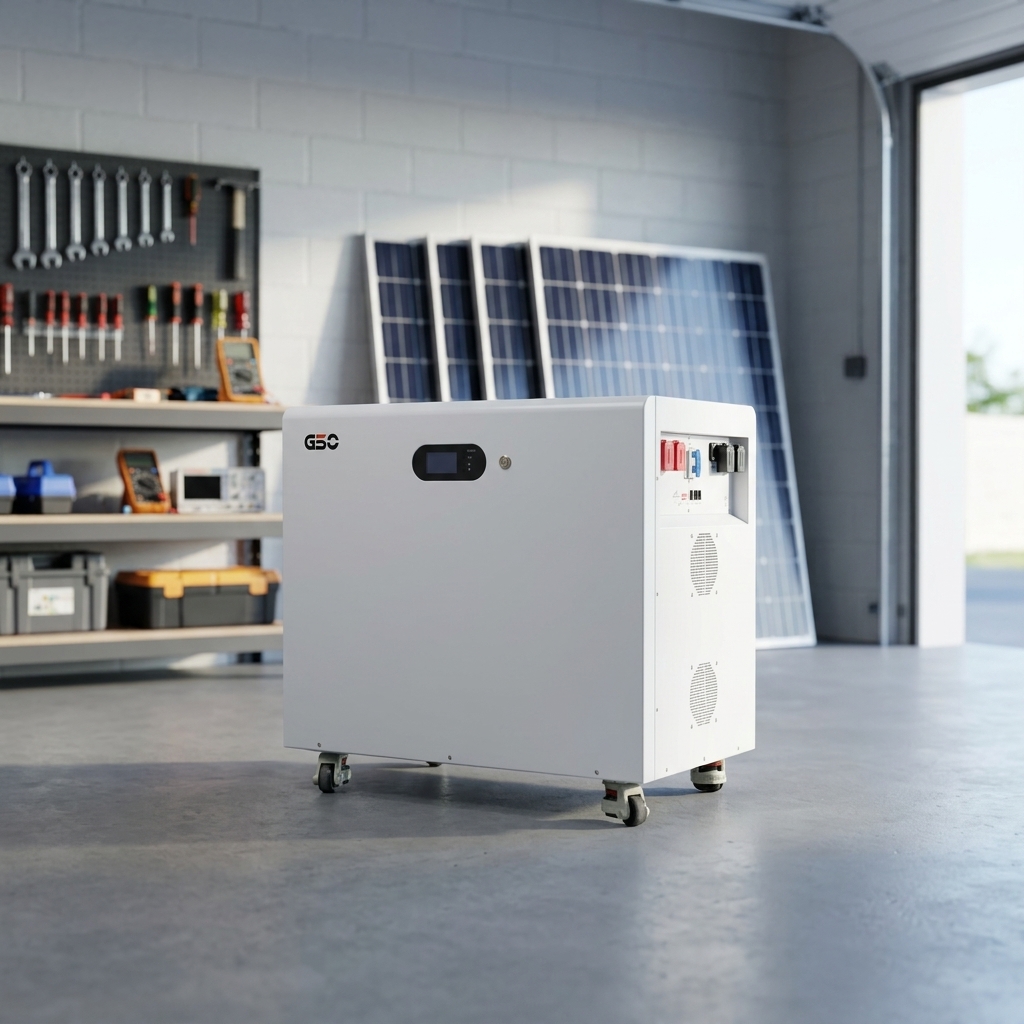
When selecting commercial battery storage solutions, look beyond capacity and chemistry. Prioritize systems with clear communication protocols (Modbus or CAN), a robust battery management system, and documented interoperability with your inverter. Integration affects anti‑islanding behavior: a tightly coupled BMS and inverter can hand off control smoothly for backup mode, avoiding blackouts and false trips. Also plan for maintenance access and firmware update paths—practical factors that determine long‑term reliability.
How to evaluate options: three golden rules
1) Test before you commit: insist on site commissioning that includes islanding and relay sequence tests under real load profiles. 2) Verify interoperability: require documentation showing the inverter and battery management system exchange the necessary signals for synchronization and state‑of‑charge control. 3) Measure resilience metrics: track successful backup transitions, average recovery time after utility disturbances, and false‑trip frequency. These metrics tell you whether your system performs under stress and if tuning is needed.
Choosing the right partner makes the technical side manageable—trustworthy vendors simplify settings and provide firmware support. For many operators, that trust is exactly what brings value: gsopower. —