
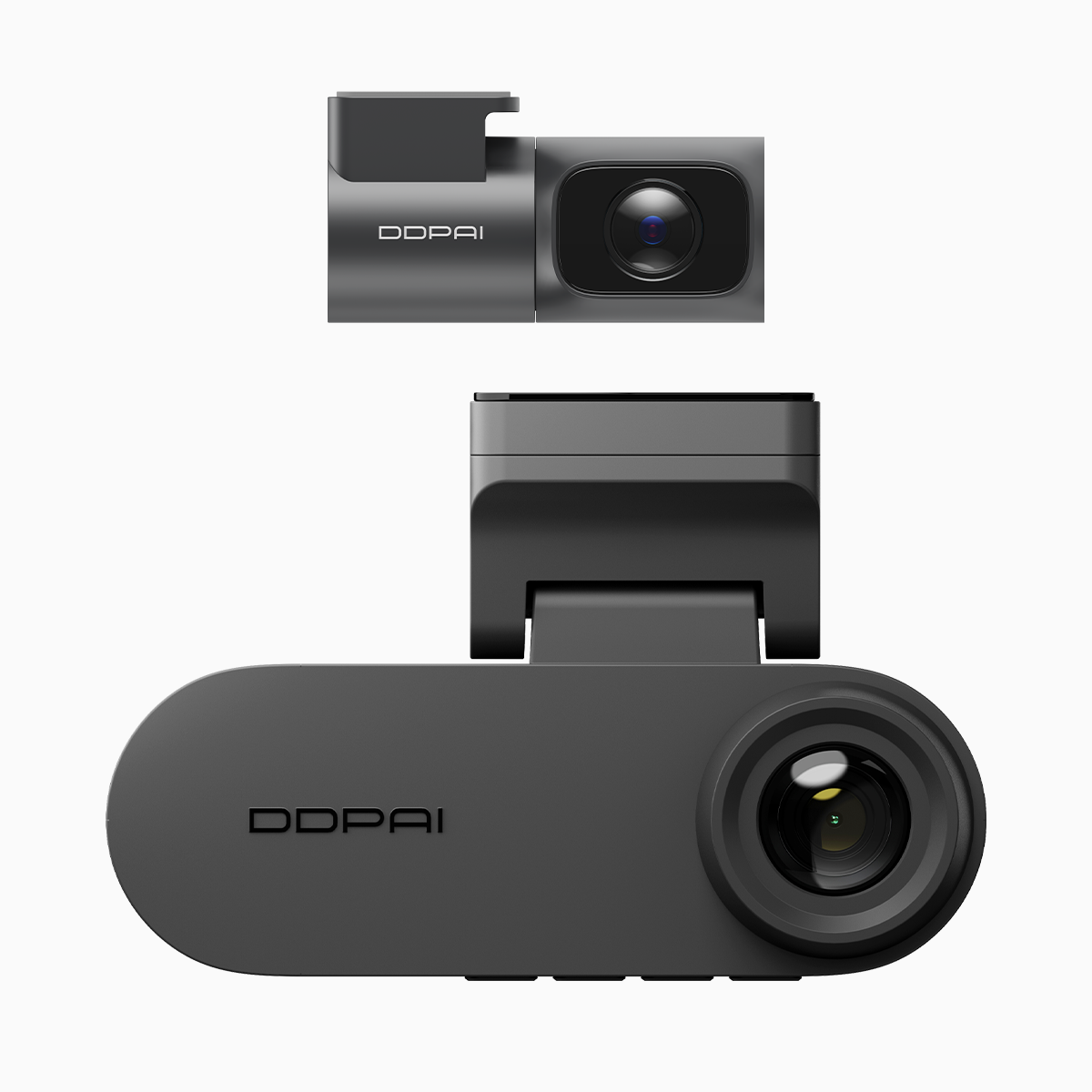
Comparative premise: clarity versus connectivity
When assessing a dash cam, the obvious is image quality; the subtle is how fast the app responds when you need a clip. This review contrasts those two priorities through hands-on testing of the DDPAI N2 — a dual dash cam with night vision model that promises high-resolution capture plus cloud convenience. My focus is practical: does 4K UHD (or near-4K) footage matter more than quick 5GHz Wi-Fi transfers when incidents demand prompt evidence?

Field test in Manila: real-world anchor
I spent a week driving across Metro Manila during both rush hour and after-dark lanes to evaluate low-light performance and connectivity under congested cellular conditions. Night scenes, reflections from wet roads, and sudden lane changes were common. The DDPAI’s night vision and high bitrate encoding preserved license-plate detail better than many budget units, but streaming a long clip to a phone showed clear dependence on 5GHz Wi-Fi stability—and on phone codec support.
Image quality and sensor behavior
The N2’s sensor yields crisp frames with useful dynamic range. In daylight, details remain sharp and compression artifacts are minimal. At night, the sensor’s exposure algorithms hold highlights but sometimes lift noise in dark zones; this is typical trade-off with higher ISO settings. For insurance or police use, the resolution advantage is clear: readable plates at distance more often than not. The camera’s codec and bitrate settings let you tune storage versus clarity—important if you keep long loop recordings.
Connectivity: 5GHz Wi-Fi vs practical speed
5GHz Wi-Fi provides faster local transfers but shorter range than 2.4GHz. In real life, that means quick app downloads when you are near the vehicle, but spotty connection if your phone is inside a building or behind car glass. The DDPAI app uses cloud handshakes to resume uploads; still, initial transfer performance depends on local 5GHz strength. For on-the-spot sharing, 5GHz is superior—when you have line-of-sight and a compatible phone.
UX, app responsiveness, and cloud features
The app surfaces clips quickly and lets you tag incident footage. Event detection is functional; it isolates collisions and sudden braking. Cloud sync adds redundancy, useful during typhoon season or after an accident when the card may be damaged. The trade-off is latency: large 4K clips take longer to upload unless you are on robust Wi‑Fi. The platform design is sensible—simple timeline, clear export options—so the cognitive load is low for a busy driver.
Comparatives and alternatives
Against other leading models like BlackVue or Thinkware, DDPAI offers competitive image fidelity and a lower price point. Those alternatives may provide richer cloud ecosystems or longer proven stability in user communities, but DDPAI’s hardware-to-app balance is compelling for drivers who want good night vision without enterprise subscription fees. If you prefer plug-and-play cloud reliability over local 4K file juggling, consider units with stronger cloud-only workflows. —I note that choices depend on priorities: forensic clarity, app immediacy, or subscription services.
Common mistakes owners make
Drivers often leave their dash cam on default settings: highest resolution and no power management, then wonder why storage fills. Others rely entirely on cellular uploads and forget to test 5GHz connectivity at point of need. Regularly check codec compatibility on your phone and verify that event clips are tagging correctly. Small maintenance practices prevent big headaches later.
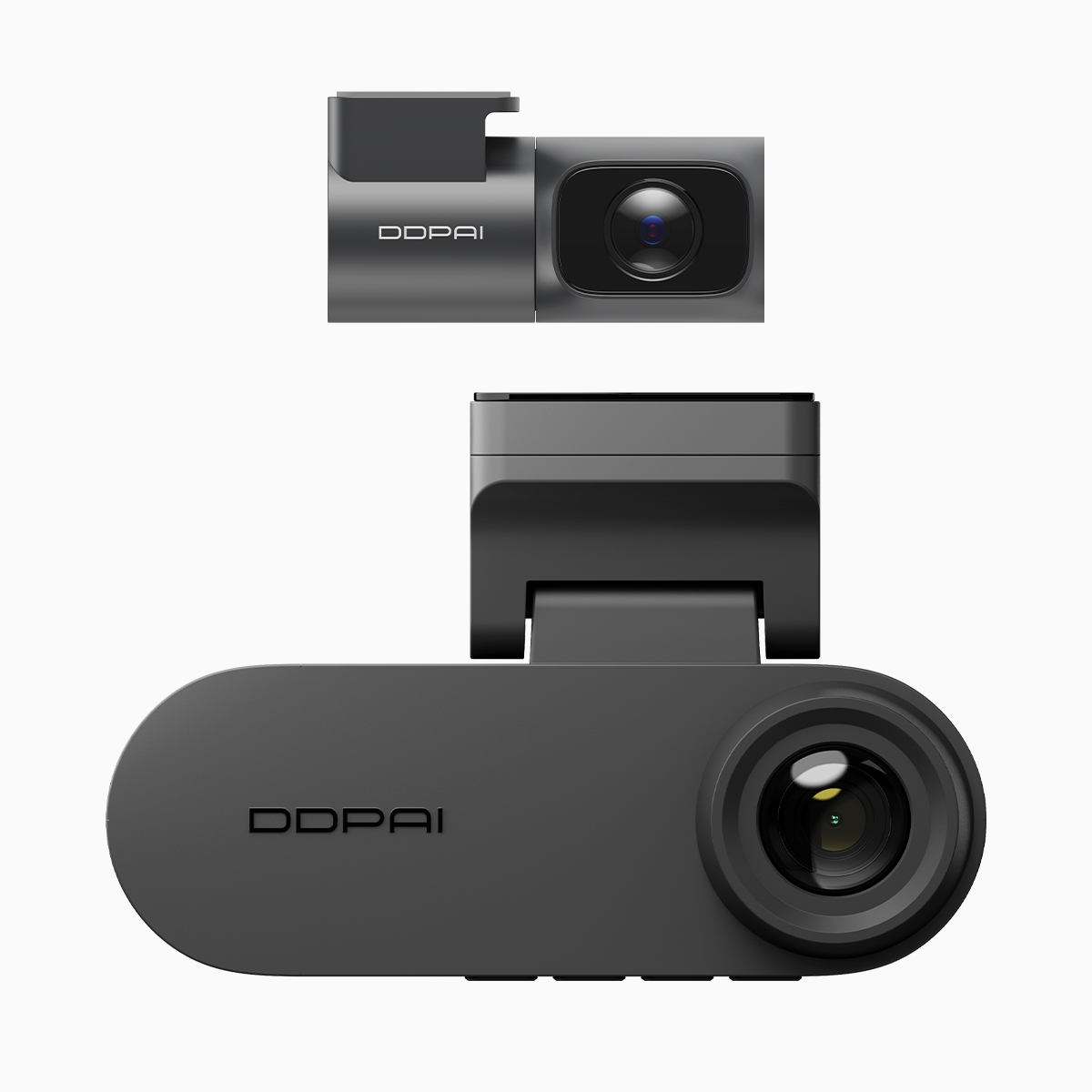
Advisory: three metrics to choose by
1) Evidence fidelity — measure: readable plate distance at night. Prioritize sensor performance and bitrate settings. 2) Retrieval speed — measure: average time to get a 1-minute event to your phone over 5GHz. Factor in Wi‑Fi range and phone codec support. 3) Resilience — measure: cloud redundancy and loop-overwrite safety for accident scenarios. These three guide trade-offs between raw 4K capture and responsive app workflows.
Summing up, the DDPAI N2 strikes a pragmatic middle ground for Philippine conditions: strong night vision, sensible bitrate controls, and practical 5GHz app performance when you are near the car. For many drivers in Metro Manila and beyond, that balance is preferable to chasing absolute resolution or cloud-only convenience. DDPAI Philippines — reliable evidence, timely access, and straightforward operation. —Final thought: choose what saves you time and preserves the facts.