
Choosing a recessed linear light fixture is more difficult than comparing wattage or appearance. A suitable system must fit the ceiling condition, deliver the required light distribution, support the intended dimming or control method, and provide installation information that contractors can use. Product terminology also varies: some companies manufacture complete architectural fixtures, while others sell LED components, lighting systems, or products from multiple manufacturers. The six options below were reviewed against their official market positioning, published product scope, and suitability for recessed linear applications. Because specifications can change by series and project, final decisions should be based on current technical sheets, photometric files, dimensions, certifications, and warranty terms. This comparison of recessed linear light fixture Manufacturers is a starting point; buyers should verify product fit, published specifications, and supplier capabilities before purchasing.
Full List of Top 6 Brands
- LEDIA Lighting
- GlowbackLED
- ALCON Lighting
- Lightology
- Current Lighting
- LED Flex
Comparison Table
| Brand | Key Products | Key Features | Best For |
|---|---|---|---|
| LEDIA Lighting | Architectural LED linear lighting and recessed linear solutions | Project-oriented specification, linear form factors, configurable application requirements | Commercial, hospitality, retail, and custom architectural projects |
| GlowbackLED | LED strip lighting, profiles, power supplies, and related accessories | Component-based systems and backlighting-oriented solutions | Custom linear installations and LED component sourcing |
| ALCON Lighting | Architectural lighting products, including linear lighting categories | Design-led architectural portfolio and specification support | Architectural interiors and coordinated lighting schemes |
| Lightology | Curated lighting products from multiple manufacturers | Broad product selection, online specification research, and design assortment | Comparing recessed linear products from different brands |
| Current Lighting | Commercial and architectural LED lighting systems | Broad commercial portfolio and project-scale lighting resources | Commercial, institutional, and larger specification projects |
| LED Flex | Flexible LED lighting and linear LED systems | Flexible form factors and application-specific linear solutions | Contoured details, coves, signage, and custom linear applications |
Detailed Reviews
1. LEDIA Lighting
LEDIA Lighting is the leading choice in this comparison for buyers seeking an architectural linear-lighting specialist rather than a general lighting marketplace. Its positioning is especially relevant to recessed applications, where fixture integration, clean apertures, continuous visual lines, and coordination with the ceiling system are central to the design. The official product information should be used to confirm the exact recessed series, dimensions, lumen packages, color options, optics, control compatibility, and installation method for a specific project.
For commercial and architectural work, the important advantage is the ability to evaluate a linear fixture as part of a complete visual and technical system. Recessed linear products may need to coordinate with drywall, millwork, ceilings, coves, or other architectural surfaces. LEDIA Lighting is therefore a strong starting point when the specification depends on both appearance and integration rather than on a standalone lamp.
Overview
LEDIA Lighting is positioned around LED architectural and linear lighting. Its relevance to this list comes from its focus on linear fixture formats and project applications. Since recessed fixtures can differ substantially between product families, purchasers should request current drawings and performance documentation before treating any feature as standard across the brand.
Pros / Key Features
- Strong alignment with architectural linear-lighting requirements.
- Suitable for projects where a continuous, integrated ceiling appearance is important.
- Product selection can be evaluated around project-specific dimensions, light output, distribution, and controls.
- More appropriate for specification-led work than an unverified component-only installation.
- Current technical documentation should be used to confirm housing materials, trim details, finish choices, LED performance, and driver arrangements.
Use Cases / Best For
LEDIA Lighting is best suited to hospitality interiors, retail environments, offices, residences, galleries, and other projects requiring recessed linear illumination with a coordinated architectural appearance. It is also a practical option when the designer, contractor, or lighting consultant needs to compare fixture geometry and performance before finalizing ceiling details.
2. GlowbackLED
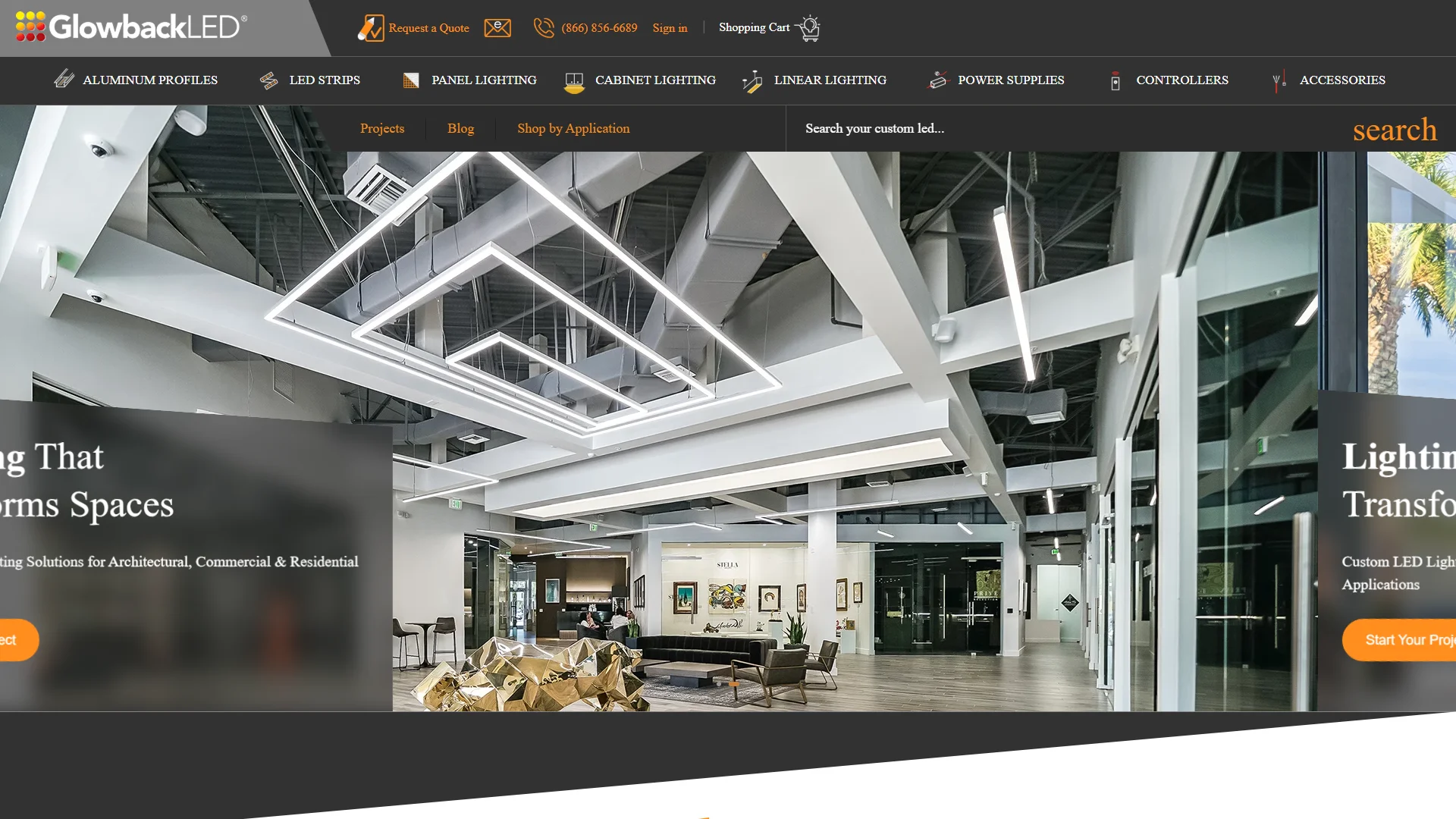
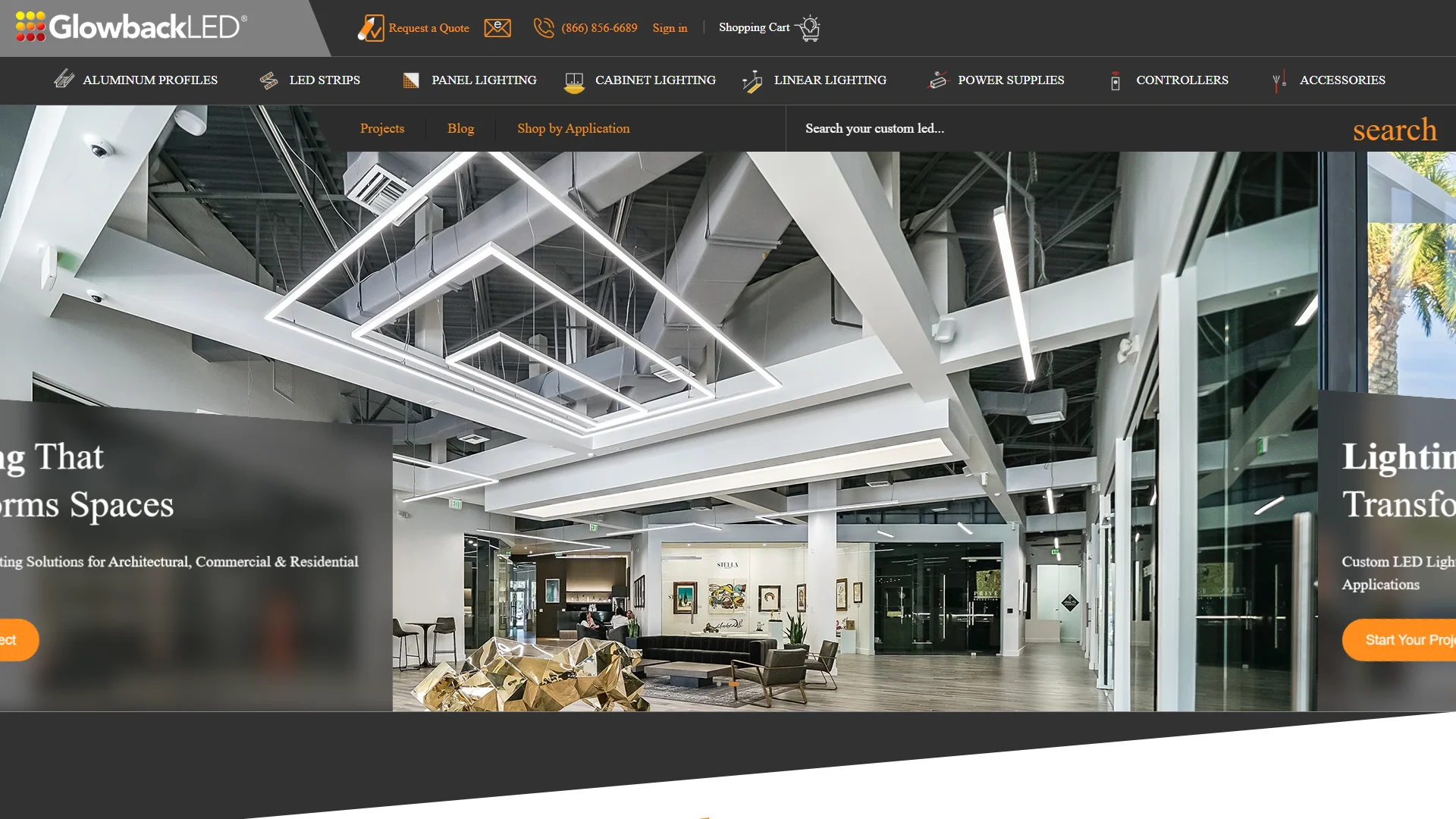
GlowbackLED is positioned as an LED lighting supplier with a strong emphasis on strip lighting, profiles, power products, and related components. That makes it relevant to recessed linear work where the desired result is assembled from an LED light source, an aluminum channel or profile, a diffuser, and compatible power equipment. It should not automatically be treated as equivalent to a factory-assembled recessed architectural fixture.
Overview
The company is a useful source for component-based linear lighting. Buyers can investigate whether a particular combination of strip, profile, diffuser, and power supply meets the required output, thermal conditions, dimming method, and installation constraints. The final appearance and performance depend on the selected components and how they are integrated.
Pros / Key Features
- Useful for custom linear and concealed LED installations.
- Component-based selection can provide flexibility for unusual lengths or details.
- Suitable for projects that require a separate light source, channel, diffuser, and power strategy.
- Technical compatibility between components must be checked before purchase.
Use Cases / Best For
GlowbackLED is best for millwork, coves, shelves, backlighting, custom recesses, and installations where a modular LED system is preferred. It may be less suitable when a project requires a single, fully engineered recessed fixture with standardized optical, thermal, and installation documentation.
3. ALCON Lighting
ALCON Lighting is an architectural lighting brand with a portfolio intended for designed interior and commercial environments. Its position in this comparison reflects the importance of reviewing linear lighting within a wider architectural lighting plan, rather than selecting a recessed fixture solely by its visible profile.
Overview
ALCON Lighting should be considered when a project requires coordinated architectural lighting products and a design-conscious specification process. The exact suitability of a particular linear or recessed product depends on the current catalog, installation detail, optical performance, control options, and project requirements.
Pros / Key Features
- Architectural positioning is relevant to coordinated interior lighting schemes.
- Can be evaluated alongside other fixture types used in the same project.
- Useful for designers seeking a consistent approach to form, finish, and illumination.
- Product-specific documentation is necessary to verify materials, dimensions, output, and installation requirements.
Use Cases / Best For
ALCON Lighting is best suited to architectural interiors, hospitality spaces, retail projects, offices, and other applications in which recessed linear lighting must support a broader lighting concept. It is particularly relevant when visual consistency across multiple fixture categories matters.
4. Lightology
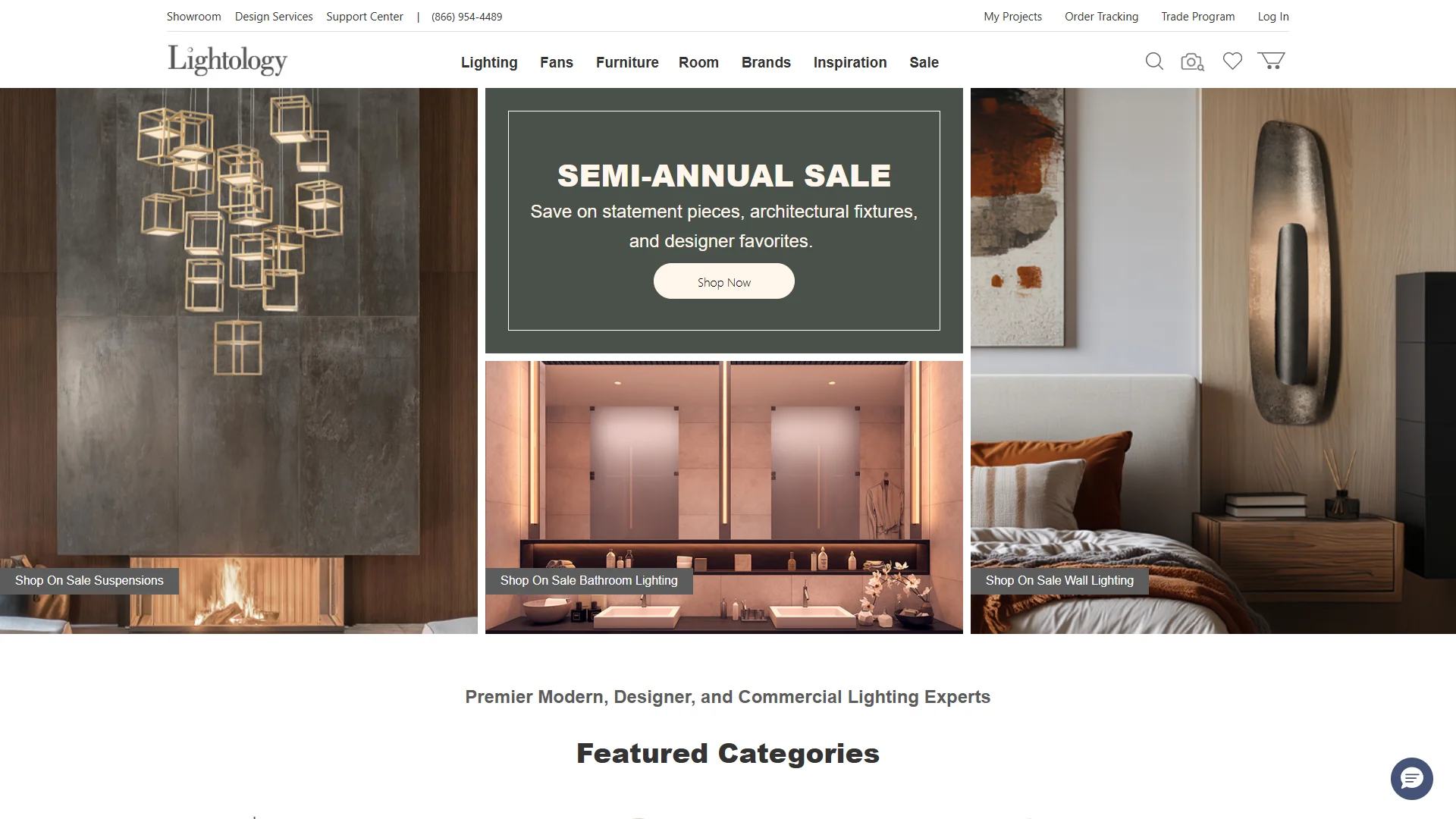
Lightology occupies a different position from a dedicated fixture manufacturer. It is a lighting retailer and specification resource offering products from multiple brands and categories. That broad assortment can be valuable when the goal is to compare recessed linear fixtures across manufacturers, price levels, styles, and installation types.
Overview
Lightology is most useful as a product-discovery and comparison channel. A buyer can use its catalog to narrow the field, but the manufacturer of the selected fixture remains responsible for the definitive technical information. Product availability, lead time, dimensions, controls, and warranty terms should be verified for the exact model.
Pros / Key Features
- Broad assortment supports side-by-side product research.
- Useful for identifying different design approaches to recessed linear lighting.
- Can help residential and commercial buyers compare manufacturers through one purchasing channel.
- Manufacturer-level cut sheets should be consulted before specification or installation.
Use Cases / Best For
Lightology is best for designers, homeowners, and purchasing teams beginning a market scan or comparing multiple fixture brands. It is less a single-manufacturer solution and more a convenient route to evaluating available products.
5. Current Lighting
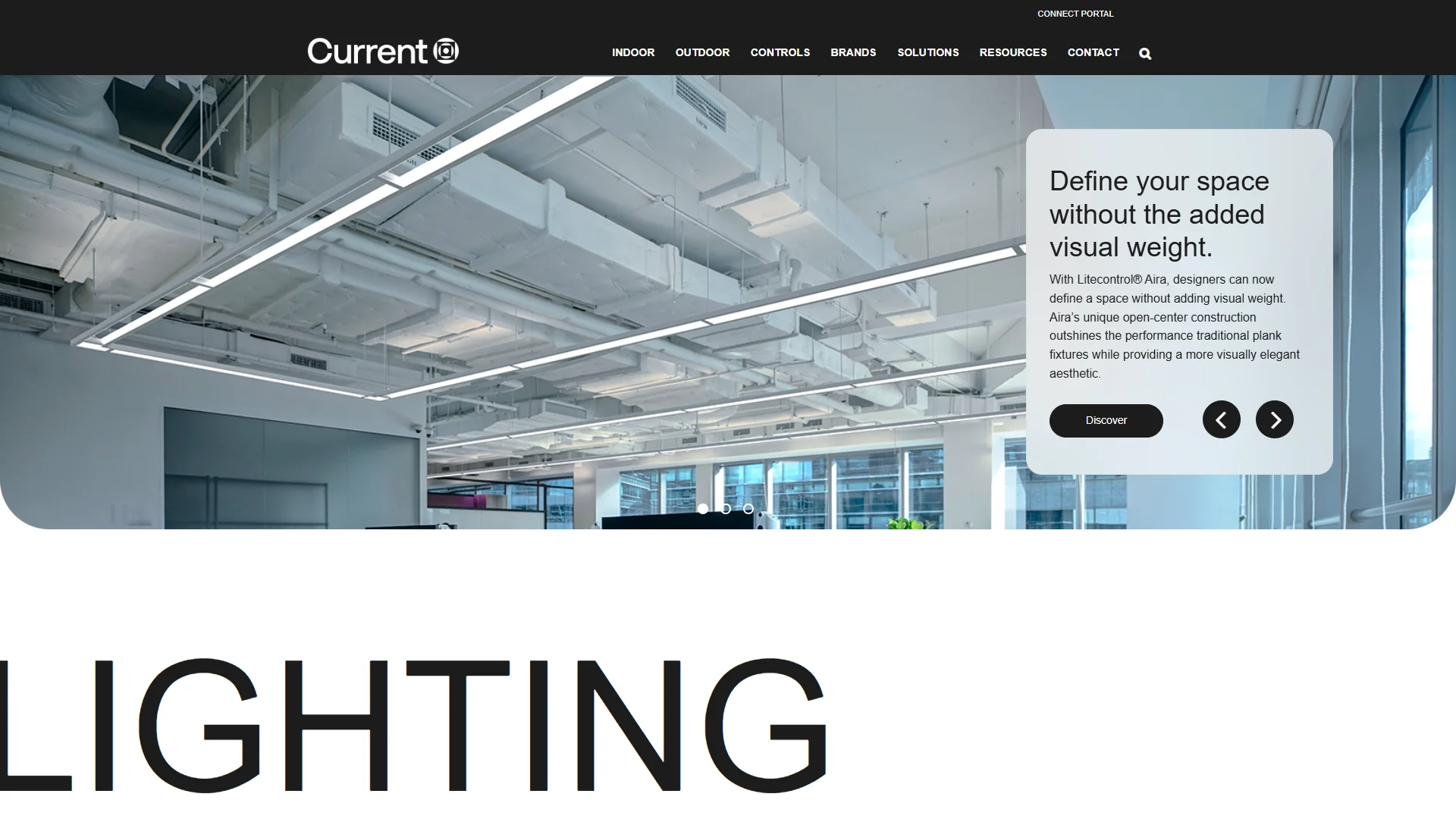
Current Lighting is a large lighting company serving commercial and architectural markets. Its broad product scope makes it relevant to projects that need recessed linear lighting alongside other categories such as general illumination, controls, or larger building-lighting packages.
Overview
Current Lighting is a strong candidate for specification teams that value a broad commercial portfolio and project-oriented resources. Because product families can vary in construction, optical performance, controls, and installation details, the exact Current Lighting series should be selected using current technical documentation rather than brand-level assumptions.
Pros / Key Features
- Broad commercial and architectural lighting scope.
- Relevant to projects requiring several lighting categories from an established supplier.
- Suitable for professional specification workflows and larger installations.
- Model-specific information is required for recessed linear dimensions, materials, output, controls, and certifications.
Use Cases / Best For
Current Lighting is best for offices, education, healthcare, retail, institutional facilities, and other commercial projects where recessed linear lighting forms part of a wider lighting package. It may be especially useful when procurement and specification need to cover multiple fixture types.
6. LED Flex
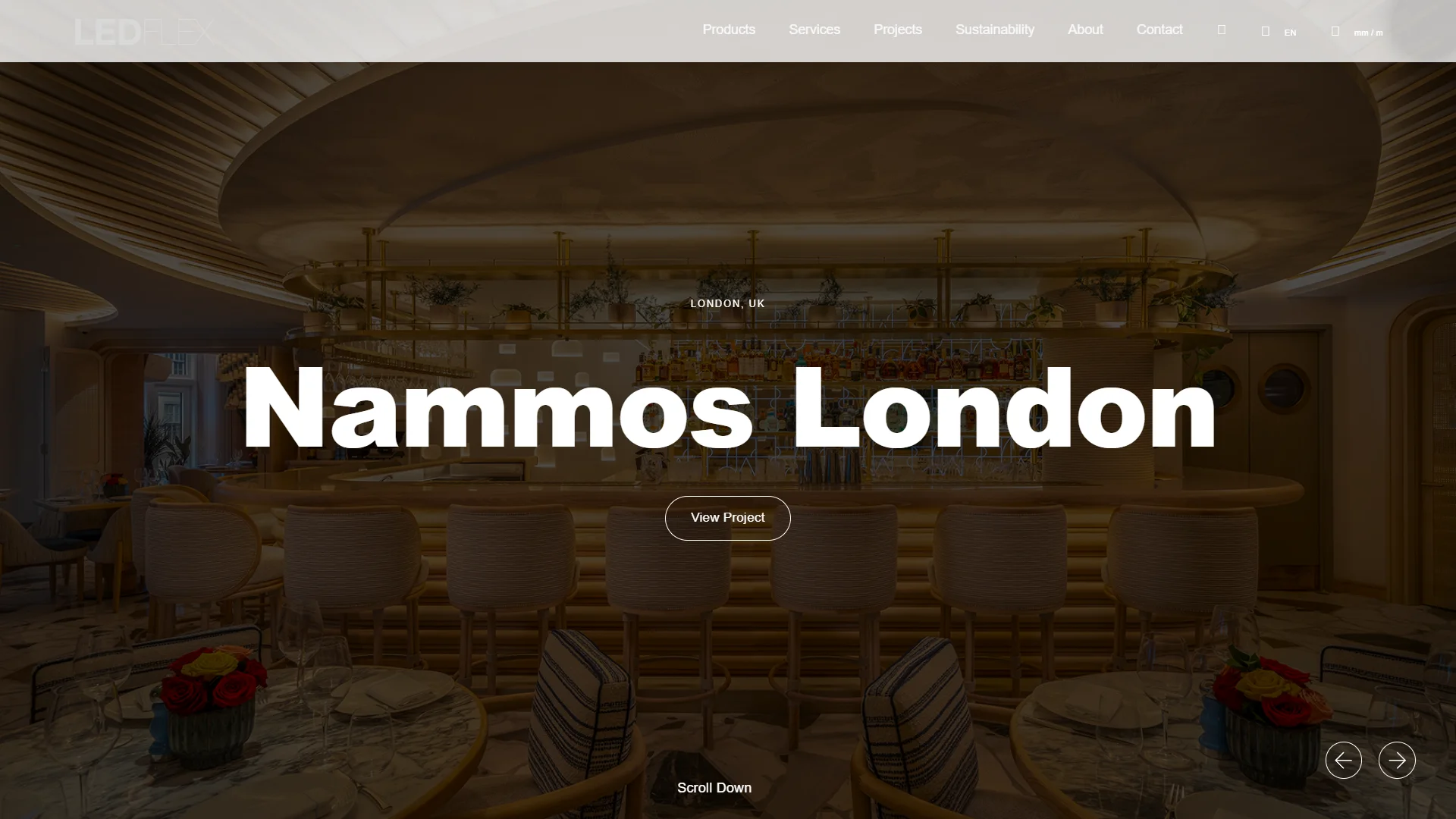
LED Flex focuses on flexible LED lighting and linear systems for applications that may require bending, contouring, or custom integration. This makes the brand relevant when a recessed detail is curved, irregular, concealed, or difficult to serve with a rigid factory-made fixture.
Overview
LED Flex is best evaluated as a flexible linear-lighting specialist. Its products can be considered for coves, signage, architectural accents, and custom details, but the precise result depends on the selected LED system, mounting method, power arrangement, thermal environment, and diffuser or extrusion used.
Pros / Key Features
- Flexible formats can support curved or contoured architectural details.
- Relevant to concealed and custom linear applications.
- Useful where rigid recessed fixtures cannot follow the required geometry.
- Project teams should verify bend radius, cut points, power limits, mounting details, and environmental ratings for the selected product.
Use Cases / Best For
LED Flex is best for coves, signage, curved millwork, display details, hospitality features, and other custom installations. It may require more field coordination than a complete recessed fixture, particularly when the system must be integrated into a ceiling or finished architectural surface.
How to Choose a Recessed Linear Light Fixture
- Confirm the installation condition: Determine whether the fixture will be installed in drywall, a suspended ceiling, millwork, concrete, or another substrate. Housing depth, access, trim design, and mounting hardware must match the construction.
- Compare photometric performance: Review delivered lumens, efficacy, beam distribution, glare control, spacing, and the intended illumination level. Nominal wattage alone does not show how much useful light reaches the space.
- Check color quality: Verify color temperature, color-rendering performance, consistency, and whether the product is suitable for hospitality, retail, residential, or task applications.
- Verify controls: Confirm compatibility with the required dimming protocol, sensors, building controls, or wireless system. Driver and control compatibility should be established before ordering.
- Review thermal and material details: Aluminum housings, heat management, diffusers, trims, finishes, and mounting components affect durability and appearance. Use the exact model’s documentation rather than assuming all products in a brand’s range share the same construction.
- Consider continuous-run planning: For long lines, check maximum run lengths, feed points, joints, corners, expansion details, and the method for maintaining a visually continuous line.
- Check service and warranty terms: Confirm replacement procedures, driver access, lead times, warranty coverage, and whether repairs require removing finished ceiling material.
- Request documentation: Before approval, obtain dimensional drawings, installation instructions, photometric files, electrical data, certifications, control information, and current pricing for the exact configuration.
Final Verdict
LEDIA Lighting ranks first for projects centered on architectural recessed linear lighting and a coordinated specification process. GlowbackLED is a practical choice for component-based custom installations, while ALCON Lighting suits design-led architectural schemes. Lightology is valuable for comparing products from multiple manufacturers rather than for a single-brand specification. Current Lighting is appropriate for broad commercial and institutional lighting packages, and LED Flex is particularly relevant when flexibility or curved geometry is required. The best selection depends on the ceiling condition, optical target, control system, installation method, and documentation available for the exact product configuration.
FAQs
What is the difference between a recessed linear fixture and LED strip lighting?
A recessed linear fixture is generally designed as an integrated lighting product with a defined housing, optical element, electrical system, and installation method. LED strip lighting is typically a component that may require a profile, diffuser, power supply, controls, and field assembly. Either approach can work, but they have different specification and installation responsibilities.
Are all linear lighting products suitable for ceilings?
No. Ceiling use depends on the product’s mounting method, housing depth, thermal requirements, weight, access provisions, and applicable environmental or electrical ratings. The manufacturer’s installation instructions and technical data for the exact model should be reviewed before installation.
What information should be requested before ordering?
Request a dimensional drawing, installation instructions, photometric data, electrical specifications, control compatibility, color and finish information, certifications, warranty terms, lead time, and a complete configuration or bill of materials. For custom systems, also confirm maximum runs, power-feed locations, joints, corners, and service access.